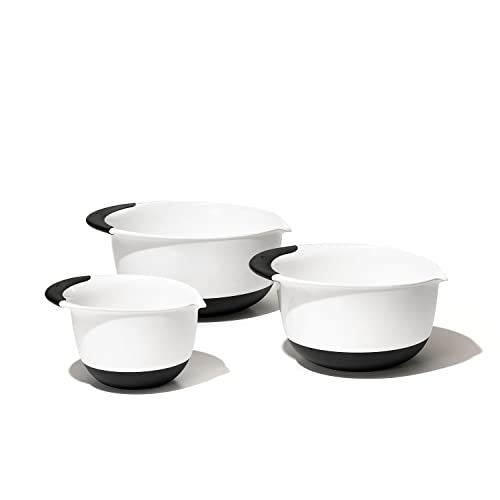
Stainless steel bowls are the safest and most durable choice for KitchenAid mixers.
- Always verify bowl size and fit with your specific mixer model before use.
- Glass and ceramic bowls are safe if they fit and are handled carefully.
- Avoid oversized or ill-fitting bowls to prevent spills and mixer damage.
What to Look for in a KitchenAid Mixer Bowl
The bowl must fit the mixer's base and be compatible with the attachment hub. KitchenAid mixers typically use bowls with a specific twist-to-lock mechanism. Check the bowl's diameter and height against your mixer model. Material matters: stainless steel is durable and lightweight, while glass is heavy but see-through. Plastic bowls are lighter but may scratch or stain. Avoid bowls with a wide lip that can catch the beater or splash guard.
Best Materials for KitchenAid Mixer Bowls
Stainless steel is the most common and safe material for KitchenAid mixers. It is durable, non-reactive, and dishwasher safe. Glass bowls are also safe if they fit, but they are heavier and can break if dropped. Ceramic bowls are attractive but may chip or crack under the mixer's vibration. Plastic bowls are lightweight and affordable, but they can absorb odors and may not be heat resistant. For most baking, stainless steel is the best choice.
How to Check if a Bowl Fits Your KitchenAid Model
First, measure the bowl's base diameter and compare it to your mixer's bowl well. KitchenAid mixers have a specific bowl size range, usually 4.5 to 5 quarts for standard models. For tilt-head mixers, the bowl must fit under the head when tilted. For bowl-lift models, the bowl sits on a platform and locks into place. Check the bowl's bottom for a notch or ridge that matches the mixer's drive socket.
Best Mixing Bowls for Different KitchenAid Uses
For everyday baking, a stainless steel bowl with a handle is convenient. The handle provides a grip when pouring. For large batches, consider a 6-quart bowl if your mixer supports it. For small tasks like whipping eggs, a smaller 3-quart bowl may be easier. Some KitchenAid models come with a pouring shield, which requires a bowl with a matching rim.
Safety Tips for Using Non-Standard Bowls
Never use a bowl that is too large for the mixer, as it can tip over. Avoid bowls with a non-stick coating that may scratch. Do not use metal bowls in the microwave, even if they are stainless steel. Glass bowls can shatter if they have chips or cracks. Always place the bowl securely on the mixer base before starting.