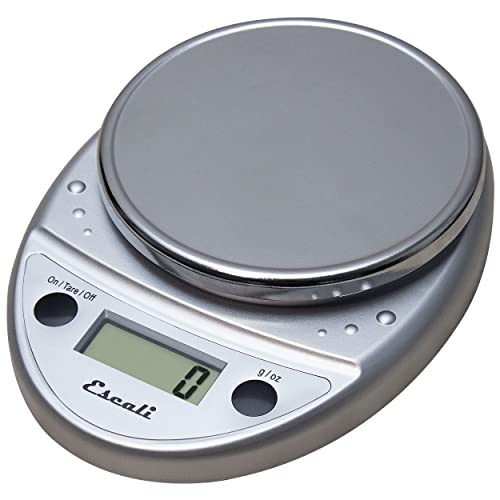
Digital scales with 1-gram resolution offer the best accuracy for most kitchen tasks.
- Calibration and a stable surface are essential for consistent readings.
- For specialized uses like coffee, a 0.1-gram scale is worth the extra cost.
What Makes a Kitchen Scale Accurate?
Accuracy hinges on the load cell, the sensor that measures weight. High-quality load cells drift less and respond faster. Resolution matters too; a scale with 1-gram increments beats one with 5-gram steps. Calibration ensures the scale reads zero correctly. Many digital scales auto-calibrate on startup. Temperature changes can affect readings, so keep the scale away from heat. A flat, stable surface is non-negotiable for consistent results.
Digital vs. Analog: Which Is More Accurate?
Digital scales win on accuracy because they use electronic sensors. Analog scales rely on springs that stretch and lose precision over time. Digital models display exact numbers, eliminating guesswork. Most digital scales have a tare function, which subtracts container weight. Analog scales rarely offer tare. For baking or portioning, digital is the clear choice. Even budget digitals outperform high-end analogs.
Best Kitchen Scales for Different Uses
For baking, a scale with 1-gram resolution and a capacity around 5 kilograms is ideal. The Ozeri Pronto offers 1-gram accuracy and a slim design. Coffee enthusiasts need 0.1-gram resolution for precise bean dosing. The AWS Blade is a top pick for that. For large batches, a scale with a 10-kilogram capacity like the Escali Primo handles heavy bowls. Portion control benefits from a scale with a large display and tare function.
How to Test and Maintain Accuracy
Place the scale on a hard, level surface; carpet ruins readings. Use the calibration function if available; some scales include a calibration weight. Check zero before each use. Clean the scale with a damp cloth, avoiding water ingress. Batteries affect performance; replace them when readings fluctuate. Owners report that digital scales stay accurate for years with proper care.
Common Accuracy Pitfalls and Edge Cases
Uneven surfaces cause off-center errors. Weighing small items under 5 grams can be unreliable on 1-gram scales. Extreme temperatures can expand the load cell, shifting readings. Electromagnetic interference from appliances may cause drift. For micro-accuracy, a jeweler's scale with 0.01-gram resolution is better. But for kitchen use, 1-gram precision suffices for most recipes.