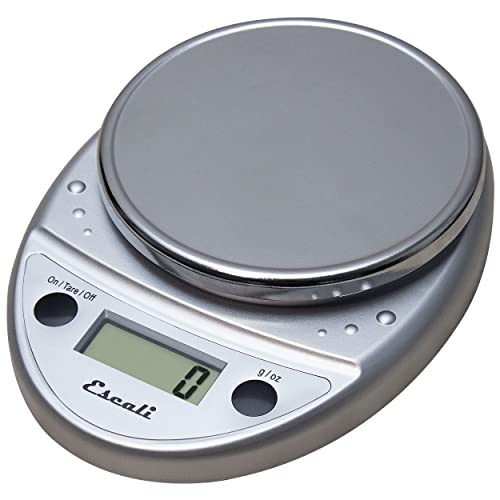
Replace the battery first when you notice drift.
- Use a hard, flat surface and avoid air drafts.
- If drift persists after fixes, replace the scale.
Why does my kitchen scale keep drifting?
Drifting happens when the displayed weight changes without you touching the scale. The most common cause is a weak battery, which causes voltage fluctuations. Uneven or soft surfaces, like a towel, can also cause instability. Air currents from fans or open windows push on the sensor. Temperature changes affect the internal components. Finally, a damaged load cell from drops or overloads can cause permanent drift.
How to fix a drifting kitchen scale
Start by replacing the battery with a fresh one, as low power is the top culprit. Place the scale on a hard, level surface, like a granite countertop or a wooden cutting board. Turn off nearby fans, heaters, or air conditioning vents. Wait for the scale to warm up for a minute if it was cold. Calibrate the scale using a known weight, like a dumbbell or a bag of flour, if it has a calibration mode. Clean the scale's feet and the surface underneath with a dry cloth. If the scale has a tare function, press tare to reset it to zero before each use. For digital scales, press the on/off button to reset the electronics. If drift persists after all these steps, the sensor is likely faulty.
How to prevent kitchen scale drift
Store the scale in a dry, room-temperature place, away from heat and humidity. Keep it on a dedicated flat spot, not on a shelf where it can get knocked. Avoid placing heavy objects on top of the scale when not in use. Use the scale on the same surface every time to maintain consistency. Check the battery every few months and replace it proactively. Clean the scale regularly with a damp cloth, but never submerge it. Let the scale acclimate to room temperature before using it after being in a cold pantry.
When should you replace your kitchen scale?
If you've tried new batteries, recalibration, and a stable surface, and it still drifts, it's likely time for a new scale. A load cell that's been damaged by a drop or overload won't recover. If the scale gives inconsistent readings even after resetting, the internal electronics are failing. Check if the scale is under warranty; some brands offer replacements. If the scale is more than five years old, replacement is often more cost-effective than repair. Look for a new scale with a high precision sensor and a sturdy platform.