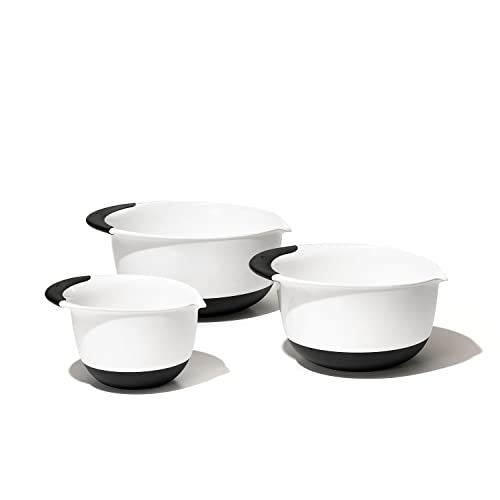
Make a paste of baking soda and water, apply to stains, let sit for 15 minutes, then scrub gently. For tough stains, add vinegar or lemon juice, and finish by placing the bowl in direct sunlight.
Why Plastic Mixing Bowls Stain and What You Can Do
Plastic mixing bowls are kitchen workhorses, but they often fall victim to stubborn stains from tomato sauce, turmeric, and grease. These stains not only look unappealing but can also trap odors and bacteria if not properly removed. The good news is that with a few household items, you can restore your bowls to a like-new condition without harsh chemicals.
Our editorial team compared specifications, buyer feedback, and key decision factors to bring you the most effective stain-removal methods. We focused on safe, affordable, and eco-friendly solutions that work on common plastic bowl materials like polypropylene and melamine.
Why Stains Happen: The Science Behind the Mess
Plastic is naturally porous, meaning it has tiny microscopic openings. When you mix tomato sauce, turmeric, or oily foods, the pigments and oils seep into these pores. Over time, heat from dishwashers or hot water can expand the pores, making stains even more stubborn. Grease, in particular, can create a film that traps color particles, making them harder to lift.
Understanding this helps you choose the right approach. For example, acidic ingredients like vinegar or lemon help break down grease and dissolve pigments, while baking soda provides gentle abrasion to lift particles from the surface. Sunlight works by breaking down the chemical bonds of the stain through UV light, a process called photodegradation.
How to Remove Stains: Step-by-Step Methods
Here are the most effective techniques, ranked by ease and reliability. Always wash the bowl with dish soap and warm water before starting to remove surface residue.
- Baking Soda Paste for General Stains
Mix 3 parts baking soda with 1 part water to form a thick paste. Apply the paste to the stained areas and let it sit for 15 to 20 minutes. Gently scrub with a soft sponge or cloth in circular motions. Rinse thoroughly. For extra stubborn spots, let the paste sit overnight. - Vinegar Soak for Grease and Tomato
Fill the bowl with equal parts white vinegar and warm water. Let it soak for 30 minutes to an hour. The acetic acid in vinegar breaks down grease and lifts tomato pigments. After soaking, scrub with a baking soda paste if any residue remains. Rinse well. - Lemon Juice and Sunlight for Turmeric
Turmeric is notorious for leaving bright yellow stains. Apply fresh lemon juice directly to the stain and rub gently. Then place the bowl in direct sunlight for 2 to 4 hours. The combination of citric acid and UV light works wonders. If the stain persists, repeat the process. - Baking Soda and Vinegar Combo for Tough Stains
For heavy-duty stains, create a paste of baking soda and a few drops of vinegar. The fizzing action helps lift deep-set pigments. Apply, let sit for 30 minutes, then scrub and rinse. This method is especially effective for old, set-in stains. - Hydrogen Peroxide for Whitening
For white or light-colored bowls, soak the bowl in a solution of 1 part hydrogen peroxide (3%) to 2 parts water for 30 minutes. This acts as a mild bleach without the harshness of chlorine. Rinse thoroughly afterward.
Prevention Tips: Keep Your Bowls Stain-Free Longer
Preventing stains is easier than removing them. Here are some practical habits to adopt:
- Rinse immediately after using the bowl for staining foods. Don't let tomato or turmeric sit and dry.
- Use a plastic-safe scrubber instead of steel wool, which can create scratches where stains hide.
- Avoid high heat in dishwashers. Hot cycles can open pores and set stains. Use the top rack and a gentle cycle.
- Apply a thin coat of oil (like vegetable oil) to the bowl before mixing turmeric or tomato. The oil creates a barrier that prevents pigments from penetrating.
- Store bowls with lids off to allow air circulation, preventing moisture buildup that can promote staining.
When to Replace Stained Bowls: Signs It's Time
Sometimes stains are a sign that the bowl has reached the end of its useful life. Here's when to consider replacement:
- Deep scratches or cracks that harbor bacteria. If you can feel grooves with your fingernail, it's time to toss.
- Persistent odors that don't go away after cleaning. This indicates bacteria trapped in pores.
- Warping or melting from heat exposure. Damaged plastic can leach chemicals into food.
- Stains that remain after multiple cleaning attempts with the methods above. This suggests the plastic has become too porous to clean effectively.
Replacing stained bowls is a small investment in your kitchen hygiene. Look for high-quality BPA-free plastic or consider glass or stainless steel alternatives for heavy-duty use.
Frequently Asked Questions
Can I use bleach to remove stains from plastic mixing bowls?
Yes, but with caution. Dilute 1 part bleach to 10 parts water and soak for no more than 15 minutes. Rinse thoroughly. Bleach can weaken plastic over time, so use it sparingly and only for stubborn stains.
Why do plastic bowls stain so easily?
Plastic is porous, so pigments from foods like tomato and turmeric seep into microscopic pores. Grease can also adhere to the surface, trapping stains. Heat and repeated use make the pores larger, increasing staining.
Is it safe to use baking soda on plastic bowls?
Absolutely. Baking soda is a mild abrasive that won't scratch most plastic bowls. It's safe for food contact and effective at lifting stains without harsh chemicals. Just rinse well after cleaning.
By following these methods, you can keep your plastic mixing bowls looking fresh and clean for years. For persistent stains, consider upgrading to a higher-quality bowl that resists staining. Check the current price on Amazon for durable options.