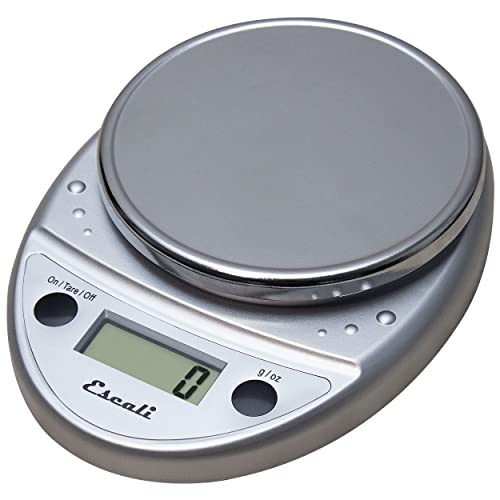
Replace the battery first; low power is the top cause of drift.
- Always use a hard, level surface and calibrate with a known weight.
- If drift persists after cleaning and calibration, replace the scale.
Why does my kitchen scale keep drifting?
Drifting means the reading changes without adding or removing weight. The most common cause is a weak battery. A dying battery makes the sensor unstable. Other causes include temperature changes, humidity, and electromagnetic interference. An uneven or soft surface also causes false readings. Finally, a dirty or damaged load cell can cause drift.
How to fix a drifting kitchen scale
Start by replacing the battery with a fresh one. Then move the scale to a hard, flat surface like a cutting board or granite counter. Turn the scale off and on to reset it. Place a known weight, like a 500g dumbbell, on the scale to check accuracy. If it drifts, calibrate using the scale's calibration mode. Most scales have a CAL button or a specific button sequence. Follow the manual for your model. If calibration fails, clean the scale gently with a dry cloth. Avoid using water or solvents near the sensor.
How to prevent kitchen scale drift in the future
Store the scale in a dry, room-temperature place. Avoid leaving it near a stove or window where heat changes. Remove the battery if you won't use it for months. Always place the scale on a hard, level surface before each use. Zero the scale before weighing each time. Keep the sensor area free of dust and crumbs. Use a soft brush to clean it regularly.
When should you replace your kitchen scale?
If drift continues after battery replacement and calibration, the load cell is likely damaged. A damaged load cell cannot be repaired at home. If the scale is more than five years old, replacement is often cheaper than repair. Also replace if the display flickers or shows error codes. Check if the scale is under warranty. If not, consider a new one with a higher capacity or better stability.
What to look for in a stable kitchen scale
Choose a scale with a high-precision load cell. Look for a capacity of at least 5kg and readability of 1g. A larger platform improves stability. Some models have a 'hold' function to lock readings. Auto-off saves battery but can cause drift if it turns off mid-weigh. Read reviews for mentions of drift issues. Brands like Ozeri, Etekcity, and Greater Goods are known for stability.