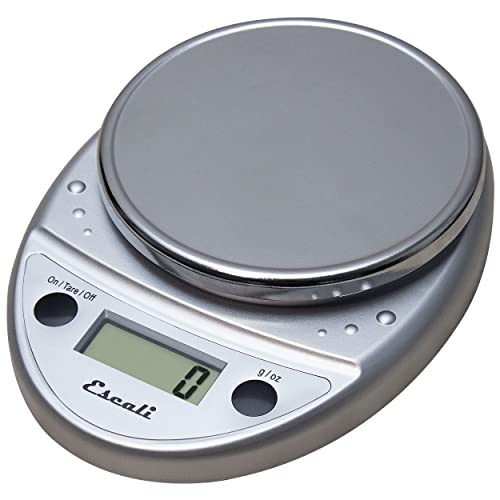
Remove batteries when the scale is not used for weeks.
- Clean corrosion with vinegar and dry contacts fully.
- Use fresh alkaline batteries and keep the scale dry.
Why do kitchen scale batteries corrode?
Corrosion happens when alkaline batteries leak potassium hydroxide. This occurs when a battery discharges fully and gases build up inside. Heat and humidity speed up the chemical reaction. Leaving the scale unused for months is the most common trigger. Cheap or expired batteries leak more often than fresh ones. Even a tiny leak can damage the metal contacts permanently.
How to clean corroded battery contacts
First, remove the batteries and throw them away in a sealed bag. Put on gloves and safety glasses to protect your skin and eyes. Dip a cotton swab in white vinegar or lemon juice and wipe the corroded terminals. The acid neutralizes the alkaline crust. Scrub gently until the metal looks clean. Dry everything with a fresh cloth. If the corrosion is severe, use a small brush or fine sandpaper. Test the scale with new batteries before closing the compartment.
How to prevent battery corrosion in kitchen scales
Take the batteries out when the scale will sit idle for more than a few weeks. Store batteries in a cool, dry place, not in the scale. Use high-quality alkaline batteries from a known brand. Replace all batteries at the same time, never mix old and new. Keep the scale away from steam and splashes. Wipe the battery compartment with a dry cloth every few months. Some scales have a battery-saving switch, so use it if available.
When should you replace the scale instead of fixing it?
If the contacts are pitted or green, cleaning may not restore a solid connection. Corrosion can eat through the metal or the circuit board. If the scale shows erratic readings after cleaning, the damage is likely internal. A replacement scale is often cheaper than a repair. Look for a model with a sealed battery compartment or a USB rechargeable battery. These designs avoid the problem altogether.
Can you use rechargeable batteries in a kitchen scale?
Yes, but they behave differently. NiMH rechargeables have a lower voltage, around 1.2 volts instead of 1.5. Some scales may show a low battery warning sooner. Rechargeables also self-discharge faster, so they can go dead in storage. If you use them, charge them fully before long breaks. Or simply remove them when not in use. For most people, quality alkaline batteries are the safer choice.