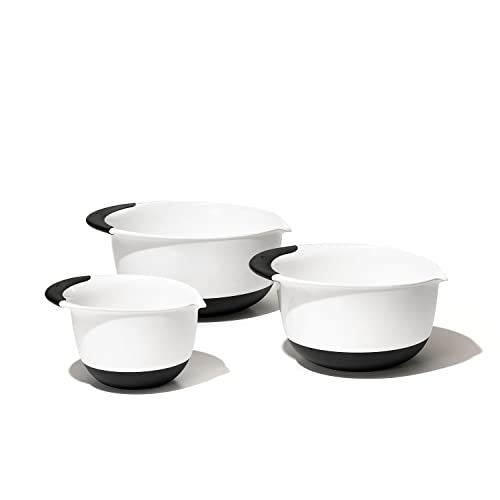
Scratched non-stick coating cannot be fully repaired; stop using the bowl if it flakes.
- Use silicone, wood, or plastic utensils and hand wash to prevent scratches.
- Replace the bowl when coating peels or bare metal shows, especially for acidic foods.
Why does non-stick coating scratch?
Metal utensils are the top culprit. Whisking or scraping with forks, spoons, or beaters gouges the surface. Abrasive sponges and harsh scouring pads also wear it down. Dishwasher cycles blast bowls with detergent and high heat, weakening the bond. Stacking bowls without protection lets rims and bases grind against each other. Even hard ingredients like sugar or salt can act like sandpaper when stirred vigorously. Over time, thermal shock from sudden temperature changes makes the coating brittle and prone to flaking.
How to fix scratched non-stick coating: step-by-step
First, clean the bowl thoroughly with warm soapy water and a soft cloth. Dry it completely. Apply a thin layer of food-safe mineral oil or coconut oil to the scratched area. Let it sit for 15 minutes, then wipe off excess. This fills minor scratches and temporarily restores some slickness. For deeper gouges, use a silicone baking mat or liner inside the bowl. That creates a new, safe surface without replacing the bowl. Never use spray-on non-stick coatings, as they are not meant for direct food contact. If you see flakes or peeling, stop using the bowl entirely. The coating can chip into food, posing a health risk.
How to prevent scratches in the future
Switch to silicone, wood, or plastic utensils. Always hand wash with a soft sponge and mild dish soap. Avoid abrasive cleaners like baking soda paste or steel wool. Store bowls with paper towels or cloth between them. Never stack metal bowls directly. Use a protective liner when mixing hard ingredients like nuts or chocolate chips. Keep bowls away from direct heat sources, including stovetops and ovens. Follow the manufacturer's care instructions printed on the bowl or packaging.
When should you replace a scratched non-stick bowl?
Replace the bowl if the coating is flaking, peeling, or showing bare metal. Scratches that expose the base material can leach aluminum or other metals into food. If you notice dark specks in your batter, that's coating debris. Also replace if the bowl smells burnt or has a rough texture that traps food. Most manufacturers recommend replacing non-stick cookware every few years, even with light use. A scratched bowl is not safe for acidic foods like tomato sauce or citrus, which can accelerate breakdown. When in doubt, toss it out. The cost of a new bowl is lower than a medical bill.
Can you repair non-stick coating with a kit?
Some DIY kits claim to restore non-stick surfaces, but they are not food-safe. These kits use chemical sprays or paints that can peel and contaminate food. No reputable brand offers a safe repair kit for non-stick coatings. The only reliable fix is to replace the bowl. If you love the bowl's size or shape, consider buying a stainless steel or glass alternative. Those materials are scratch-resistant and last longer. For baking, glass bowls are oven-safe and easy to clean. For mixing, stainless steel is lightweight and won't react with ingredients.