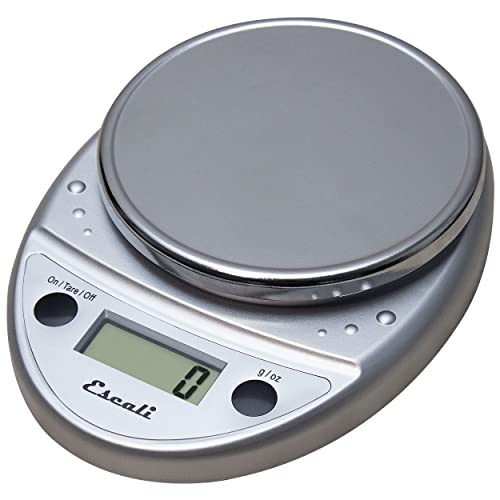
Low batteries and dirty sensors are the most common causes of inaccurate kitchen scales.
- Recalibrate your scale with a known weight after cleaning and battery replacement.
- Use a flat, stable surface and avoid overloading to maintain accuracy.
- If calibration fails, the load cell may be damaged, and replacement is often the best option.
Why is my kitchen scale giving inaccurate readings?
Several factors cause inaccurate readings. Low batteries are a common culprit. Uneven or soft surfaces distort weight. Dirty sensors or debris under the platform affect results. Overloading the scale beyond its capacity can damage the load cell. Temperature changes and humidity also interfere with electronics. Finally, normal wear and tear over time reduces accuracy.
How to fix a kitchen scale step by step
Start by replacing the batteries with fresh ones. Then, place the scale on a hard, flat surface like a countertop. Clean the scale's surface and sensors with a soft, dry cloth. Turn it on and wait for it to zero out. Use a calibration weight or a known object, such as a nickel (weighs 5 grams), to test. If your scale has a calibration mode, follow the manual's instructions. Press the calibration button and place the weight when prompted. After calibration, test with multiple weights to confirm accuracy.
How to prevent kitchen scale inaccuracies
Store your scale in a dry, temperature-stable place. Avoid leaving heavy objects on the platform. Clean it regularly with a damp cloth, but never submerge it in water. Handle it gently to protect the load cell. Check the battery level periodically and replace them before they die. Recalibrate every few months or after moving the scale. Use it on a consistent, level surface each time.
When should you replace your kitchen scale?
If calibration and cleaning don't fix the issue, the load cell may be broken. Check if the scale gives wildly inconsistent readings, like varying by more than a few grams. Physical damage, such as cracks or bent feet, also warrants replacement. Compare the cost of repair to a new scale; often, a new one is cheaper. If your scale is over five years old, consider upgrading. Modern scales offer better accuracy and features like auto-calibration.
Can you repair a kitchen scale yourself?
Some repairs are possible, like replacing batteries or cleaning sensors. If the load cell is faulty, you can order a replacement part online. However, opening the scale may void the warranty. For most people, replacing the scale is more practical. If the scale is under warranty, contact the manufacturer for a replacement. For high-end scales, professional repair might be worth it.