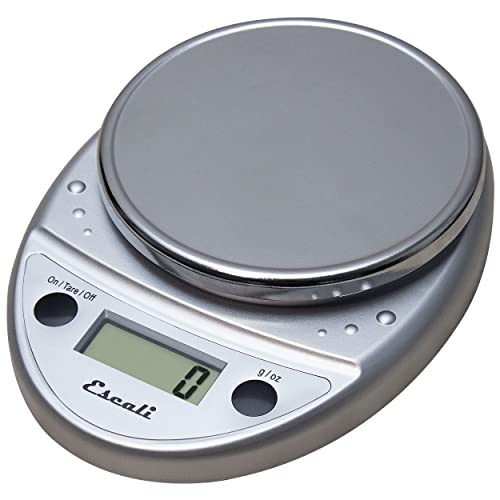
Replace batteries and use a flat, hard surface to fix most inconsistent readings.
- Calibrate regularly with a known weight and clean sensors to maintain accuracy.
- Replace the scale if it shows physical damage or persists after troubleshooting.
Why does a kitchen scale give inconsistent readings?
Inconsistent readings usually come from a few common culprits. Low battery power is the top cause, as voltage drops affect sensor accuracy. Uneven or soft surfaces, like a towel or cutting board, can also distort weight. Temperature changes and humidity can interfere with the internal strain gauge. Finally, debris or residue on the platform or sensors can cause erratic jumps.
How to fix a kitchen scale step by step
Start by replacing the batteries with fresh ones, preferably alkaline or lithium. Place the scale on a hard, flat, and level surface, like a countertop or tile floor. Turn the scale on and let it warm up for a minute. Press the calibration button if available, or use the tare function to zero it. Test with a known weight, such as a 100-gram calibration weight or a standard coin. If readings are still off, clean the platform and sensor area with a soft, damp cloth and dry thoroughly. Check for physical damage like cracks or bent feet, which may require replacement.
How to prevent inconsistent readings in the future
Store your scale in a dry, room-temperature place, away from direct sunlight and moisture. Always use it on the same hard, flat surface to ensure consistency. Avoid dropping or banging the scale, as that can damage the load cells. Clean it regularly with a gentle cleaner, but never submerge it in water. Replace batteries every six months or when you notice a low-battery indicator. Calibrate the scale monthly with a known weight to maintain accuracy.
When should you replace your kitchen scale?
If you've tried new batteries, cleaning, and calibration, but readings still vary wildly, it's time to consider a new scale. Physical damage like a cracked platform or bent feet often means the sensor is compromised. If the scale gives different readings for the same object repeatedly, the load cell may be failing. Also, if the scale is more than five years old, components may have worn out. In most cases, replacing a scale is more cost-effective than repairing it, as repairs can cost more than a new unit.
Can a professional fix a kitchen scale?
Most kitchen scales are not designed for repair, and opening them can void the warranty. If your scale is under warranty, contact the manufacturer for a replacement. For high-end or commercial scales, a certified technician might be able to recalibrate or replace sensors. However, for typical home scales, professional repair is rarely worth the cost. Check if the manufacturer offers a calibration service, but expect to pay more than the scale's value.