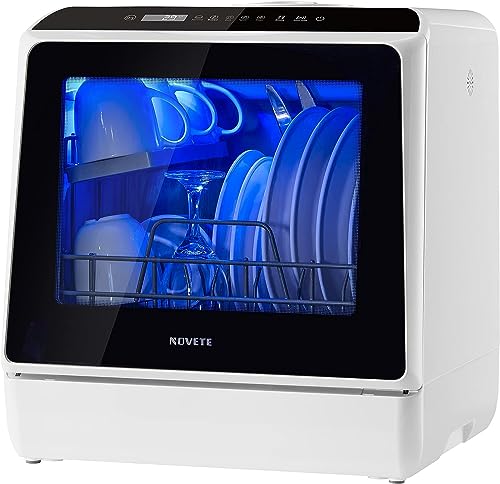
A countertop dishwasher that stops mid-cycle usually trips a safety sensor. Check the water supply, drain hose, and door latch first. Clean the filter and unclog the spray arms. Reset the unit by unplugging it for 10 minutes. If it persists, the control board may be faulty.
- Most mid-cycle stops come from water supply or drain issues.
- Always reset the unit before replacing any parts.
- Regular cleaning of the filter and spray arms prevents many stops.
- If the unit is old or repair costs exceed replacement, buy a new one.
Why does my countertop dishwasher stop mid-cycle?
Several common issues can interrupt a cycle. The most frequent is a blocked water inlet or drain. A kinked hose or a clogged filter will trigger a safety shutdown. Door latch misalignment is another typical culprit. Many units pause if the door opens even slightly. Overheating from a faulty heating element can also stop the cycle.
How to fix a countertop dishwasher that stops mid-cycle
Start by unplugging the dishwasher and waiting 10 minutes. This resets the control board. Check the water supply hose for kinks and ensure the faucet is fully open. Inspect the drain hose for clogs or bends. Remove and clean the filter under running water. Clear any debris from the spray arms. Verify the door latch clicks securely. If the unit still stops, test the heating element with a multimeter. Replace any worn door gaskets.
How to prevent mid-cycle stops in a countertop dishwasher
Use the correct amount of detergent to avoid excess suds. Suds can trigger a foam sensor and stop the cycle. Run the garbage disposal before draining to prevent clogs. Clean the filter monthly to maintain water flow. Avoid overloading the basket, which can block spray arms. Check hoses regularly for wear and replace them if cracked. Descale the unit every few months to prevent mineral buildup.
When to replace or call a pro for a countertop dishwasher
If the dishwasher stops mid-cycle after basic troubleshooting, a part may be faulty. Replacing a control board or motor often costs more than a new unit. If the unit is under warranty, contact the manufacturer for service. For units older than five years, replacement is usually more economical. Call a pro if you suspect an electrical issue or a water leak. Persistent error codes may indicate a sensor failure.