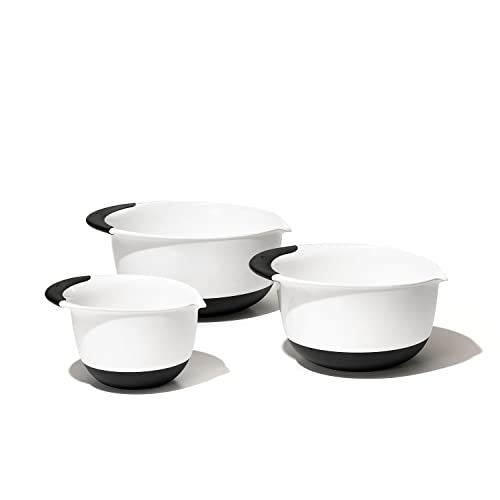
Sticky residue on plastic bowls is usually from leftover oils or plastic degradation.
- Use baking soda paste, vinegar, or oil to remove residue effectively.
- Prevent stickiness by hand washing, avoiding high heat, and replacing worn bowls.
Why does sticky residue form on plastic mixing bowls?
Plastic bowls often feel sticky after washing. This happens because fats and oils from food cling to the surface. Dish soap may not remove all of them, especially if the bowl is scratched. Over time, these oils oxidize and become tacky. Also, some plastics degrade with heat or age, releasing sticky compounds. Dishwasher heat can speed up this process. Even new bowls can feel sticky if they are made from low-quality plastic.
How to remove sticky residue from plastic mixing bowls
Start by washing the bowl with warm soapy water to remove loose debris. Then, make a paste of three parts baking soda and one part water. Apply it to the sticky areas and let it sit for 10 minutes. Gently scrub with a soft sponge or cloth in circular motions. Rinse with warm water. If residue remains, dab a cloth with rubbing alcohol or white vinegar and wipe the surface. For oily residue, vegetable oil or coconut oil can help dissolve it. Apply a small amount, rub, then wash with dish soap. Always rinse thoroughly after using any solvent.
How to prevent sticky residue on plastic mixing bowls
Avoid using plastic bowls for oily or greasy foods when possible. Wash them by hand with a grease-cutting dish soap. Use warm, not hot, water to prevent damage. Dry the bowls immediately after washing to avoid water spots. Do not put plastic bowls in the dishwasher, as high heat can degrade the plastic. Store them in a cool, dry place away from direct sunlight. If you notice scratches, consider replacing the bowl, as scratches trap residue.
When should you replace a plastic mixing bowl?
Replace a bowl if it has deep scratches that cannot be cleaned. Scratches harbor bacteria and make residue removal harder. Also, replace if the plastic is warped, cracked, or has a persistent odor. If the bowl is cloudy or sticky even after cleaning, it may be degrading. For heavy-duty use, consider switching to glass or stainless steel bowls. These materials do not absorb oils and are easier to clean.
Are there safer alternatives to plastic mixing bowls?
Yes, glass and stainless steel bowls are non-porous and resist sticky residue. They are dishwasher-safe and do not degrade with heat. However, they can be heavier and more expensive. If you prefer plastic, look for bowls made from polypropylene or Tritan, which are more resistant to oils. Always check the recycling code on the bottom. Codes 5 and 7 are generally safer, but avoid code 7 if it contains BPA.