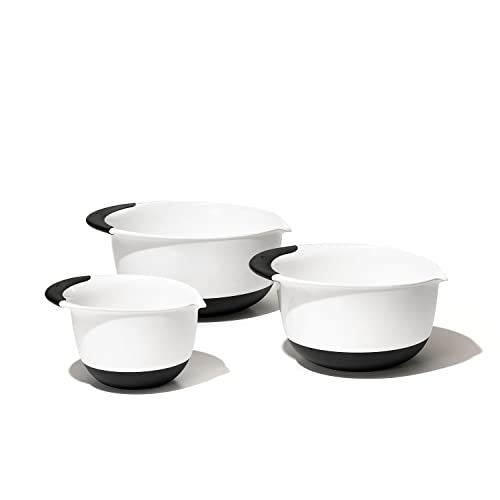
Plastic bowls stain because they are porous and absorb pigments from food.
- A baking soda paste is the most effective and gentle way to remove stains.
- Prevent stains by rinsing immediately and avoiding metal utensils.
- Replace bowls if they have deep scratches, cracks, or persistent odors.
Why do plastic mixing bowls get stained?
Plastic is porous, so it absorbs pigments from foods like tomato sauce, turmeric, and berries. Oils can trap these pigments deeper into the surface. Heat speeds up the absorption, so hot foods cause worse stains. Scratches from metal utensils create tiny grooves where stains hide. Some plastics, like polycarbonate, are more stain-resistant than others. Over time, repeated use without immediate cleaning lets stains set in.
How to remove stains from plastic mixing bowls
Start with a paste of baking soda and water. Apply it to the stained areas and let it sit for 15 minutes. Scrub gently with a soft sponge or cloth. Rinse with warm water. For stubborn stains, add lemon juice or white vinegar to the paste. For heavy discoloration, soak the bowl in a solution of one part bleach to three parts water for up to 30 minutes. Always rinse thoroughly after using bleach. Avoid abrasive scrubbers, as they can scratch the plastic further. If stains remain, try a commercial plastic cleaner designed for food contact.
How to prevent stains on plastic mixing bowls
Rinse bowls immediately after use with cold water. Hot water can set stains, so use warm water for washing. Wash with dish soap and a non-abrasive sponge. Avoid using metal utensils that scratch the surface. Consider using silicone or wooden utensils instead. Store bowls away from direct sunlight, which can yellow plastic. For highly pigmented foods, coat the bowl with a thin layer of oil before mixing. This creates a barrier that reduces absorption.
When to replace stained plastic mixing bowls
Stains alone are not a health risk, but deep scratches can harbor bacteria. If the bowl has cracks or chips, replace it to prevent bacterial growth. If the plastic feels sticky or has a lingering odor after cleaning, it may be degraded. Replacement is also wise if the bowl is warped or melted from heat. Most plastic mixing bowls last for years with proper care. If stains persist despite all methods, consider using glass or stainless steel bowls instead.
Are there safer alternatives to plastic mixing bowls?
Glass bowls are non-porous and resist stains completely. Stainless steel bowls are durable and easy to clean. Both are dishwasher safe and do not absorb odors. Ceramic bowls are another option, but they can chip. These materials are more expensive than plastic but last longer. If you prefer plastic, look for bowls made from polypropylene or Tritan, which are more stain-resistant. Always check the recycling code to identify the plastic type.