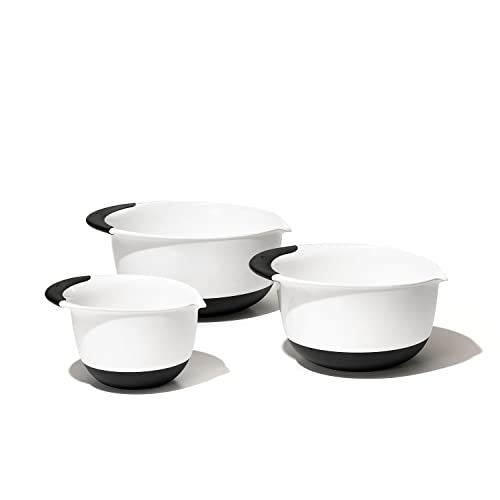
Plastic bowls trap grease in pores and scratches, so regular washing may not be enough.
- Use hot water, dish soap, and a baking soda paste for effective grease removal.
- Prevent buildup by hand washing, avoiding abrasives, and using plastic bowls for non-greasy foods.
- Replace bowls that are deeply scratched, warped, or retain a greasy smell.
Why Does Grease Stick to Plastic Mixing Bowls?
Plastic is porous, so grease seeps into tiny scratches and pores. Over time, these pores trap oil and food residue. Also, plastic is less heat-resistant than glass or metal, so hot grease can bond more strongly. Dish soap alone often fails because it doesn't penetrate the pores. The result is a greasy film that persists even after washing.
How to Remove Grease from Plastic Bowls: Step-by-Step
Start by scraping off any solid food with a spatula. Rinse the bowl with hot water to loosen the grease. Apply a few drops of dish soap directly to the bowl and scrub with a soft sponge or brush. For heavy grease, create a paste of baking soda and water. Spread the paste over the greasy areas and let it sit for 10 to 15 minutes. Scrub gently, then rinse thoroughly with hot water. If grease remains, soak the bowl in a solution of hot water and white vinegar for 30 minutes. Wash again with dish soap. Dry the bowl completely before storing.
How to Prevent Grease Buildup on Plastic Bowls
Use plastic bowls for non-greasy foods like salads or dry ingredients. When mixing oily ingredients, consider using glass or stainless steel bowls. Always wash plastic bowls promptly after use; dried grease is harder to remove. Avoid using abrasive scrubbers that create scratches where grease can hide. Hand wash plastic bowls instead of using a dishwasher, as high heat can warp plastic and trap grease. Periodically deep clean your plastic bowls with a baking soda scrub to keep pores clear.
When to Replace Your Plastic Mixing Bowls
If your bowl has deep scratches or cracks, replace it, as these harbor bacteria and grease. A lingering greasy smell after cleaning indicates trapped residue. Discoloration or a sticky film that won't come off means the plastic has degraded. Also, if the bowl warps or melts in the dishwasher, it's time for a new one. Replacing is safer than risking contamination.
What About Commercial Degreasers?
Commercial degreasers can work, but they may be harsh on plastic. Check the label for plastic-safe warnings. Many are designed for metal or glass surfaces. For food-safe cleaning, stick to dish soap, baking soda, and vinegar. If you use a commercial product, rinse the bowl multiple times to ensure no residue remains. Always follow the manufacturer's instructions.