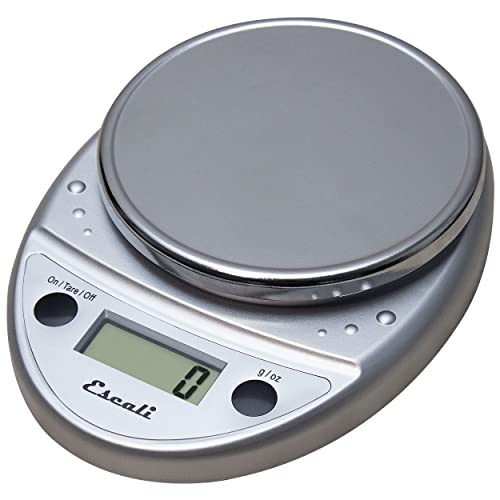
A kitchen scale is one of the most useful tools for precise cooking and baking. Whether you are measuring flour for bread or portioning meat for meal prep, the right scale saves time and improves consistency. Our editorial team compared specifications, buyer feedback and key decision factors to help you understand what matters most. This guide covers capacity, precision, units, display, tare function, and material, plus the digital vs mechanical debate.
Capacity and Precision
Capacity refers to the maximum weight a scale can measure. Most kitchen scales range from 5 to 11 pounds (about 2.3 to 5 kg). For everyday use, a 5 kg capacity is enough. If you frequently weigh large batches of dough or whole roasts, look for 10 kg or more. For example, a 5 kg scale can handle a whole chicken or a large bowl of flour, but for a turkey or a large stockpot, you may need a higher capacity. Some scales offer capacities up to 15 kg (33 lbs), which is useful for bulk ingredients or large mixing bowls.
Precision is the smallest weight increment the scale can show. Digital scales often offer 1 gram precision, while some high-precision models go to 0.1 grams. Mechanical scales usually show 1 gram or 0.5 ounce increments. For baking, 1 gram is fine. For espresso or yeast, 0.1 gram helps. For example, when measuring 5 grams of yeast, a 0.1 gram scale can show 5.0 grams, while a 1 gram scale may show 5 grams, but the actual weight could be 4.5 to 5.4 grams. This difference can affect dough rise. For most home cooking, 1 gram precision is sufficient, but if you are a serious baker or coffee enthusiast, consider a 0.1 gram scale.
Units and Display
Most scales support grams, kilograms, ounces, and pounds. Some also include fluid ounces or milliliters for liquids. A clear display makes reading easy. Digital scales have backlit LCD screens. Mechanical scales use a dial with markings. Look for a display that is large and easy to see at a glance. For digital scales, a backlit display is helpful in dim light. Some models have a tiltable display or a display that can be detached for easier reading. Mechanical scales often have a magnifying lens over the dial to improve readability.
If you follow international recipes, unit switching is important. Many digital scales have a button to toggle between units. Mechanical scales may have dual markings on the dial. For example, a scale might show both grams and ounces on the same dial. Some digital scales also have a mode for counting pieces, which is useful for portioning items like nuts or berries. Consider whether you need to measure liquids in milliliters; some scales have a dedicated mode for water or milk, but this is less common.
Tare Function and Material
The tare function zeros out the scale with a container on it. This lets you add ingredients directly to a bowl without mental math. Almost all digital scales have a tare button. Mechanical scales may have a zero adjustment knob but it is less convenient. For example, with a digital scale, you can place a bowl, press tare, add flour, press tare again, add sugar, and so on, without removing the bowl. This is especially useful for baking recipes that require multiple ingredients in the same bowl. Some digital scales have a hold feature that locks the reading when you remove the container, which is helpful if the display is hard to see while adding ingredients.
Material affects durability and cleaning. Stainless steel platforms resist stains and are easy to wipe. Glass platforms look sleek but can break. Plastic is lightweight but may warp over time. For heavy use, choose stainless steel. Some scales have a removable platform for easy cleaning. Others have a sealed surface to prevent spills from entering the electronics. If you plan to weigh sticky ingredients like honey or dough, a non-stick surface or a scale with a removable bowl can be convenient. Consider the overall build quality: a scale with a sturdy base and non-slip feet will stay in place during use.
Digital vs Mechanical
Digital scales are the most popular choice. They offer high precision, easy tare, unit switching, and often a backlit display. They require batteries or USB power. Some models have a low battery indicator. Digital scales are ideal for baking, portion control, and any task needing accuracy. For example, a digital scale can measure 0.1 gram increments, which is essential for espresso dosing or yeast measurement. Many digital scales also have a count function for portioning items like pills or nuts. However, they may be less durable than mechanical scales and can malfunction if exposed to moisture or drops.
Mechanical scales (spring or balance) need no electricity. They are simple, durable, and often less expensive. However, they are less precise, harder to read precisely, and the spring can wear over time. They work well for rough weighing or as a backup. For example, a mechanical scale is great for weighing vegetables at a farmer's market or for camping where batteries are not available. Some mechanical scales have a dial that can be zeroed with a knob, but this is less convenient than a digital tare button. Mechanical scales are also more resistant to spills and drops, making them a good choice for a busy kitchen.
Consider your cooking style. If you bake often or follow strict recipes, go digital. If you want a rugged, no-fuss tool for occasional use, a mechanical scale may suffice. Check the current price on Amazon for both types to compare value. Some digital scales offer both precision and durability with a stainless steel platform and a protective cover. Others are designed for portability with a slim profile and a carrying case. Think about where you will store the scale: a digital scale with a removable platform may be easier to clean and store.
Additional Features to Consider
Beyond the basics, some kitchen scales offer extra features that can enhance usability. Auto-off saves battery life by turning off the scale after a period of inactivity. A low battery indicator alerts you when it is time to replace batteries. Some scales have a hold function that locks the display reading, which is helpful when weighing items that are difficult to see on the scale, such as a large bowl. A pull-out display allows you to read the weight even when a large container is on the platform. For those who measure liquids, some scales have a dedicated mode for water, milk, or oil, converting weight to volume based on density. However, this feature is less common and may not be accurate for all liquids.
Another feature is the ability to measure in increments of 0.1 grams, which is important for precision tasks like measuring yeast, salt, or coffee. Some scales also have a count function that lets you determine the number of identical items (e.g., nuts, berries) by weighing one and then the total. This is useful for portion control. For connectivity, some high-end scales have Bluetooth or Wi-Fi to sync with recipe apps, but this is not necessary for most users. Consider whether you need a scale that can be calibrated. Some digital scales have a calibration mode that allows you to adjust accuracy using a known weight. This is useful for professional bakers or those who demand high precision. However, most home scales are calibrated at the factory and do not require recalibration.
In summary, choose a scale with adequate capacity, the precision you need, easy-to-read display, a reliable tare function, and a durable material. Digital scales offer more features and accuracy, while mechanical scales are simpler and battery-free. Use this guide to find the perfect kitchen scale for your home. Remember to consider your specific cooking habits and the types of ingredients you weigh most often. A scale that fits your needs will make your time in the kitchen more efficient and enjoyable.