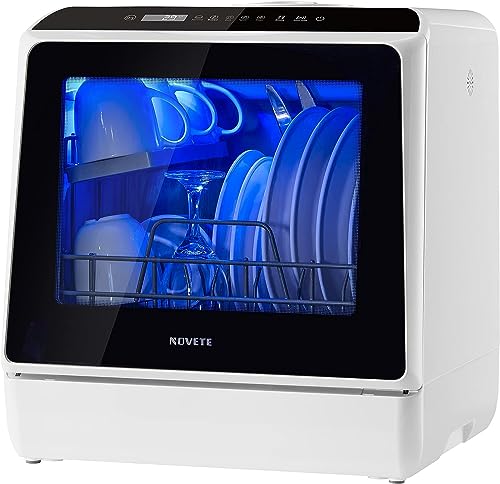
Most countertop dishwashers require a faucet adapter to connect to your kitchen sink. The adapter links the dishwasher's inlet hose to the faucet aerator. Without it, you cannot supply water safely. Some models offer a direct water line option, but that needs a plumber. Check your model's manual for the exact fitting.
- A faucet adapter is mandatory for most countertop dishwashers.
- Check your faucet type before buying; some need special adapters.
- Direct water line installation is an alternative for compatible models.
How a Countertop Dishwasher Connects to Your Sink
Countertop dishwashers draw water from your kitchen faucet. A standard connection uses a threaded adapter that screws onto the faucet's aerator. The dishwasher's inlet hose then attaches to this adapter. This setup lets the machine fill and drain through the sink. Most units include the adapter in the box. Some faucets, like pull-down or touchless models, may not accept a standard adapter.
What Happens If You Skip the Faucet Adapter?
Without the adapter, you cannot connect the inlet hose to the faucet. The hose has a specific fitting that only mates with the adapter. Trying to force a connection can cause leaks or damage the threads. The dishwasher will not start its cycle because it detects no water flow. In short, the machine simply won't operate as intended. You would need to manually fill the tub, which is not a supported method.
Alternatives to a Faucet Adapter for Permanent Installation
Some countertop models offer a direct water line connection. This uses a tee valve under the sink to supply water permanently. You would bypass the faucet entirely. This setup requires basic plumbing skills or a professional installer. It frees up the sink for other uses during cycles. Check if your model supports this option before buying. Most portable dishwashers do not, so verify the specifications.
Which Faucets Are Incompatible with Standard Adapters?
Faucets with integrated pull-down sprayers often lack a removable aerator. Touchless or sensor faucets may have a proprietary nozzle that blocks adapter attachment. Commercial-style spring faucets can also be tricky. In these cases, you might need a special adapter kit. Some brands sell universal adapters with multiple thread sizes. Measure your faucet's thread diameter before purchasing a replacement.
How to Install a Faucet Adapter Correctly
First, unscrew the existing aerator from the faucet tip. Wrap plumber's tape around the threads to prevent leaks. Screw the adapter onto the faucet, then attach the dishwasher's inlet hose. Tighten both connections by hand, then use pliers for a snug fit. Run a short test cycle to check for drips. If you see water, re-tighten or add more tape. Always turn off the dishwasher and close the faucet when not in use.