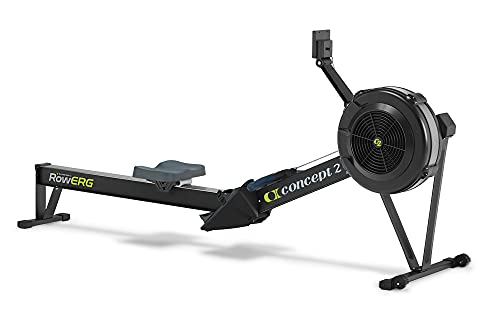
Most squeaks come from loose bolts, dry rails, or worn bearings. Tighten everything, clean and lubricate the rail and rollers, and replace worn parts if needed.
A squeaking rowing machine can turn a peaceful workout into a frustrating experience. The good news is that most noises have simple fixes you can do at home with basic tools. Our editorial team compared specifications, buyer feedback, and key decision factors to bring you this practical troubleshooting guide.
Whether you own an air rower, magnetic rower, or water rower, the causes of squeaks are often similar. Loose bolts, dry rails, and worn bearings are the usual suspects. In this guide, we break down each cause and provide step-by-step fixes. Plus, we share maintenance tips to keep your machine quiet for years.
Why Your Rowing Machine Squeaks
Understanding the source of the noise is the first step to fixing it. Here are the most common culprits:
- Loose bolts and screws: Over time, vibration from rowing can loosen the frame connections, causing a creak or rattle.
- Dry or dirty rails: The seat glides along a rail. If the rail is dry or has dust and sweat buildup, it can create a squeak as the rollers pass over it.
- Worn bearings: The flywheel, chain, or seat rollers have bearings that can wear out, producing a grinding or squealing sound.
- Chain and sprocket issues: On air and magnetic rowers, a dry or rusted chain can squeak as it moves over the sprocket.
- Piston problems (water rowers): The hydraulic piston that provides resistance can become dry or misaligned, causing a squeak during the stroke.
Identifying which part is making the noise can be done by listening carefully and feeling for vibrations. Place your hand on different parts while rowing to isolate the source.
How to Fix a Squeaky Rowing Machine
Follow these steps in order. They cover the most common fixes and work for most rower types.
- Inspect and tighten all bolts and screws. Use a wrench or Allen key to check every visible bolt on the frame, seat, and footrests. Tighten any that feel loose. Be careful not to overtighten, as that can strip threads.
- Clean the rail and seat rollers. Wipe the rail with a damp cloth to remove dust and sweat. Use a mild soap if needed, then dry it. For the rollers, remove the seat if possible and clean the wheels with a cotton swab dipped in rubbing alcohol.
- Lubricate the rail and rollers. Apply a thin layer of silicone-based lubricant to the rail and the roller wheels. Avoid oil-based lubricants as they attract dust. Wipe off any excess to prevent drips.
- Lubricate the chain (air and magnetic rowers). Apply a Teflon or silicone chain lubricant to the chain while it is fully extended. Wipe off excess. This reduces friction and noise from the sprocket.
- Check the flywheel and bearings. If the noise comes from the flywheel area, inspect the flywheel for debris or damage. Spin it by hand to feel for roughness. If the bearings are worn, you will need to replace them. Most rowers have sealed bearings that require professional replacement, but some are user-serviceable.
- Adjust the piston (water rowers). For water rowers, check the piston shaft for smooth movement. If it is dry, apply a silicone spray to the shaft. If it is misaligned, loosen the mounting bolts, align the piston, and retighten.
- Replace worn parts. If you have tried everything and the squeak persists, you may need to replace the seat rollers, chain, or bearings. Check your owner's manual for part numbers and instructions.
Maintenance Tips to Prevent Future Squeaks
Regular maintenance is the best way to avoid noisy rowing sessions. Here are some habits to adopt:
- Wipe down after every use. Sweat and dust are the enemies of smooth motion. Use a dry cloth to wipe the rail, handle, and seat.
- Lubricate on a schedule. For air and magnetic rowers, lubricate the chain every 50 hours of use. For water rowers, check the piston and bearings every 6 months.
- Tighten bolts monthly. A quick check of all fasteners can prevent creaks from developing.
- Store in a dry place. Humidity can cause rust on chains and bearings. Keep your rower in a climate-controlled room.
- Use a mat. Placing a mat under the rower can reduce vibration and protect the floor, but it also helps keep dust away.
By following these tips, you can extend the life of your rowing machine and keep it whisper-quiet.
When to Replace Parts vs. Call a Professional
Some noises indicate that a part is beyond simple maintenance. Here is how to decide:
Replace at home: Seat rollers, chains, and some bearings are user-replaceable. If you are handy with tools, you can order parts from the manufacturer.
Call a professional: If the flywheel bearing is sealed and you are not comfortable disassembling it, or if the frame is cracked, seek professional help. Attempting complex repairs could void your warranty.
Always consult your owner's manual for specific guidance. If your rower is still under warranty, contact the manufacturer before doing any major work.
Frequently Asked Questions
Why does my rowing machine squeak when I pull?
A squeak during the pull usually points to a dry or dirty rail, loose seat rollers, or a chain and sprocket that need lubrication. Check the seat rollers first, as they are the most common source of squeaks on air and magnetic rowers. Clean the rail with a damp cloth, then apply a silicone-based lubricant to the rollers and rail. If the noise persists, inspect the chain and sprocket for rust or wear.
How often should I lubricate my rowing machine?
Lubrication frequency depends on usage and rower type. For air and magnetic rowers, lubricate the chain every 50 hours of use or every 3 months, whichever comes first. Water rowers require less frequent lubrication, but you should check the piston and bearings annually. Always wipe down the rail after each workout to prevent dirt buildup that can cause squeaks.
Can a squeaky rowing machine be fixed without replacing parts?
Yes, many squeaks are caused by loose bolts or dry components. Tighten all visible bolts and screws, clean the rail and rollers, and apply a silicone lubricant to moving parts. If the noise is from worn bearings or a damaged chain, you may need to replace those parts, but simple maintenance resolves most issues.