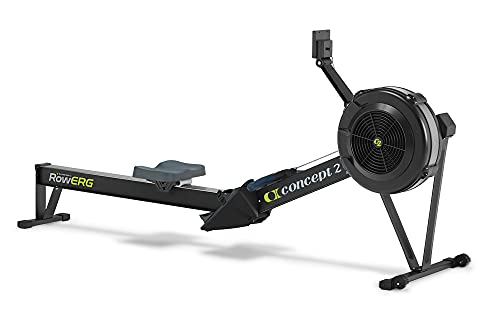
Choosing the right rowing machine can transform your home workouts, but with so many options on the market, it's easy to feel overwhelmed. Our editorial team compared specifications, buyer feedback, and key decision factors to help you make an informed choice. This guide covers the four main resistance types, essential features, how to match a rower to your fitness level and space, and common mistakes to avoid.
Types of Resistance
Rowing machines use different mechanisms to create resistance, each with its own feel, noise level, and maintenance requirements. Understanding these differences is the first step in narrowing down your options.
Air Resistance
Air rowers use a flywheel with fan blades. The faster you pull, the more air resistance you generate, so the resistance is self-regulating. This mimics the feel of rowing on water and is favored by athletes and CrossFit enthusiasts. Air rowers are durable and provide a challenging workout, but they can be noisy, which may be a concern in shared living spaces.
Magnetic Resistance
Magnetic rowers use a magnetic brake that applies resistance to a metal flywheel. You can adjust the resistance level manually or electronically, making it easy to customize your workout. These machines are nearly silent and offer a smooth, consistent stroke. They are ideal for apartments or homes where noise is a factor. However, the resistance curve may not feel as natural as air or water, and some models have a lower maximum resistance.
Water Resistance
Water rowers use a paddle wheel inside a water tank. The resistance increases as you pull harder, just like a real boat. The sound of swirling water is soothing and adds to the immersive experience. Water rowers are often praised for their aesthetic appeal and smooth feel. They require occasional water treatment to prevent algae growth, and they can be heavier than other types.
Hydraulic Resistance
Hydraulic rowers use pistons filled with fluid to create resistance. They are compact, lightweight, and often the most affordable option. Many models have dual cylinders for both push and pull phases. Hydraulic rowers are easy to store and are a good choice for small spaces. The main downside is that the stroke can feel less smooth, and the resistance may not be as adjustable as other types.
Key Features to Consider
Beyond resistance type, several features can significantly impact your experience. Pay attention to the monitor, comfort, and storage options.
Monitor and Connectivity
A good monitor tracks essential metrics like time, distance, strokes per minute, and calories burned. Some advanced models offer heart rate monitoring, Bluetooth connectivity, and compatibility with fitness apps. If you plan to follow structured workouts or track your progress over time, look for a rower with a clear display and app integration. However, don't overpay for features you won't use; a simple monitor may be sufficient for many users.
Comfort and Adjustability
Comfort is crucial for longer sessions. Look for a padded, ergonomic seat that glides smoothly on a rail. Adjustable footrests with secure straps are essential to accommodate different shoe sizes. The handlebar should be comfortable to grip and have a swivel mechanism to reduce strain on your wrists. Some rowers offer adjustable resistance levels, which is important if multiple people with different fitness levels will use the machine.
Storage and Portability
Rowing machines can be bulky, so consider how you will store them. Many models fold vertically to save floor space, and some have wheels for easy moving. If you live in a small apartment, a foldable or hydraulic rower might be your best bet. Always check the dimensions and weight capacity to ensure it fits your space and body size.
Matching a Rower to Your Needs
Your fitness level, available space, and budget will determine the best rower for you. Here's a step-by-step approach to narrow down your choices.
- Assess your fitness goals. If you are training for competition or high-intensity interval training, an air rower offers the most challenging and scalable workout. For general fitness and low-impact cardio, a magnetic or water rower is excellent.
- Measure your space. Measure the area where you plan to use the rower, including clearance for the rail. Consider whether you need a folding model or one with wheels for storage.
- Set a budget. Rowers range from under $200 to over $2,000. Hydraulic models are the most affordable, while premium water and air rowers are at the higher end. Decide what features are worth the price.
- Consider noise tolerance. If you live in an apartment or have family members who are sensitive to noise, a magnetic or water rower is quieter than an air rower.
- Test if possible. Visit a local fitness store to try different types. Pay attention to the smoothness of the stroke, the comfort of the seat, and the ease of adjusting resistance.
Here is a quick comparison of the four resistance types to help you decide:
| Type | Feel | Noise | Maintenance | Best For |
|---|---|---|---|---|
| Air | Dynamic, self-regulating | Loud | Low | Athletes, HIIT |
| Magnetic | Smooth, adjustable | Quiet | Low | Beginners, apartments |
| Water | Natural, smooth | Moderate (water sound) | Medium (water treatment) | Home use, aesthetics |
| Hydraulic | Compact, dual action | Quiet | Low | Small spaces, budget |
Common Pitfalls to Avoid
Many buyers make mistakes that lead to dissatisfaction. Here are the most common pitfalls and how to avoid them.
Ignoring Weight Capacity
Every rower has a maximum user weight. Check this before purchasing, especially if you are heavier. Exceeding the limit can damage the machine and void the warranty.
Choosing Based on Price Alone
The cheapest rower may not provide a smooth stroke or durable construction. Conversely, the most expensive isn't necessarily the best for you. Focus on features that match your needs, not just the price tag.
Overlooking Rail Length
Taller users need a longer rail to achieve a full stroke. If you are over 6 feet tall, look for a rower with a rail length of at least 50 inches. Some budget models have shorter rails that can feel cramped.
Neglecting Warranty and Support
Rowing machines endure a lot of wear and tear. A good warranty (at least 1 year on parts and 2 years on the frame) is essential. Also, check the manufacturer's reputation for customer service.
Forgetting About Form
Even the best rower won't help if you use poor form. Many beginners make the mistake of using only their arms or rounding their back. Take time to learn proper technique: push with your legs, then lean back, and finally pull with your arms. This will prevent injuries and maximize results.
By understanding the types of resistance, key features, and common pitfalls, you can confidently choose a rowing machine that fits your lifestyle. Remember to check the current price on Amazon and read recent buyer reviews to ensure you're getting a quality product. Happy rowing!