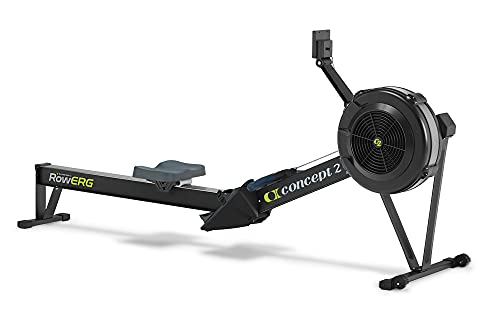
Rowing machines are often praised for delivering a full-body workout, but many people wonder exactly which muscles are being worked. Understanding the muscle groups involved in each phase of the rowing stroke can help you train more effectively, prevent imbalances, and get the most out of every session. This guide breaks down the primary and secondary muscles used during rowing, explains why it is a complete exercise, and offers practical tips to maximize muscle engagement.
Primary Muscles in the Rowing Stroke
The rowing stroke is divided into two main phases: the drive and the recovery. Each phase activates different muscle groups, but the primary movers are consistent across the stroke.
- Quadriceps: These muscles at the front of your thighs are the main drivers during the leg push. They extend your knees and provide the initial powerful push that starts the drive phase.
- Hamstrings: Located at the back of your thighs, they work during the recovery phase to bend your knees and control the return of the sliding seat. They also assist in hip extension during the latter part of the drive.
- Glutes: Your gluteal muscles are heavily involved in hip extension as you push through your heels. They are key for generating power and stability.
- Core muscles: The abdominals, obliques, and lower back muscles work together to stabilize your torso and transfer force from your legs to your upper body. They keep your spine neutral and prevent energy leakage.
- Latissimus dorsi (lats): These large back muscles are the primary movers for the arm pull. They pull the handle toward your chest and are essential for a strong finish.
- Rhomboids and trapezius: These muscles retract your shoulder blades during the pull, helping to open your chest and engage the upper back.
- Biceps and forearms: Your biceps flex the elbows during the pull, while your forearms grip the handle and maintain tension.
Understanding these primary muscles helps you focus on engaging them at the right time. For example, the leg drive should initiate the stroke, followed by the back swing and finally the arm pull.
Secondary Muscles and Stabilizers
Beyond the primary movers, rowing recruits several secondary muscles that support the movement and improve overall coordination.
- Triceps: These muscles extend the elbows during the recovery phase, helping to push the handle away from your body in a controlled manner.
- Deltoids: The shoulder muscles assist in stabilizing the shoulder joint during the pull and recovery, especially the rear deltoids which aid in the pulling motion.
- Erector spinae: This group of muscles runs along your spine and works to maintain an upright posture during the drive. They are crucial for preventing lower back strain.
- Hip flexors: These muscles work during the recovery to bring your knees toward your chest, allowing the seat to slide forward.
- Calves: Your calf muscles help with ankle flexion and provide stability as you push through the footplates.
- Obliques: These side abdominal muscles help rotate and stabilize your torso, especially during the finish of the stroke.
These secondary muscles act as stabilizers and synergists. They ensure smooth movement and protect your joints from injury. For example, strong core stabilizers prevent your lower back from rounding, which is a common mistake.
Why Rowing Is a Full-Body Workout
Rowing is considered a full-body workout because it engages approximately 85% of your muscles in a single, continuous motion. Unlike cycling or running, which primarily target the lower body, rowing requires coordinated effort from both the lower and upper body.
During a single stroke, you sequentially activate your legs, core, back, and arms. This sequential recruitment not only works multiple muscle groups but also improves cardiovascular endurance and muscular stamina. The constant resistance from the flywheel or water tank challenges your muscles throughout the entire range of motion, unlike some machines that only work muscles in one direction.
Additionally, rowing is a low-impact exercise, making it suitable for people with joint issues. It provides a high-calorie burn, often comparable to running, while being gentler on the knees and hips. The combination of strength and cardio makes rowing an efficient way to improve overall fitness.
Because rowing works both the lower and upper body, it helps correct muscle imbalances that can occur from doing only upper or lower body exercises. It also promotes better posture by strengthening the back and core, which are essential for daily activities.
Tips to Maximize Muscle Engagement
To get the most out of your rowing sessions, focus on proper technique and intentional muscle activation. Here are some practical tips:
- Master the sequence: Always start the drive with your legs, then lean back slightly, and finally pull with your arms. On the recovery, reverse the order: extend your arms, then hinge forward, and finally bend your knees. This ensures each muscle group works at the right time.
- Keep your core tight: Engage your abdominal muscles throughout the stroke to stabilize your torso. Imagine pulling your belly button toward your spine. This protects your lower back and transfers power efficiently.
- Use your legs powerfully: The leg drive should provide about 60% of the power. Push through your heels and fully extend your legs before engaging your upper body.
- Pull with your back, not just your arms: As you finish the stroke, squeeze your shoulder blades together and lead with your elbows. This activates the lats and rhomboids more effectively.
- Control the recovery: The recovery is not a rest. Move slowly and with control, keeping tension in your muscles. This increases time under tension, which promotes muscle growth.
- Adjust resistance appropriately: Use a resistance level that allows you to maintain proper form. If the resistance is too high, you may rely on your back and arms too much, increasing injury risk. If it is too low, you may not challenge your muscles enough.
- Incorporate intervals: Alternate between high-intensity bursts and moderate recovery periods. This not only improves cardiovascular fitness but also recruits fast-twitch muscle fibers, which are important for muscle growth.
- Focus on mind-muscle connection: Think about the muscles you are targeting during each phase. For example, during the drive, visualize pushing with your glutes and quads. This mental focus can increase muscle activation.
By following these tips, you can transform your rowing workout from a simple cardio session into a comprehensive strength-building routine. Remember to warm up before starting and cool down with stretching to prevent injury and improve flexibility.
Rowing is a versatile exercise that suits beginners and advanced athletes alike. Whether your goal is weight loss, muscle toning, or improving endurance, understanding the muscles worked will help you train smarter. For more guidance on choosing the right rowing machine, check the current price on Amazon and read user reviews to find a model that fits your needs.