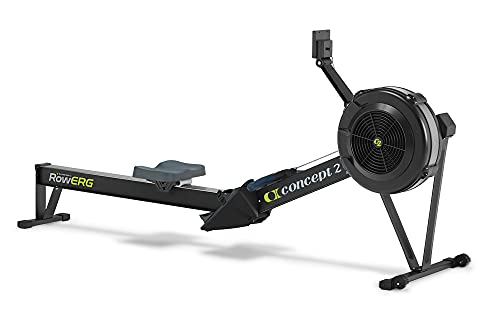
Fix your form: keep your back straight, drive with your legs, and avoid overreaching. Adjust footrests and seat height to maintain a neutral spine.
Rowing is one of the best full-body workouts, but many people experience lower back pain after using a rowing machine. This discomfort often comes from technique errors, not the machine itself. Our editorial team compared specifications, buyer feedback and key decision factors to help you understand why your back hurts and how to fix it.
Why Rowing Causes Lower Back Pain
Lower back pain during rowing usually stems from a few common mistakes:
- Rounded back: Curving your spine at the catch or during the drive puts excessive stress on the lumbar discs.
- Overreaching: Leaning too far forward to grab the handle pulls your lower back out of alignment.
- Using arms too early: Pulling with your arms before your legs extend shifts the load to your back.
- Weak core: Without a strong core, your lower back takes over the work.
- Poor seat position: Incorrect footrest height or seat angle can force your pelvis into an unnatural tilt.
Additionally, doing too much too soon, skipping warm-ups, or using excessive resistance can strain your back. A 2021 study in the Journal of Sports Medicine found that 30% of rowers report lower back pain, with technique being the primary factor.
How to Fix Your Rowing Form
Follow these steps to correct your technique and protect your back:
- Set up correctly: Adjust the footrests so the straps cross the widest part of your feet. Your shins should be vertical at the catch, and the seat should move smoothly.
- Maintain a neutral spine: Keep your back straight, chest up, and shoulders down. Imagine a straight line from your head to your tailbone.
- Drive with your legs: Begin the stroke by pushing through your legs while keeping your arms straight. Your back stays at a fixed angle.
- Engage your core: Tighten your abdominal muscles before you pull. This braces your spine and transfers power efficiently.
- Finish with your arms and back: After your legs are extended, pull the handle to your lower ribs, then lean back slightly (about 10 degrees). Avoid over-leaning.
- Recover in reverse: Extend your arms first, then hinge forward from your hips, and finally bend your knees. Keep your back straight throughout.
Practice this sequence slowly without resistance until it feels natural. Film yourself or use a mirror to check your posture.
Adjusting Seat and Footrests
Proper equipment setup can prevent back pain:
- Footrest height: If your feet are too high, your knees will be too bent at the catch, forcing your back to round. Lower the footrests slightly so your shins are vertical.
- Seat comfort: A hard or poorly shaped seat can tilt your pelvis backward. Consider a gel seat pad if needed.
- Handle grip: Hold the handle lightly, with wrists straight. Do not grip too tightly, as this tenses your shoulders and back.
If your machine has a seat slider or adjustable footboards, experiment to find a position where your back stays neutral.
Strengthening Exercises to Prevent Injury
Building strength in your core and posterior chain supports your spine during rowing. Add these exercises 2 to 3 times per week:
- Planks: Hold a forearm plank for 30 to 60 seconds. This builds core stability.
- Bird-dogs: On all fours, extend opposite arm and leg, hold for 3 seconds, then switch. Do 10 per side.
- Glute bridges: Lie on your back, knees bent, lift your hips. Squeeze glutes at the top. Do 15 reps.
- Deadlifts (light weight): With a kettlebell or dumbbell, hinge at your hips, keeping your back flat. Do 10 reps.
- Supermans: Lie face down, lift your arms and legs slightly, hold for 2 seconds. Do 10 reps.
Also stretch your hip flexors and hamstrings, as tightness can pull your pelvis out of alignment.
When to Replace or Adjust Your Machine
Sometimes the machine itself contributes to back pain:
- Worn seat rollers: If the seat jerks or sticks, it can cause uneven motion. Clean and lubricate the rail.
- Damaged foot straps: Loose straps force you to brace with your back. Replace them if they don't hold.
- Inconsistent resistance: A flywheel that drags or has uneven magnetic resistance can disrupt your stroke. Check the manufacturer's guidelines.
If you've corrected your form and still have pain, consult a healthcare professional. Persistent pain could indicate an underlying issue.
Frequently Asked Questions
Is rowing machine bad for your lower back?
Rowing is generally safe and beneficial for your back when done with proper form. However, poor technique, overuse, or pre-existing conditions can lead to lower back pain. Most cases resolve with form corrections and gradual progression.
How should I sit on a rowing machine to avoid back pain?
Sit tall with your chest up, shoulders relaxed, and core engaged. Your shins should be vertical at the catch, and your back should stay straight throughout the stroke. Adjust the footrests so the straps cross the balls of your feet, and ensure the seat glides smoothly.
What muscles should I strengthen to prevent rowing back pain?
Focus on your core (transverse abdominis, obliques), glutes, hamstrings, and lower back erectors. Planks, bird-dogs, glute bridges, and deadlifts help build a stable base for rowing.
Remember, rowing is a low-impact exercise that can actually strengthen your back if performed correctly. Start with low resistance, focus on form, and gradually increase intensity. Check the current price on Amazon for a quality rowing machine that fits your needs.