PICK
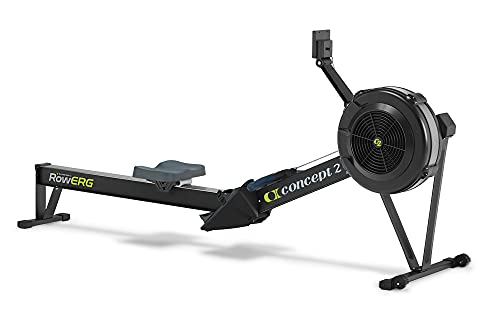
Concept2 RowErg Review: Is It Worth It?
The Concept2 RowErg is the gold standard for indoor rowing, favored by athletes and gyms worldwide. This review breaks down its performance monitor, adjustability, durability, noise level, and user experience to help you decide if it's the right investment for your home gym.
ProductPickly is reader-supported. When you buy through links on our site, we may earn an affiliate commission at no extra cost to you. It never changes our picks.
The Concept2 RowErg is the most trusted indoor rower on the market, offering a proven air resistance system, the industry-standard PM5 performance monitor, and build quality that withstands decades of hard use. While it lacks the sleek design of water rowers and the immersive screens of smart rowers, its simplicity, reliability, and data accuracy make it the smartest investment for serious fitness enthusiasts and beginners alike.
How it scores
The good and the annoying
- Industry-standard air resistance that scales with your effort
- PM5 monitor with precise data, Bluetooth, and ANT+ connectivity
- Tool-less adjustability for footrests and damper setting
- Virtually indestructible, backed by a 5-year frame warranty
- Easy to store upright, and rolls on caster wheels
- Huge community and resale value
- Air resistance creates a whooshing noise, louder than magnetic rowers
- No built-in workout library or screen (requires a tablet or phone)
- Seat can feel hard for beginners; aftermarket cushions are common
- Damper setting can be confusing for new users
- Not as aesthetically pleasing as wooden water rowers
The Concept2 RowErg is the undisputed industry standard for indoor rowing, found in CrossFit boxes, commercial gyms, and Olympic training centers. But is it the right choice for your home? Our editorial team compared specifications, buyer feedback, and key decision factors to bring you this honest review. We'll cover the monitor, adjustability, durability, noise, and overall user experience, and we'll compare it to other high-end rowers so you can make an informed choice.
Design and Build Quality
The RowErg features a welded steel frame with a powder-coated finish that resists rust and scratches. The monorail is robust, and the seat glides smoothly on rollers. The footrests are adjustable with a simple pull-pin mechanism, accommodating shoe sizes from small to XXL. The handle is ergonomic and comfortable, with a grip that doesn't slip even when sweaty.
One of the standout features is the tool-less adjustability. You can change the footrest position, the damper setting, and even the handle height (with an optional adapter) without any tools. The machine folds for storage, but it's already easy to move on its caster wheels. The overall dimensions are 96 x 24 x 20 inches, and it weighs 70 pounds, making it sturdy enough for intense workouts.
Performance Monitor: PM5
The PM5 is the brain of the RowErg and is widely considered the best performance monitor in the rowing world. It displays time, distance, pace (per 500m), stroke rate, calories, and watts. It also calculates a 'drag factor' that helps you calibrate the damper for consistent feel across different machines.
The PM5 has a backlit LCD screen that is easy to read in any lighting. It offers Bluetooth and ANT+ connectivity, allowing you to pair heart rate monitors and connect to third-party apps like Zwift, EXR, and the Concept2 Utility app. You can also store workout data for up to 200 sessions and compare your results over time. The monitor is powered by two AA batteries that last for months, and it also has a USB port for firmware updates and charging.
Ease of Use and Adjustability
Getting started with the RowErg is straightforward. You set the footrests so the strap crosses the ball of your foot, adjust the damper to a setting that feels comfortable (usually 3-5), and start rowing. The PM5 guides you through setup with clear menus. The learning curve is minimal, but new users should watch a few technique videos to avoid injury.
The damper setting is often misunderstood. It does not directly control resistance; it controls the airflow into the flywheel, which affects the 'feel' of the stroke. The resistance is determined by how hard you pull. The PM5 shows the drag factor, which you can use to match the feel of other rowers. For most workouts, a drag factor of 120-140 is recommended.
Noise Level
The RowErg is not a quiet machine. The air resistance creates a whooshing sound that increases with your stroke rate. In a quiet room, it's noticeable, but many users find it soothing and rhythmic. If you plan to row while others are sleeping or watching TV, consider a magnetic rower like the WaterRower, which is nearly silent. However, the RowErg's noise is not excessive; it's comparable to a fan on high.
Durability and Maintenance
Durability is where the RowErg shines. The frame is built to last for decades, even with heavy daily use. The flywheel is virtually maintenance-free, and the PM5 is reliable. The only regular maintenance is wiping down the rail and cleaning the flywheel housing occasionally. The chain may need lubrication after many hours of use, but it's a simple task.
Concept2 offers a 5-year warranty on the frame, 2 years on parts, and 1 year on labor. This is better than most competitors. The brand also has a huge community and excellent customer support, with replacement parts available for any model, even older ones.
Common Buyer Complaints
While the RowErg is highly rated, some users have complaints. The seat is often cited as uncomfortable for longer sessions, especially for beginners. Many users purchase a gel seat cushion or padded shorts. The noise level is another common complaint, particularly for apartment dwellers. Some users find the PM5's menu system a bit dated compared to modern touchscreens, but it's functional and reliable.
Another minor issue is that the RowErg doesn't come with a tablet holder, which is an extra purchase. Also, the foot straps can be a bit short for very large feet, but that's rare. Overall, these complaints are minor compared to the machine's strengths.
Comparison with Other High-End Rowers
When compared to the WaterRower, the RowErg is louder but offers better data accuracy and a higher weight capacity. The WaterRower is quieter and has a beautiful wooden design, but it costs more and requires water treatment. The Ergatta Rower is a high-tech option with a gamified touchscreen, but it's even more expensive and has a lower weight capacity. The Hydrow Rower offers immersive classes with a 22-inch screen, but it requires a subscription and is not as durable.
For home users, the RowErg is the best value if you prioritize performance and longevity over aesthetics and entertainment. It's also the most likely to hold its resale value, as demand remains high.
Is It the Right Investment for Home Users?
The answer depends on your goals. If you're serious about fitness, want accurate data, and appreciate a machine that will outlast you, the RowErg is worth every penny. It's a professional-grade tool that can help you train for competitions or just stay fit. If you want a quiet, aesthetically pleasing rower with built-in classes, you might prefer a WaterRower or Hydrow, but you'll pay more and sacrifice durability.
In summary, the Concept2 RowErg is the safest investment in the rowing machine market. It's not the cheapest, but it's the most reliable and versatile. With proper care, it will serve you for decades.
Specs that matter
| Capacity | 500 lb (227 kg) |
| Resistance type | Air (adjustable damper) |
| Monitor | PM5 with Bluetooth and ANT+ |
| Dimensions | 96" L x 24" W x 20" H (244 x 61 x 51 cm) |
| Weight | 70 lb (32 kg) plus monitor |
| Warranty | 5 years frame, 2 years parts, 1 year labor |
You want a durable, accurate, and no-frills rower that will last for years and is backed by a massive community. You value performance data and are willing to use your own tablet for entertainment. You plan to train seriously or compete in events like the CRASH-Bs.
You prefer a whisper-quiet workout and want a built-in screen with interactive classes. You want a rower that doubles as a piece of furniture. You have a very tight budget and are okay with a less durable machine.
Questions before you buy
How loud is the Concept2 RowErg compared to other rowers?
The RowErg uses air resistance, which produces a distinct whooshing sound that increases with stroke rate. In decibels, it measures around 70-80 dB during a moderate workout, similar to a vacuum cleaner. Magnetic rowers like the WaterRower are quieter, but the RowErg's sound is often described as white noise and is generally acceptable for home use.
Can I use the Concept2 RowErg with apps like Zwift or Peloton?
Yes, the PM5 monitor connects via Bluetooth and ANT+ to many apps, including Zwift, EXR, and the official Concept2 Utility app. You can also use a tablet holder (sold separately) to follow classes from platforms like iFit or Apple Fitness+.
How does the RowErg compare to the WaterRower?
The RowErg offers more precise data, easier adjustability, and a higher weight capacity (500 lb vs 350 lb). It's also more compact when stored upright. The WaterRower is quieter and more aesthetically pleasing, but it costs more and requires occasional maintenance of the water tank.
Is the damper setting the same as resistance?
No, the damper setting controls the airflow into the flywheel, which affects the 'feel' of the stroke, not the actual resistance. The resistance is determined by how hard you pull. The drag factor (displayed on the PM5) is a more accurate measure; you can adjust the damper to achieve a drag factor between 120-140 for a standard workout.
How much space do I need for the RowErg?
When in use, the RowErg measures 96 inches long, 24 inches wide, and 20 inches high. You'll need about 8 feet of clearance behind the rail. When not in use, it can be stood upright on its end, taking up only 20 x 24 inches of floor space.