Foam rollers are a staple for anyone serious about muscle recovery, mobility, and overall fitness. With so many options on the market, choosing the right one can be overwhelming. Our editorial team compared specifications, buyer feedback, and key decision factors across top-rated models to bring you this comprehensive guide.
Types of Foam Rollers
Foam rollers come in various densities, textures, and sizes. Understanding the differences helps you pick the right one for your needs.
High-Density Foam Rollers
These are the most common, made from firm EVA foam. They provide a solid surface for deep pressure, ideal for athletes and those with tight muscles. They are durable and affordable.
Textured Foam Rollers
Textured rollers feature ridges, knobs, or a grid pattern. They mimic the effect of a massage therapist's hands, targeting trigger points more precisely. They can be intense for beginners.
Vibrating Foam Rollers
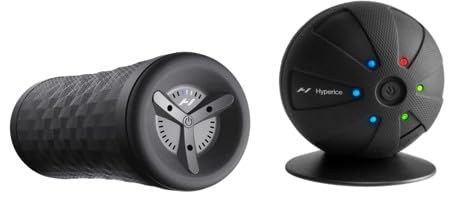
These add vibration to the rolling experience, which helps relax muscles faster and reduce soreness. They are battery-powered and often have multiple speed settings. They are more expensive and heavier.
Travel Foam Rollers
Compact and lightweight, these are designed for portability. They are shorter and sometimes hollow, making them easy to pack. They offer less surface area but are convenient for on-the-go use.
How to Choose the Right Foam Roller
Consider your fitness level, budget, and specific recovery needs.
Firmness
Beginners should start with a softer roller (low-density) to avoid bruising. As you get used to the pressure, you can progress to firmer rollers. High-density or PVC rollers are for advanced users.
Texture
Smooth rollers are gentle and suitable for general use. Textured rollers are better for breaking up knots and adhesions, but they can be too intense for sensitive areas.
Size
Standard rollers are 6 inches in diameter and 18 inches long. Travel rollers are shorter (12 inches) and lighter. Larger rollers provide more stability and coverage.
Durability
High-density EVA foam is durable and retains its shape. Cheaper rollers may flatten over time. Look for rollers with a solid core or high-quality foam.
Common Mistakes to Avoid
Using a foam roller incorrectly can cause injury or reduce effectiveness.
Rolling Too Fast
Rolling quickly may feel good but doesn't allow the muscle to relax. Move slowly, about 1 inch per second, to give the tissue time to respond.
Rolling Over Joints
Avoid rolling directly over knees, elbows, or spine. Focus on the muscle belly, not the bone.
Using Too Much Pressure
While some discomfort is normal, sharp pain is a sign to ease up. You should be able to breathe deeply and relax.
Neglecting Breathing
Deep breathing helps your muscles relax. Hold the roller on a tight spot and take slow breaths to encourage release.
Maintenance and Hygiene
Foam rollers collect sweat and dirt. Wipe them down after each use with a damp cloth. Avoid leaving them in direct sunlight or extreme heat, as this can degrade the foam.
Final Thoughts
Investing in a quality foam roller is a smart move for your fitness routine. Whether you choose a budget-friendly option or a high-tech vibrating model, the key is to use it consistently and correctly. Remember to check the current price on Amazon for the best deals.