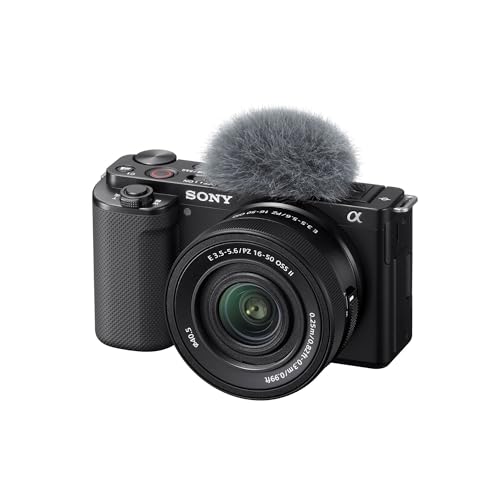
PICK

Panasonic Lumix G100 Review
An honest look at the Panasonic Lumix G100 for vloggers and hybrid shooters. We break down specs, real-world performance, handling, and who should skip it.
ProductPickly is reader-supported. When you buy through links on our site, we may earn an affiliate commission at no extra cost to you. It never changes our picks.
The Panasonic Lumix G100 is a compact Micro Four Thirds camera that stands out for its excellent built-in microphones and vlogging-friendly features. It delivers solid 4K video and decent stills, but its small body and limited controls may frustrate advanced users. If you are a beginner or content creator prioritizing audio and ease of use, it is a strong choice. If you need advanced autofocus or weather sealing, consider alternatives.
How it scores
The good and the annoying
- Excellent 360-degree microphone with wind reduction
- Compact and lightweight body (approx. 352g with battery and card)
- Fully articulating touchscreen for vlogging
- Good 4K/30p video with unlimited recording
- Micro Four Thirds lens mount with many affordable lenses
- No in-body image stabilization (IBIS)
- Contrast-detect autofocus can hunt in low light
- No headphone jack for audio monitoring
- Small grip may be uncomfortable for larger hands
- Battery life is modest (approx. 270 shots per charge)
The Panasonic Lumix G100 is a compact Micro Four Thirds camera that aims to be the ultimate vlogging tool for creators who want great audio without extra gear. Our editorial team compared specifications, buyer feedback and key decision factors to give you an honest review. We look at who it is for, its real strengths, and where it falls short.
Who Is the G100 For?
The G100 is designed for beginner vloggers, YouTubers, and content creators who want a lightweight camera with excellent built-in audio. It is also a good choice for travel and everyday photography where portability matters more than advanced features. If you are a student or a hobbyist looking to step up from a smartphone, the G100 offers a solid balance of video and stills capabilities.
Who Should Skip It?
If you need fast autofocus for sports or wildlife, the G100's contrast-detect system will frustrate you. Similarly, if you shoot handheld video without a gimbal, the lack of in-body stabilization means you will see shake. Advanced users who want weather sealing, a large grip, or extensive custom controls should also look elsewhere.
Design and Build Quality
The G100 is small and light, weighing about 352 grams with battery and card. Its body is made of plastic but feels solid enough for casual use. The grip is shallow, which may be an issue for larger hands, but the camera is comfortable for short shooting sessions. The fully articulating touchscreen is bright and responsive, making it easy to frame yourself when vlogging. The built-in electronic viewfinder is a rare find in this class and is very useful for shooting in bright sunlight.
Key Features and Specifications
The G100 features a 20.3-megapixel Micro Four Thirds sensor, which is smaller than APS-C but still delivers good image quality. It can shoot 4K/30p video with unlimited recording time, and 1080p at up to 60fps. The camera includes Panasonic's 360-degree microphone with wind reduction, which is a standout feature. It also has a 3-inch touchscreen and a 2.36M-dot EVF. The autofocus uses contrast-detect with DFD technology, and it supports face and eye detection for both humans and animals.
Real-World Performance
In good light, the G100 produces sharp, colorful images. The 20MP sensor is capable of fine detail, and the Micro Four Thirds lens ecosystem offers many affordable options. Video quality is also strong, with 4K footage that is detailed and true to life. The microphone is exceptional for a built-in unit, capturing clear dialogue with minimal wind noise. However, the autofocus can be slow to lock on in low light, and it may hunt occasionally. The lack of IBIS means you need a stabilized lens or a steady hand for handheld shots.
Handling and Ergonomics
The G100 is easy to use for beginners, with a simple menu system and helpful touch controls. The mode dial is straightforward, and the iA (Intelligent Auto) mode works well for point-and-shoot scenarios. However, the small body means fewer physical buttons, so changing settings like ISO or white balance requires diving into the menu or using the touchscreen. The grip is minimal, and the camera may feel cramped for those with larger hands. The battery life is rated at about 270 shots per charge, which is average for this class.
Battery and Storage
The G100 uses the DMW-BLG10 battery, which is shared with other Panasonic cameras. It provides around 270 shots on a single charge, which is modest but acceptable for a day of casual shooting. The camera has a single SD card slot that supports UHS-I cards. For video, we recommend using a U3 or faster card to ensure reliable recording.
Image and Video Quality
Stills from the G100 are clean up to ISO 3200, with some noise at higher ISOs. The colors are natural, and the Micro Four Thirds lenses can produce beautiful bokeh with wide apertures. Video quality is excellent for the price, with 4K/30p that is sharp and detailed. The 1080p mode is also good, but the 4K is the main draw. The camera offers a flat profile (V-Log L) for those who want to color grade, but it is not available without a paid upgrade.
Ease of Use
The G100 is one of the easiest cameras to use for vlogging. The touchscreen allows you to tap to focus, and the selfie mode automatically flips the screen and starts recording. The built-in microphone is a huge plus, as it captures clear audio without the need for an external mic. The menu system is well organized, and the iA mode handles most settings automatically. For beginners, this camera is a breeze.
Cleaning and Maintenance
Like all interchangeable lens cameras, the G100's sensor can collect dust when changing lenses. Use a blower to remove loose particles, and avoid touching the sensor. The body is not weather-sealed, so keep it dry and clean. Wipe the exterior with a soft cloth. The microphone grills can be cleaned with a dry brush to remove debris.
Common Buyer Complaints
Several buyers have noted that the autofocus is not reliable in low light, and some have experienced hunting during video recording. The lack of a headphone jack is a common complaint for serious videographers. The small grip is also mentioned frequently, with some users adding a third-party grip for comfort. A few users have reported that the battery drains quickly when using the Wi-Fi features. Despite these issues, most buyers are satisfied with the audio quality and overall value.
How Does It Compare to Alternatives?
Compared to the Sony ZV-E10, the G100 offers a built-in viewfinder and better internal audio, but the ZV-E10 has superior autofocus and a larger sensor. The Canon EOS M50 Mark II is another competitor, but it lacks a headphone jack and has a smaller lens selection. The Panasonic GH5 is a more advanced option with IBIS and better video features, but it is larger and more expensive. The DJI Osmo Pocket 3 is a pocket-sized alternative for pure vlogging, but it has a fixed lens and a smaller sensor.
Value for Money
The G100 is priced competitively in the entry-level mirrorless market. It offers features that are typically found in more expensive cameras, such as a high-quality microphone and an EVF. For vloggers, the audio quality alone can save the cost of an external microphone. However, if you need advanced autofocus or stabilization, you may be better off spending a bit more on a different camera. Check the current price on Amazon to see if it fits your budget.
Final Verdict
The Panasonic Lumix G100 is a niche camera that excels at what it is designed for: vlogging and content creation with excellent built-in audio. It is not a jack-of-all-trades, but for its target audience, it is a very capable tool. If you prioritize audio and ease of use over autofocus speed and stabilization, the G100 is a solid choice. If you need more versatility, consider alternatives.
Specs that matter
| Sensor | 20.3MP Micro Four Thirds (Live MOS) |
| Video | 4K/30p, 1080p/60p, unlimited recording |
| Autofocus | Contrast-detect with Depth from Defocus (DFD) |
| Screen | 3-inch fully articulating touchscreen (1.84M dots) |
| Viewfinder | 0.73x EVF (2.36M dots) |
| Weight | Approx. 352g (body only with battery and card) |
You are a vlogger or content creator who wants great built-in audio and a compact, easy-to-use camera for 4K video and casual stills.
You need fast and reliable autofocus for action or low-light shooting, or you require in-body stabilization and weather sealing.
Questions before you buy
Does the Panasonic Lumix G100 have in-body image stabilization?
No, the G100 does not have in-body image stabilization. It relies on lens stabilization or digital stabilization in video mode. For handheld vlogging, use a lens with OIS or a gimbal for best results.
Is the G100 good for photography?
Yes, for stills it offers a 20.3MP sensor that produces clean images in good light. However, the contrast-detect autofocus is not as fast as phase-detect systems, so it may struggle with moving subjects.
Can the G100 shoot 4K without a crop?
The G100 shoots 4K/30p with a slight crop of about 1.1x. This is minimal and acceptable for most users. There is no crop in 1080p.
Does the G100 have a headphone jack?
No, it does not have a headphone jack. You can monitor audio only through the camera's speaker or via an external recorder connected through the 3.5mm mic input.
How does the G100 compare to the Sony ZV-E10?
The Sony ZV-E10 offers better autofocus with phase detection and a larger APS-C sensor, but it lacks a built-in viewfinder and has a less impressive internal microphone. The G100 wins on audio and viewfinder, while the ZV-E10 wins on autofocus and sensor size.