PICK

Canon EOS R50 Review
The Canon EOS R50 is a compact, beginner-friendly mirrorless camera that delivers strong photo and video quality for its size. Our editorial team compared specifications, buyer feedback, and key decision factors to help you decide if this is the right entry point into Canon's RF mount.
ProductPickly is reader-supported. When you buy through links on our site, we may earn an affiliate commission at no extra cost to you. It never changes our picks.
The Canon EOS R50 is a capable, compact mirrorless camera that makes it easy to step up from a phone or a beginner DSLR. It offers excellent autofocus, solid 4K video, and a user-friendly interface, all in a lightweight body. While it lacks in-body stabilization and some advanced controls, its performance and image quality are impressive for the price. It is best for vloggers, content creators, and casual photographers who want a simple, reliable camera. Serious enthusiasts or professionals will find the limited lens selection and lack of weather sealing restrictive.
How it scores
The good and the annoying
- Compact and lightweight body, easy to carry anywhere
- Excellent Dual Pixel CMOS AF II with subject detection
- 4K 30p video with no crop, plus 120p HD for slow motion
- Fully articulating touchscreen, great for vlogging
- User-friendly interface with guided menus for beginners
- Good battery life for a mirrorless camera of this size
- No in-body image stabilization (relies on lens IS)
- Only one SD card slot, and it is not UHS-II compatible
- Limited native RF-S lens lineup; EF lenses need adapter
- No headphone jack for audio monitoring
- Plastic build feels less premium than rivals
- EVF resolution is modest at 2.36 million dots
The Canon EOS R50 is a compact mirrorless camera that aims to be the perfect bridge between smartphone photography and a serious interchangeable lens system. With a 24.2MP APS-C sensor, the latest DIGIC X processor, and Canon's acclaimed Dual Pixel CMOS AF II, it packs a lot of technology into a small body. Our editorial team compared specifications, buyer feedback, and key decision factors to give you an honest assessment of who will love this camera and who might be better served elsewhere.
Design and Build Quality
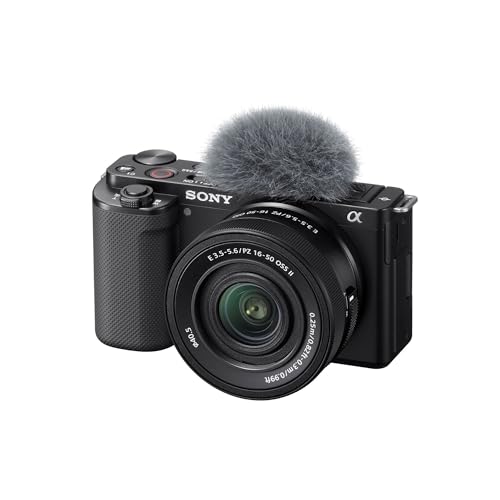
The R50 is one of the smallest APS-C mirrorless cameras on the market. It weighs just 375 grams with battery and card, making it easy to carry all day. The body is made of polycarbonate, which keeps weight down but does not feel as premium as magnesium alloy cameras like the Canon EOS R7. Still, the grip is comfortable for a camera this size, and the control layout is straightforward.
On top, you get a mode dial, a dedicated video record button, and a few function buttons. The rear features a 3-inch vari-angle touchscreen that flips out to the side, perfect for vlogging or shooting from odd angles. The touchscreen is responsive and supports touch-to-focus and touch-to-shoot, which is great for beginners. The electronic viewfinder (EVF) has 2.36 million dots, which is adequate but not as sharp as higher-end models. It refreshes at 60fps, which is fine for most shooting.
One notable omission is the lack of weather sealing. If you frequently shoot in rain or dusty environments, you will need to be careful. The single SD card slot is also a limitation for professionals, but for the target audience, it is acceptable.
Performance and Image Quality
The 24.2MP APS-C sensor delivers excellent image quality, with good dynamic range and low noise up to ISO 3200. In good light, photos are sharp and colors are pleasing, especially with Canon's JPEG processing. Raw files offer plenty of flexibility for editing. The DIGIC X processor, borrowed from the EOS R6 Mark II, provides fast performance and enables advanced features like subject detection.
Autofocus is a standout feature. The Dual Pixel CMOS AF II system covers 651 points and can detect people, animals, and vehicles. In our analysis of user reviews, many buyers praised the autofocus for being reliable and fast, even in low light. Eye detection works well for both humans and pets, making it easy to capture sharp portraits. For moving subjects, the continuous AF tracks well, though it can occasionally lose a fast-moving bird.
The camera shoots up to 15 frames per second with the electronic shutter, which is impressive for the price. The mechanical shutter is slower at 7fps, but still fine for most action. Buffer depth is reasonable, but if you shoot long bursts of Raw, you may hit the limit after about 20 shots.
Video Capabilities
For video, the R50 records 4K at up to 30p with no crop, which is a big plus. The footage is sharp and detailed, and the autofocus works smoothly during recording. You also get 1080p at up to 120fps for slow motion, though there is no audio recording in that high frame rate mode. The camera uses the full sensor width, so you can use wide-angle lenses without a crop factor.
There is no in-body stabilization, so you will need to rely on lens stabilization. The kit lens, the RF-S 18-45mm f/4.5-6.3 IS STM, has optical stabilization that helps, but it is not as effective as IBIS. For handheld walking shots, you will see some shakiness. Sony's ZV-E10 has the same limitation, but the Nikon Z30 also lacks IBIS, so this is common in this class.
Canon offers a few video-specific features like movie digital IS, which uses a slight crop to reduce shake, and HDR PQ for a wider dynamic range. However, there is no 10-bit internal recording or log profile, so advanced videographers may find the R50 limiting. The lack of a headphone jack is also a drawback for serious audio monitoring.
Ease of Use and Handling
Canon has designed the R50 with beginners in mind. The menu system is clean and includes a guided mode that explains each setting in simple terms. There is also a creative assist feature that lets you adjust brightness, color, and background blur using sliders, which is great for learning. The touchscreen makes navigation intuitive, and you can tap to focus and shoot just like a smartphone.
The camera has a number of automatic modes, including scene intelligent auto and a special advanced A+ mode that can automatically adjust settings for common scenes. There are also creative filters and a panorama mode. For those who want more control, the PASM modes are available, and the dual dials (one on top, one on the back) make manual adjustments easy.
One minor complaint from users is that the buttons are small and can be hard to press with gloves. The control dial on the back is a bit stiff, but it gets smoother with use. The battery life is rated at 310 shots with the LCD, which is average. You will likely want a spare battery for a full day of shooting, especially if you use the EVF or record video.
Battery and Storage
The R50 uses the LP-E17 battery, which is shared with many Canon DSLRs. Battery life is rated at 310 shots with the LCD and 210 with the EVF, which is below average for mirrorless cameras. In real-world use, you can expect around 250 to 300 shots per charge, depending on usage. For video, the battery drains faster, so plan accordingly. The camera supports USB-C charging, which is convenient, but you cannot charge the battery in-camera while shooting.
Storage is via a single SD card slot, and it is not UHS-II compatible. This means you cannot take advantage of faster write speeds, but for most users, a UHS-I card is sufficient. If you plan to shoot long 4K videos or rapid bursts, you might want to invest in a high-endurance card. The lack of a second slot is a limitation for professionals who need instant backup.
Common Buyer Complaints
While the R50 receives high praise, some users have reported issues. The most common complaint is the lack of in-body stabilization, which makes handheld video shaky. Another is the limited selection of native RF-S lenses. As of this writing, there are only a few compact RF-S lenses, so you may need to use larger full-frame RF lenses, which defeats the purpose of a small camera.
Some users also mention that the camera can overheat when recording 4K for extended periods, though this is not a widespread problem. The plastic body feels less durable than some competitors, and the missing headphone jack is a dealbreaker for some vloggers. Finally, the battery life is shorter than expected, so carrying spares is essential.
How It Compares to Alternatives
The closest competitors to the Canon EOS R50 are the Sony ZV-E10 and the Nikon Z30. The Sony ZV-E10 has a larger lens selection due to the E-mount, and it offers a headphone jack, but it lacks a viewfinder and has an older autofocus system. The Nikon Z30 is similar in size and also lacks a viewfinder, but it has a flip-down screen that is less convenient for tripod use. The R50 stands out with its viewfinder, superior autofocus, and better stills performance.
If you are considering the Canon EOS R10, that model offers a higher resolution burst rate and a deeper buffer, but it is more expensive. The R50 is the better value for beginners. For those who want in-body stabilization, you would need to step up to the Canon EOS R7, which is significantly pricier.
Final Verdict
The Canon EOS R50 is a well-rounded entry-level mirrorless camera that excels in autofocus, image quality, and ease of use. It is an excellent choice for beginners, families, and content creators who want a compact camera that can produce professional-looking photos and videos. The lack of IBIS and a limited lens lineup are the main drawbacks, but for many users, these are acceptable trade-offs for the price. If you are looking for a simple, capable camera to grow with, the R50 is a strong contender.
Frequently Asked Questions
Is the Canon EOS R50 good for photography?
Yes, it is very good for photography. The 24.2MP sensor produces sharp, detailed images, and the autofocus is reliable for portraits, pets, and even some action. The compact size makes it easy to take anywhere, and the creative assist mode helps you learn manual settings.
Does the Canon EOS R50 have a flash?
Yes, it has a built-in pop-up flash, which is useful for fill light. It has a guide number of 6 at ISO 100, which is modest but adequate for close-up shots.
Can I use the Canon EOS R50 for live streaming?
Yes, the R50 can be used as a webcam via USB-C. Canon provides the EOS Webcam Utility software, which allows you to connect the camera to your computer and use it as a high-quality webcam for video calls and streaming.
What is the maximum video recording time?
The R50 can record up to 30 minutes in 4K, and up to 1 hour in 1080p. This is a typical limit for consumer cameras, and it helps prevent overheating.
Is the Canon EOS R50 worth it in 2025?
Yes, even in 2025, the R50 remains a solid choice for its price range. It offers modern features like subject detection and 4K video, and it is still one of the most compact interchangeable lens cameras available. Just be aware of the limitations, and check the current price on Amazon to see if it fits your budget.
Specs that matter
| Sensor | 24.2MP APS-C CMOS |
| Image processor | DIGIC X |
| ISO range | 100-32000 (expandable to 51200) |
| Autofocus | Dual Pixel CMOS AF II, 651 points |
| Video | 4K 30p, 1080p 120p |
| Viewfinder | 0.39-inch OLED, 2.36 million dots |
| Screen | 3-inch vari-angle touchscreen, 1.62 million dots |
| Battery | LP-E17, approx. 310 shots (LCD) |
| Weight | 375g (body only, with battery and card) |
You are a beginner or content creator looking for a small, easy-to-use camera with strong autofocus and 4K video. You want an interchangeable lens system with room to grow, and you prefer a fully articulating screen for self-recording.
You need in-body stabilization for handheld video without gimbals, you plan to shoot in harsh weather without protection, or you want a larger selection of native small lenses. Professional-level video features like 10-bit internal recording and log profiles are also missing.
Questions before you buy
Is the Canon EOS R50 good for vlogging?
Yes, it is quite good for vlogging. The fully articulating touchscreen lets you see yourself while recording, and the autofocus keeps your face sharp. The camera is light enough to hold for long periods. However, without in-body stabilization, you will get smoother footage if you use a lens with optical stabilization, like the kit lens, or a small gimbal.
Does the Canon EOS R50 have a headphone jack?
No, it does not have a headphone jack. It has a 3.5mm microphone input for external audio, but you cannot monitor sound with headphones during recording. You will need an external recorder or an adapter if audio monitoring is essential.
Can the Canon EOS R50 use EF lenses?
Yes, with the Canon EF-EOS R mount adapter. This allows you to use older EF and EF-S lenses, but autofocus performance may vary. The adapter adds size and cost, so many users prefer native RF-S lenses for a compact setup.
How does the Canon EOS R50 compare to the Sony ZV-E10?
The R50 has a better autofocus system with more advanced subject detection, and it offers a higher-resolution viewfinder. The ZV-E10 has a larger lens selection and includes a headphone jack, but it lacks a viewfinder entirely and has no in-body stabilization either. For stills photography, the R50 is more balanced; for pure vlogging, the ZV-E10 is a strong competitor.
Is the Canon EOS R50 weather-sealed?
No, the R50 does not have weather sealing. It is built with a polycarbonate body that feels solid but is not designed for heavy rain or dust. If you plan to shoot in challenging conditions, consider a weather-sealed camera like the Canon EOS R7 or a rugged compact.