Digital Cameras
Best Cameras Under $300 for Every Need
5 picks compared
8 min read
ProductPickly is reader-supported. When you buy through links on our site, we may earn an affiliate commission at no extra cost to you. It never changes our picks.
The short answerOur top pick is the Canon PowerShot SX740 HS. It offers a 40x optical zoom, 4K video, and a compact body, making it the most versatile camera under $300. For vlogging, the Sony ZV-1 is a close second with its flip screen and excellent autofocus.
?How we pickedWe compare published specifications, safety certifications and thousands of verified owner reviews, and we do not physically test every unit. Read the full process in our review methodology.
Canon PowerShot SX740 HS
★★★★★ 4.7 / 5 Best overall
The Canon PowerShot SX740 HS packs a 40x optical zoom and 4K video into a pocketable body. It's the most versatile camera under $300, perfect for travel, family events, and everyday shooting.
Sensor 20.3MP 1/2.3-inch CMOSZoom 40x optical (24-960mm equiv.)Video 4K at 30pScreen 3-inch tilting LCD
- Excellent 40x zoom for the price
- 4K video recording
- Compact and lightweight
- Tilting screen for selfies
- Small sensor struggles in low light
- No viewfinder
- Battery life could be better
Best for: Travelers and families who want a powerful zoom in a compact camera.
Buy it if: If you need a versatile camera for vacations, wildlife, and everyday moments, this is the best choice under $300.
Skip it if: If you plan to shoot in low light often or want a viewfinder, consider a used mirrorless camera instead.
Alternative to consider: Sony ZV-1 for vlogging
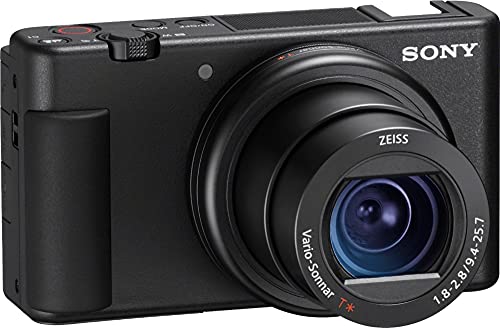
Sony ZV-1
★★★★★ 4.5 / 5 Best for vlogging
The Sony ZV-1 is a vlogger's dream with a 1-inch sensor, flip-out screen, and industry-leading autofocus. It delivers excellent video quality and smooth subject tracking, all in a compact body.
Sensor 20.1MP 1-inch CMOSLens 24-70mm equiv. f/1.8-2.8Video 4K at 30p, 1080p at 120pScreen 3-inch vari-angle touch LCD
- Large 1-inch sensor for better image quality
- Flip-out screen for vlogging
- Real-time Eye AF for humans and animals
- Built-in ND filter for video
- No viewfinder
- Short battery life (about 45 min video)
- Zoom range is limited compared to others
Best for: Content creators and vloggers who prioritize video quality and ease of use.
Buy it if: If you create YouTube videos or TikTok content and want a compact camera with top-notch autofocus, this is it.
Skip it if: If you need a long zoom for wildlife or sports, look elsewhere.
Alternative to consider: Canon PowerShot SX740 HS for zoom
Kodak PIXPRO WPZ2
★★★★★ 4.3 / 5 Best rugged
The Kodak PIXPRO WPZ2 is a rugged, waterproof camera that can go anywhere. It's shockproof, freeze-proof, and dustproof, making it perfect for adventures and underwater shots.
Sensor 16.35MP 1/2.3-inch CMOSZoom 4x optical (27-108mm equiv.)Waterproof Up to 15m (50ft)Video 1080p full HD
- Waterproof to 15m without a housing
- Shockproof and freeze-proof
- Simple to use
- Affordable rugged option
- Image quality is average in low light
- No 4K video
- Small zoom range
Best for: Outdoor enthusiasts, snorkelers, and families who need a durable camera.
Buy it if: If you want to capture underwater memories or need a camera that can handle drops and rough conditions, this is for you.
Skip it if: If you're looking for high-quality photos or 4K video, consider a different type.
Alternative to consider: GoPro HERO (if action camera is acceptable)
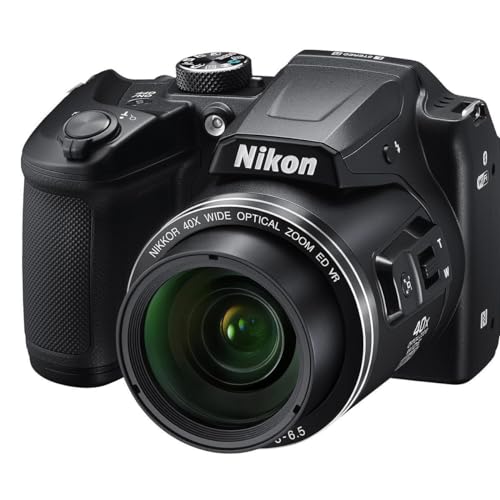
Nikon COOLPIX B500
★★★★★ 4.2 / 5 Best superzoom budget
The Nikon COOLPIX B500 offers a 40x optical zoom and uses AA batteries, making it a budget-friendly superzoom. It's easy to use and great for beginners who want to shoot distant subjects.
Sensor 16MP 1/2.3-inch CMOSZoom 40x optical (22.5-900mm equiv.)Video 1080p full HDBattery 4x AA batteries
- Long 40x zoom for the price
- AA batteries are easy to replace
- Tilting LCD screen
- Bluetooth and Wi-Fi built-in
- No viewfinder
- AA batteries can be heavy and less efficient
- Image quality drops at full zoom
Best for: Beginners who want a superzoom without spending a lot.
Buy it if: If you're new to photography and want to capture birds, sports, or distant landscapes, this is a great starting point.
Skip it if: If you need 4K video or a compact camera for travel, look at other options.
Alternative to consider: Canon PowerShot SX740 HS for 4K
Panasonic Lumix DC-ZS70
★★★★★ 4.4 / 5 Best travel compact
The Panasonic Lumix DC-ZS70 is a pocket-friendly travel camera with a 30x zoom and a touchscreen. It offers 4K video and a useful viewfinder, making it a solid all-rounder for travelers.
Sensor 20.3MP 1/2.3-inch MOSZoom 30x optical (24-720mm equiv.)Video 4K at 30pScreen 3-inch touch LCD, 180-degree tilt
- 30x zoom in a compact body
- 4K video and 4K photo modes
- Touchscreen with focus peaking
- Electronic viewfinder (EVF) included
- EVF is small and not great for glasses wearers
- Battery life is average
- No microphone input
Best for: Travelers who want a compact camera with a versatile zoom and 4K video.
Buy it if: If you're going on a trip and want to pack light but still get good zoom and video, this is a great choice.
Skip it if: If you plan to shoot vlogs with external audio, look for a camera with a mic input.
Alternative to consider: Sony ZV-1 for vlogging
Finding a quality camera under $300 can feel overwhelming with so many options. Our editorial team compared specifications, buyer feedback, and key decision factors to bring you the best cameras under $300 for every need. Whether you're a traveler, vlogger, or outdoor enthusiast, there's a perfect budget camera for you.
Buying Guide: What to Look For Under $300
Before you buy, understand what features matter most for your photography style.
Sensor Size Matters
A larger sensor captures more light, producing better image quality, especially in low light. In this price range, you'll find 1/2.3-inch sensors (common in compact zooms) and 1-inch sensors (like in the Sony ZV-1). The 1-inch sensor is a significant upgrade, but it often comes with a shorter zoom.
Zoom Range vs. Portability
If you shoot wildlife or sports, a long optical zoom (like 40x) is crucial. But those cameras are bulkier. For everyday carry, a 30x zoom in a compact body is a good compromise. Check the optical zoom, not digital zoom, which degrades quality.
Video Capabilities
4K video is becoming standard, but not essential. If you plan to edit or crop footage, 4K gives you flexibility. Also, look for features like microphone input and stabilization if you vlog. The Sony ZV-1 excels here.
Screen and Viewfinder
A tilting or fully articulating screen helps for selfies and vlogging. A viewfinder is handy in bright sunlight, but rare under $300. The Panasonic ZS70 includes one, but it's small.
Battery Life
Consider how long you'll be shooting. AA batteries (like the Nikon B500) are easy to replace but heavier. Proprietary batteries are lighter but need charging. Always carry a spare if you shoot a lot.
Common Mistakes to Avoid
- Ignoring lens quality: A high megapixel count doesn't matter if the lens is soft. Read reviews about image sharpness.
- Overlooking low light performance: If you shoot indoors or at night, a larger sensor is more important than zoom.
- Buying for megapixels: 20MP is plenty for most uses. Don't be swayed by 24MP or 30MP marketing.
- Forgetting about ergonomics: A camera that's uncomfortable to hold will stay at home. Try it in a store if possible.
- Not considering used options: A used mirrorless camera with a kit lens can outperform a new compact. Just factor in lens costs.
Final Thoughts
Your perfect camera under $300 depends on your priorities. The Canon PowerShot SX740 HS is the best all-rounder, but the Sony ZV-1 is unbeatable for vlogging. For rugged adventures, the Kodak WPZ2 is a fun choice. Whatever you pick, focus on the features that match your shooting style.
Questions people ask
Can I get a good camera under $300?
Yes, absolutely. While you won't get a full-frame mirrorless, there are excellent compact cameras and bridge cameras that deliver great photos and videos. Look for models with large sensors (like 1-inch) or long zoom ranges, depending on your needs.
What specs matter most under $300?
Key specs include sensor size (larger is better), optical zoom range, video resolution (4K is nice but not essential), and screen articulation. Also consider battery life and whether the camera has a viewfinder, as these affect usability.
Are used cameras a better value?
Often, yes. You can find used mirrorless cameras like the Sony A6000 or Canon EOS M50 for around $300, which offer better image quality than most new compacts. However, you'll need to buy lenses separately, so factor in that cost.
Do I need a 4K camera under $300?
Not necessarily. 4K is great for future-proofing and cropping, but if you mainly share on social media, 1080p is fine. Just ensure the camera has good stabilization if you shoot handheld video.
What is the best camera for vlogging under $300?
The Sony ZV-1 is the top pick for vlogging due to its flip screen, excellent autofocus, and good audio options. If you need a waterproof option for adventure vlogging, the Kodak WPZ2 is a rugged alternative.
The bottom lineSo which one?
The Canon PowerShot SX740 HS is the best all-around camera under $300, offering an unbeatable zoom and 4K video in a compact body. For vloggers, the Sony ZV-1 is a worthy alternative. Consider your primary use case and choose accordingly.