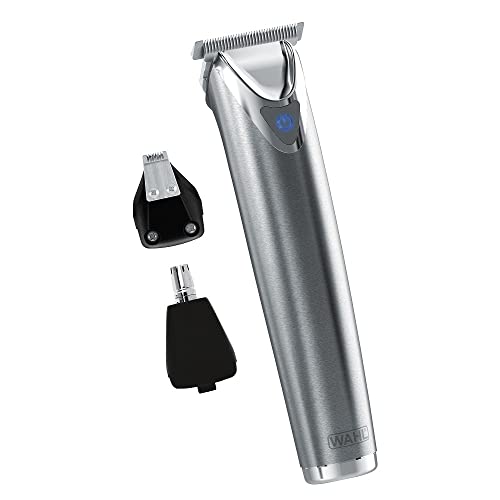
Clean and oil the blades first. If pulling persists, replace dull blades and always trim in the direction of hair growth.
Why Your Beard Trimmer Pulls Hair
Beard trimmers are designed to cut hair cleanly, but when they start pulling, it is usually a sign of one or more underlying issues. Our editorial team compared specifications, buyer feedback and key decision factors to identify the most common culprits. Understanding these causes is the first step to a pain-free grooming experience.
Dull Blades
Over time, the blades on your trimmer become blunt from repeated use. Instead of slicing through hair, they crush or snag it, causing a painful tug. Dull blades are the number one cause of hair pulling. Most trimmer blades are made of stainless steel or ceramic, and neither can be sharpened effectively at home. Once dull, replacement is the only real fix. For example, a trimmer used daily for six months will likely have significantly dulled blades, especially if it has not been oiled regularly. Even premium self-sharpening blades eventually lose their edge after many months of use.
Dirty Trimmer Head
Hair clippings, skin cells, and dried oil accumulate between the blades. This buildup creates friction and prevents the blades from moving freely. A dirty trimmer head forces the blades to work harder, leading to uneven cuts and pulling. Regular cleaning after each use is essential to prevent this. For instance, if you skip cleaning for a week, you may notice a layer of debris that visibly slows the blade movement. Using a small brush to remove clippings after every trim can extend the life of your blades significantly.
Lack of Lubrication
Trimmer blades require oil to reduce friction and heat. Without proper lubrication, the metal surfaces grind against each other, causing drag that pulls hair. Many users forget to oil their trimmer, especially if they use it infrequently. A few drops of lightweight machine oil or trimmer-specific oil can make a huge difference. For example, applying oil before each use can keep the blades gliding smoothly, while neglecting it for a month may lead to noticeable pulling and a burning smell from friction.
Wrong Technique
Even a well-maintained trimmer can pull hair if you use it incorrectly. Common mistakes include trimming against the grain, moving too slowly, pressing too hard, or using the trimmer on wet or tangled hair. Proper technique is just as important as tool maintenance. For example, trimming against the grain on a coarse beard can cause the blades to catch and pull each hair individually, resulting in a painful experience. Instead, always trim with the grain and use light, quick strokes.
How to Fix a Beard Trimmer That Pulls Hair
Follow these steps in order to resolve the issue. Most fixes are simple and take only a few minutes.
- Clean the blades thoroughly. Remove the blade assembly if possible. Use the small brush that came with your trimmer to dislodge hair and debris. For stubborn buildup, dip the blades in rubbing alcohol for a few minutes, then brush again. Let them dry completely. For example, if you see a thick mat of hair between the blades, use a toothpick or tweezers to gently remove it before brushing.
- Oil the blades. Apply 1-2 drops of trimmer oil or sewing machine oil to the blade teeth and the pivot point. Run the trimmer for a few seconds to distribute the oil. Wipe away any excess with a clean cloth. Be careful not to over oil, as excess can attract more dirt.
- Check for blade alignment. Misaligned blades can cause pulling. Ensure the moving blade sits correctly over the stationary blade. Refer to your manual for alignment instructions. Some trimmers have a screw that allows adjustment. For instance, if the moving blade is shifted to one side, it may only cut with part of its edge, leading to uneven trimming and snagging.
- Replace dull blades. If cleaning and oiling do not stop the pulling, the blades are likely dull. Purchase replacement blades compatible with your trimmer model. Snap-on or screw-on replacements are widely available. If replacement blades are not available, consider buying a new trimmer. For example, many popular trimmers like the Wahl or Philips Norelco have affordable replacement heads that restore cutting performance.
- Adjust your technique. Always trim with the grain (in the direction of hair growth). Use quick, light strokes instead of slow, heavy passes. Make sure your beard is clean, dry, and combed before trimming. Avoid pressing the trimmer hard against your skin. For example, if you have a thick beard, trim in stages: use a longer guard first, then gradually go shorter, always moving the trimmer swiftly.
- Consider upgrading your trimmer. If your trimmer is old or low-quality, even maintenance may not fix the pulling. Look for models with self-sharpening blades, ceramic blades, or a reputation for smooth cutting. Check the current price on Amazon for highly rated options. For instance, a trimmer with titanium-coated blades may stay sharp longer and reduce pulling.
When to Replace Your Beard Trimmer
If you have tried cleaning, oiling, and adjusting your technique but the trimmer still pulls hair, it is time for a replacement. Other signs include excessive noise, overheating, or blades that no longer stay sharp after cleaning. Most budget trimmers last 6 to 12 months with regular use, while premium models can last several years with proper care. Do not wait until the pulling becomes unbearable. A new trimmer is a worthwhile investment for your comfort and grooming results. For example, if your trimmer is over a year old and has been used weekly, the motor may also be weakening, contributing to inconsistent cutting speed and pulling.
Preventive Maintenance Tips
To avoid future pulling, incorporate these habits into your grooming routine. First, clean the trimmer after every use by brushing out hair and wiping the blades with a dry cloth. Second, oil the blades before each use or at least once a week if you trim less often. Third, store the trimmer in a dry place, preferably with a blade guard, to prevent dust and moisture buildup. Fourth, replace blades proactively every 3 to 6 months, depending on usage. For example, if you trim every other day, consider replacing blades every 4 months to maintain optimal sharpness. Finally, avoid dropping the trimmer, as impact can misalign the blades or damage the motor.