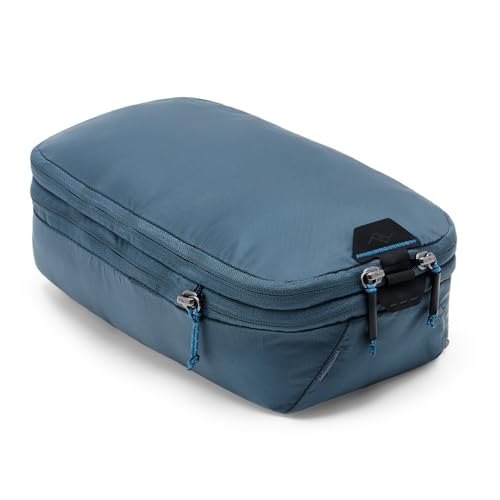
Packing cubes have become a staple for organized travelers, but with so many options, choosing the right set can be overwhelming. This guide breaks down the key factors: materials, zipper quality, compression vs regular, set sizes, and price ranges. By the end, you will know exactly what to look for based on your travel style and luggage type.
Why Use Packing Cubes
Packing cubes are lightweight fabric containers that compartmentalize your suitcase. They help you separate clean clothes from dirty ones, keep items from shifting during transit, and make unpacking a breeze. Instead of digging through a jumbled bag, you pull out a cube and place it in a drawer or shelf. This simple system saves time and reduces stress, especially when you are hopping between hotels or using a carry-on.
Beyond organization, cubes can also maximize space. By packing items tightly into cubes, you eliminate air gaps and use every inch of your luggage. Some travelers even use cubes to compress clothes, which we will discuss later. For anyone who wants a more orderly travel experience, cubes are a worthwhile investment.
Material Matters: Nylon, Polyester, Mesh
The material of your packing cubes affects durability, weight, water resistance, and breathability. Here is a breakdown of the most common options.
Nylon Packing Cubes
Nylon is a synthetic fabric known for its strength and resilience. It resists abrasion, tears, and water, making it ideal for rugged travel. Nylon cubes are often slightly more expensive but last longer. They also have a smooth texture that slides easily into tight spaces. If you are a frequent flyer or tend to overpack, nylon is a solid choice.
Polyester Packing Cubes
Polyester is another synthetic fabric, but it is generally cheaper than nylon. It is also durable and resists wrinkles and shrinking. However, polyester is less water-resistant and can feel stiffer. For budget-conscious travelers, polyester cubes offer good value. Many popular sets use polyester because it balances cost and performance.
Mesh Packing Cubes
Mesh is not a standalone material but a woven fabric with small holes, often used for the top panel of a cube. Mesh provides visibility, so you can see what is inside without opening it. It also allows air circulation, which is great for damp clothes or shoes. However, mesh is less durable and offers little protection from water. Many cubes combine a solid nylon or polyester base with a mesh top for the best of both worlds.
When choosing material, consider your travel environment. If you expect rain or spills, prioritize water-resistant nylon. If you need to see items quickly, opt for mesh panels. For most travelers, a blend of nylon and mesh is the sweet spot.
Zipper Quality and Construction
The zipper is the most stressed part of a packing cube. A cheap zipper can snag, break, or pop open, ruining your organization. Look for cubes with YKK zippers, a brand known for reliability. The zipper should glide smoothly without catching on fabric. Also check the zipper pull: it should be sturdy and easy to grip, even with cold hands.
Beyond the zipper, examine the stitching. Double-stitched seams are stronger and less likely to unravel. Reinforced corners and stress points add durability. The fabric should be tightly woven to prevent small items from poking through. A well-constructed cube will withstand years of use, while a flimsy one may fall apart after a few trips.
Another detail is the zipper track. Some cubes have a zipper that goes around three sides, allowing the cube to open flat like a book. This design makes packing and unpacking easier. Others have a single top zipper, which is fine but less accessible. Consider how you plan to use the cube: if you want to see everything at once, a U-shaped zipper is better.
Compression vs Regular Cubes
Compression cubes have an extra zipper that cinches down the cube after you close it, squeezing out air and reducing volume by up to 30%. This is a game-changer for bulky items like jackets, sweaters, or jeans. However, compression cubes are heavier and can wrinkle clothes more. They also require more effort to pack.
Regular cubes simply organize your items without compressing. They are lighter, simpler, and often cheaper. If you are not struggling for space, regular cubes are perfectly fine. Many travelers use a mix: regular cubes for most items and a compression cube for bulky gear.
When deciding, think about your luggage type. If you use a carry-on with strict size limits, compression can help you fit more. If you check a large suitcase, you may not need compression. Also consider the weight: airlines weigh bags, and compression adds a few ounces per cube. For most trips, regular cubes are sufficient, but compression is a handy feature for specific needs.
Set Sizes and What to Choose
Packing cubes come in sets with various sizes. A typical set includes: a large cube (about 17.5 x 12.5 x 4 inches), a medium cube (13.5 x 10 x 4 inches), a small cube (11 x 7 x 4 inches), and sometimes a slim or garment folder. The exact dimensions vary by brand.
When choosing sizes, consider your luggage dimensions. For a carry-on suitcase (around 22 x 14 x 9 inches), a set of three cubes fits well: large on the bottom, medium on top, small in a corner. For a larger checked bag, you can use bigger cubes or more of them.
Also think about what you pack. If you mostly pack t-shirts and shorts, a set of medium and small cubes works. If you pack bulky sweaters or jackets, a large cube is essential. Some brands offer sets with a mix of sizes, so you can customize. Look for sets that include a dirty laundry cube or a shoe bag for extra functionality.
Another factor is the shape. Some cubes are rectangular, others are square. Rectangular cubes fit better in standard suitcases, while square cubes are more versatile for backpacks. Measure your luggage and visualize how the cubes will fit. You want a snug fit without wasted space.
Price Ranges and Value
Packing cubes range from budget to premium. Budget sets (under $20) are usually made of polyester with basic zippers. They work fine for occasional travel but may not last long. Mid-range sets ($20 to $40) offer better materials like ripstop nylon, YKK zippers, and reinforced seams. These are the best value for most travelers, balancing cost and durability.
Premium sets ($40 and up) feature high-end fabrics, advanced compression, and thoughtful design details like double zippers or water-resistant coatings. They are ideal for frequent flyers or those who want the best. However, you can often find excellent mid-range options that perform just as well.
When evaluating price, consider the cost per cube. A set of four cubes for $30 is about $7.50 per cube, which is reasonable. Also check the warranty. Some brands offer lifetime warranties, which add value. Remember, you do not need to spend a fortune to get quality cubes. Read reviews and compare features to find the best fit for your budget.
Our editorial team compared specifications, buyer feedback, and key decision factors to help you choose. Always check the current price on Amazon, as prices fluctuate.
Frequently Asked Questions
Are compression packing cubes worth it?
Compression cubes save space by squeezing out air, ideal for bulky items like jackets or sweaters. They are worth it if you pack heavy or use a carry-on only. However, they add weight and can wrinkle clothes more. Regular cubes are lighter and simpler for most travelers.
What is the best material for packing cubes?
Nylon is durable, water-resistant, and lightweight, making it a top choice. Polyester is cheaper and also durable but less breathable. Mesh panels offer visibility and ventilation, often combined with nylon or polyester for the main body. Choose based on your budget and need for see-through organization.
How many packing cubes do I need for a week trip?
For a week, a set of 3 to 5 cubes works well: one large for clothes, one medium for underwear and socks, one small for toiletries or electronics, and maybe a slim cube for chargers. Adjust based on your packing style and luggage size.