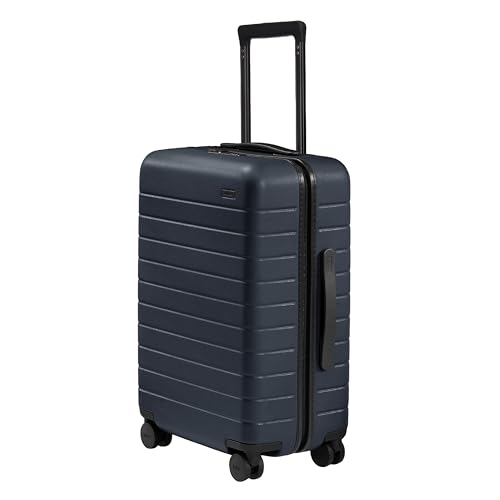
Most carry-on wheel problems can be fixed at home with basic tools, but if the wheel is cracked or the axle is bent, you may need to replace the wheel or contact the manufacturer.
A broken wheel on your carry-on can turn a smooth trip into a frustrating drag. Whether you're rolling through a crowded airport or navigating a cobblestone street, a faulty wheel can ruin your journey. But before you panic or consider buying a new suitcase, know that many wheel issues are fixable. Our editorial team compared specifications, buyer feedback, and key decision factors to bring you this practical guide. We'll walk you through diagnosing common problems, step-by-step repair instructions, when to contact the manufacturer, how to choose replacement wheels, and tips to prevent future damage.
Why Carry-On Wheels Break: Common Causes
Understanding why wheels fail helps you fix them and avoid future issues. Here are the most frequent culprits:
- Overloading: Exceeding the weight limit puts stress on the wheel axles and bearings.
- Rough surfaces: Dragging over curbs, gravel, or uneven pavement can crack wheels or bend axles.
- Poor design: Some luggage brands use thin plastic wheels that are prone to breaking.
- Lack of maintenance: Dirt and hair can wrap around the wheel axle, causing friction and wear.
- Impact damage: Dropping the bag or hitting it against hard objects can dislodge or crack wheels.
If you notice a wheel wobbling, making noise, or not rolling smoothly, it's time to inspect it. Early detection can save you from a mid-trip failure.
How to Diagnose the Problem
Before you start repairing, identify the specific issue. Here's a quick checklist:
- Visual inspection: Look for cracks, missing chunks, or debris stuck in the wheel.
- Spin test: Turn the wheel by hand. Does it spin freely? If it's stiff, the bearing may be dirty or worn.
- Wobble test: Gently push the wheel side to side. Excessive movement indicates a loose axle or broken bearing.
- Noise check: Roll the bag on a hard floor. Squeaking or grinding sounds signal friction or damage.
If the wheel is cracked or the axle is bent, you'll likely need a replacement. If it's just dirty or has hair wrapped around it, a simple cleaning might solve the problem.
How to Fix Common Wheel Issues
Here are step-by-step instructions for the most common fixes. Always ensure your bag is empty and you have a clean, flat workspace.
Cleaning and Lubricating Wheels
- Remove any visible debris, hair, or thread from the wheel axle using tweezers or a small screwdriver.
- Wipe the wheel and axle with a damp cloth to remove dirt.
- Apply a small amount of silicone lubricant spray or sewing machine oil to the axle. Avoid oil-based lubricants that attract dirt.
- Spin the wheel to distribute the lubricant, then wipe off any excess.
- Test the wheel on a flat surface.
This simple fix often resolves squeaking and stiffness.
Tightening Loose Wheels
- Locate the screw or rivet that holds the wheel in place. It's usually on the inside of the wheel housing.
- Use a Phillips or flathead screwdriver to tighten the screw. If it's a rivet, you may need to replace it with a screw and nut.
- If the wheel still wobbles, the axle might be worn. In that case, a replacement wheel is the better option.
Replacing a Wheel
- Order a replacement wheel that matches your luggage brand and model. Check the manufacturer's website or Amazon for compatible parts.
- Remove the old wheel by unscrewing the screw or prying off the rivet. Some wheels pop out with a gentle tug.
- Clean the wheel housing and inspect the axle for damage.
- Install the new wheel, ensuring it snaps or screws in securely.
- Test the wheel by rolling the bag.
If you're not comfortable doing this yourself, a luggage repair shop can do it for a nominal fee.
When to Contact the Manufacturer
If your carry-on is still under warranty, contact the manufacturer before attempting any repair. Most reputable brands offer a limited warranty that covers wheel defects. Have your purchase date and serial number ready. If the damage is due to normal wear and tear, the warranty may not cover it, but they might offer a discounted replacement part. Also, contact the manufacturer if the wheel is integrated into the shell and cannot be removed without damaging the bag.
How to Choose Replacement Wheels
When buying replacement wheels, consider these factors:
- Compatibility: Ensure the wheel fits your luggage model. Measure the wheel diameter and axle width.
- Material: Polyurethane or rubber wheels are quieter and more durable than hard plastic.
- Bearing type: Ball bearings provide smoother rolling and last longer.
- Ease of installation: Some wheels come with screws, others need rivets. Choose one that matches your skill level.
Read customer reviews to see how the wheels hold up on rough surfaces. A higher-quality wheel might cost a bit more but can extend the life of your luggage.
Preventing Future Wheel Damage
To avoid repeating the problem, follow these tips:
- Don't overload: Stay within the weight limit recommended by the manufacturer.
- Roll, don't drag: Lift the bag over curbs and rough patches.
- Keep wheels clean: Wipe them after each trip and remove any debris.
- Store properly: Store your carry-on upright or on a soft surface to avoid putting pressure on the wheels.
- Use a protective cover: A luggage cover can shield wheels from scratches and impacts.
Regular maintenance can significantly extend the life of your wheels.
When to Consider a New Carry-On
If your carry-on is old, other parts are failing, or the cost of replacement wheels is close to the price of a new bag, it might be time to invest in a new one. Modern carry-ons often come with better wheel designs, like spinner wheels that are more durable and easier to maneuver. When shopping, look for features like reinforced wheel housings and high-quality bearings. Check the current price on Amazon to compare options.
Remember, a broken wheel is not the end of your carry-on's life. With the right tools and a little know-how, you can often fix it yourself and get back to traveling smoothly.
