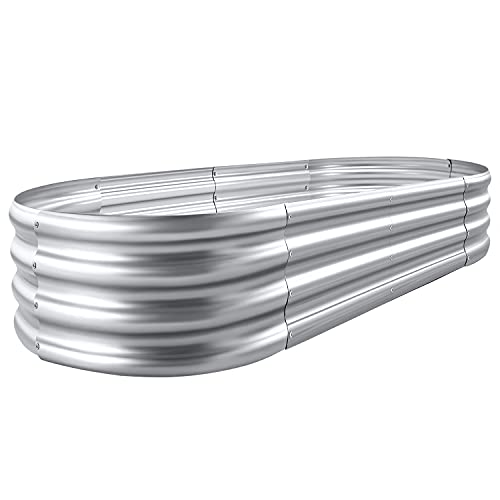
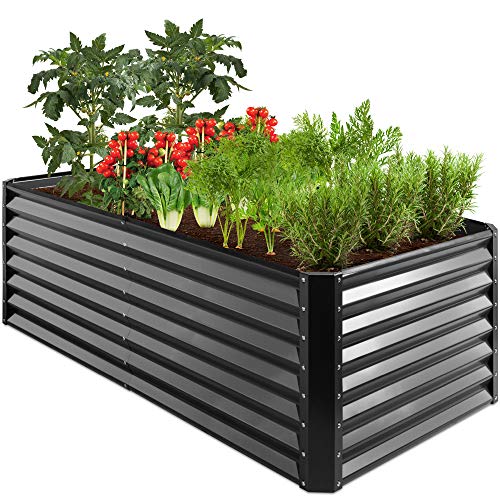
If you want one raised garden bed that handles the widest range of plans without fuss, the Land Guard Galvanized Raised Garden Bed Kit is the pick we keep coming back to. Its oval galvanized steel shell gives you a generous growing footprint, it drains straight into the soil below, and the panel kit goes together with hand tools in an afternoon. The rest of this guide covers six more beds for patios, apartments, deep rooted crops, and full seasonal plots, plus exactly what separates a bed that lasts from one that buckles after a season.
Why the right raised bed matters more than the plants
A raised garden bed is really just a container that lifts your soil above compacted, rocky, or poor native ground. That simple change solves a surprising number of problems. You control the soil mix from day one, so drainage and fertility are no longer a gamble. The raised height saves your knees and back during planting and weeding. Warmer spring soil lets you start a few weeks earlier. And a defined edge keeps grass, pets, and foot traffic out of the growing space.
The trade off is that the bed itself has to survive weather, moisture, and the constant pressure of damp soil pushing outward. That is where material and build quality decide whether you are buying once or buying again. Every product in this guide is a galvanized metal bed, a category that has largely replaced cheap plastic and short lived softwood for good reasons we explain below.
Matching a bed to your space
Not every garden needs the same bed. On a patio or balcony, a single compact 4 by 2 foot box like the Utopia Home kit sits neatly against a wall and still grows a respectable crop of herbs, salad greens, or a couple of tomato plants. For a small raised bed vegetable garden, a taller deep root box such as the Best Choice Products 6 by 3 foot bed gives roots room to run and holds enough volume for root crops and staked plants.
If you are working a compact seed starting shelf or want to spread risk across a few plantings, a two pack of shorter beds like the SnugNiture set lets you rotate and separate crops. Renters and apartment gardeners often prefer an oval, lighter footprint such as the Rakukiri recycled steel planter, which reads less industrial on a shared terrace. And for a full seasonal growing plan, matched multi packs like the Meberam two pack let you lay out rows and plan rotations without mixing shapes and heights.
How we picked these raised garden beds
We build this list by working through the raised garden beds currently listed on Amazon US and comparing them on the specifications that actually predict satisfaction: the gauge and coating of the metal, the usable footprint and depth, the shape, how many beds come in a pack, and how the panels fasten together. We read the listing details, the manufacturer descriptions, and the pattern of owner feedback to understand where each bed fits.
To be clear about our method, we select from current Amazon listings by features and specifications, and we have not physically assembled and grown in every unit here. We do not accept payment to place a product higher, we do not invent measurements, and where a listing does not state something we leave it out rather than guess. Our aim is to narrow a crowded category down to a short, honest shortlist so you can match a bed to your space and move on to the fun part, which is planting.
What to look for in a raised garden bed
Material
Raised beds come in metal, wood, and fabric. Galvanized steel, the material used by every bed on this list, is coated with zinc that resists rust far longer than bare steel and does not rot like untreated wood or sag like fabric grow bags. Cedar and redwood look natural and insulate soil well, but they cost more and still break down over the years. Fabric beds are inexpensive and portable but need replacing often and dry out fast. For a fixed bed you want to keep for many seasons, coated metal is the most forgiving choice.
Size and depth
Footprint decides how much you can grow, and depth decides what you can grow. Shallow beds around one foot deep suit herbs, lettuce, and flowers. If you want carrots, potatoes, tomatoes, or anything with a serious root system, step up to a two foot deep box. Measure your real space before buying, and leave room to walk all the way around the bed.
Drainage
Most metal beds have an open bottom, so they drain into the ground beneath them, which is ideal on soil. On a hard patio you will want the bed to still shed water freely, so avoid sealing the base and consider raising it slightly off the slab. Good drainage is the single biggest defense against root rot.
Assembly
Panel kits bolt together, and the better ones include the hardware, edge protection, and clear instructions. Look for rolled or capped top edges, because raw cut steel can be sharp during assembly. A single box kit usually goes together in under an hour, while large or multi pack sets take longer and are easier with a second pair of hands.
Durability
Longevity comes down to coating quality and panel thickness. A thicker gauge resists denting and bowing when wet soil pushes outward, and a heavier zinc coating slows rust at the seams and cut edges, which is where corrosion starts. Beds described as rot resistant and made from recycled or certified steel, like the Rakukiri, tend to hold their shape well over time.
The bottom line
For most gardeners the Land Guard Galvanized Raised Garden Bed Kit is the easiest bed to recommend, because it balances a large, flexible footprint with straightforward assembly and solid galvanized construction. If you are tight on space or budget, the compact Utopia Home box covers the basics well, and if you are growing deep rooted crops the two foot Best Choice Products and Land Guard deep beds give roots the room they need. Measure your space, decide how deep your crops need to grow, and pick the bed that matches. Any of the beds here will get you gardening this season. For more options see our raised garden beds guide and the full tools and home improvement hub.