Dog toys collect dirt, saliva, and bacteria over time, which can lead to odors and even health issues. Regular cleaning keeps your pup safe and extends the life of their favorite playthings. Our editorial team compared manufacturer instructions, vet recommendations, and buyer feedback to bring you this practical guide. You will find step-by-step methods for rubber, rope, plush, and other toy types, plus clear signs that a toy needs replacing.
Why Clean Dog Toys
Dogs explore the world with their mouths, so toys become a breeding ground for germs. Saliva, food particles, and outdoor dirt stick to surfaces. If left uncleaned, mold and bacteria can develop, especially in plush and rope toys that hold moisture. A dirty toy can cause digestive upset if your dog ingests harmful microbes. Regular cleaning also removes allergens like pollen and dust, which helps dogs with sensitivities. Plus, a clean toy simply smells better for both you and your pet.
Cleaning frequency depends on how often your dog plays and where the toys go. Indoor toys used daily should be cleaned weekly. Outdoor toys may need cleaning after every heavy play session, especially if they get muddy. Rotate toys so you always have a clean set available. This routine keeps playtime safe and enjoyable.
Cleaning Rubber Toys
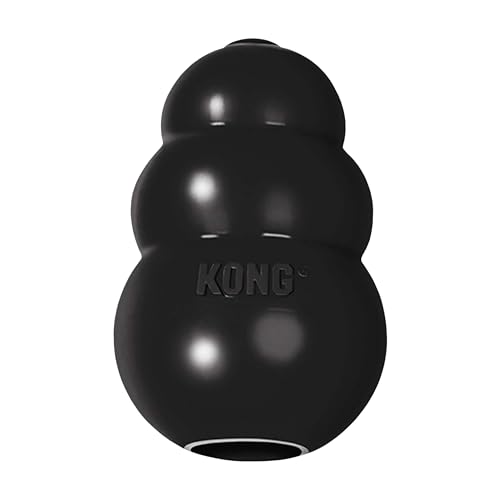
Rubber toys like Kongs, balls, and chew toys are durable and easy to clean. They can handle high temperatures and strong cleaning agents, but always check the label for specific instructions. Here is a step-by-step method for both dishwasher and hand washing.
Dishwasher Method
- Rinse the toy under warm water to remove loose debris.
- Place the toy on the top rack of your dishwasher. Avoid the bottom rack where heating elements can warp the rubber.
- Use a mild, fragrance-free detergent. Do not use rinse aids or bleach.
- Run a normal cycle with hot water. Skip the heated dry cycle to prevent melting.
- Remove the toy and let it air dry completely before giving it back to your dog.
Hand Washing Method
- Fill a basin with warm water and add a few drops of mild dish soap.
- Submerge the toy and scrub with a stiff brush or sponge. Pay attention to crevices where bacteria hide.
- Rinse thoroughly under running water to remove all soap residue.
- For deep cleaning, soak the toy in a 50/50 vinegar and water solution for 15 minutes, then rinse.
- Air dry completely before returning it to your dog.
For rubber toys with small holes, like a Kong, you can use a pipe cleaner to scrub the inside. Always inspect for cracks or tears after cleaning. Damaged rubber can break into pieces and pose a choking hazard.
Cleaning Rope Toys
Rope toys are great for dental health, but they trap saliva and food particles deep in the fibers. They require thorough cleaning to prevent mold and bacteria growth. Here are two effective methods.
Washing Machine Method
- Shake off loose dirt and debris.
- Place the rope toy in a mesh laundry bag or a pillowcase to protect your machine.
- Add a small amount of pet-safe detergent. Avoid fabric softeners as they can leave harmful residues.
- Wash on a gentle cycle with cold or warm water.
- Air dry the toy completely. You can hang it or lay it flat. Do not put it in the dryer as high heat can damage the fibers.
Hand Washing Method
- Fill a sink or bucket with warm water and add mild dish soap.
- Submerge the rope toy and knead it to work the soap into the fibers.
- Let it soak for 10 to 15 minutes to loosen trapped debris.
- Rinse thoroughly, squeezing the rope to remove soapy water.
- For stubborn odors, soak in a vinegar solution (1 part vinegar to 3 parts water) for 30 minutes, then rinse.
- Air dry completely. This may take up to 24 hours, so have a spare toy ready.
Check rope toys for fraying or loose threads after each clean. If the rope starts to unravel, discard it to prevent your dog from swallowing fibers, which can cause intestinal blockages.
Cleaning Plush Toys
Plush toys are soft and cuddly, but they absorb odors and stains easily. Many plush toys have squeakers or plastic parts that can be damaged in the wash. Always read the care label first. Here is how to clean them safely.
Washing Machine Method
- Remove any loose dirt or debris.
- Place the plush toy in a pillowcase or mesh bag to protect it.
- Use a gentle cycle with cold water and a mild detergent. Avoid bleach and fabric softeners.
- If the toy has a squeaker, check that it is securely enclosed. If the squeaker is exposed, consider hand washing instead.
- Air dry the toy completely. You can use a low-heat dryer setting, but air drying is safest to prevent shrinking or melting of plastic parts.
Hand Washing Method
- Fill a basin with cold or lukewarm water and add a small amount of mild soap.
- Submerge the toy and gently squeeze it to work the soap into the fabric. Avoid vigorous scrubbing that could damage the material.
- Rinse thoroughly until the water runs clear.
- Press out excess water without wringing, as wringing can distort the shape.
- Lay the toy flat on a towel and reshape it. Allow it to air dry completely, flipping it occasionally.
For plush toys with electronic components or batteries, do not submerge them. Instead, spot clean with a damp cloth and a mild soap solution. Wipe the surface and let it dry.
When to Replace Toys
Even with regular cleaning, toys wear out and become unsafe. Replace any toy that shows significant damage or cannot be cleaned effectively. Here are clear signs it is time to toss a toy.
- Visible cracks, tears, or holes that expose stuffing or internal parts. These can become choking hazards.
- Loose threads or frayed rope that could be ingested.
- Persistent odor that does not go away after cleaning. This indicates trapped bacteria or mold.
- Rubber toys that become sticky or brittle, which can break into sharp pieces.
- Plush toys with squeakers that are punctured or easily accessible. Your dog might swallow the squeaker.
- Any toy that has been chewed into small pieces or has sharp edges.
As a general rule, replace toys every few months depending on wear. For heavy chewers, inspect toys weekly. When in doubt, throw it out. Your dog's safety is more important than saving a toy.
Cleaning dog toys is a simple routine that pays off in better health and longer-lasting playthings. Use the methods above for each type of toy, and always let toys dry fully before giving them back. Check the current price on Amazon for quality toys that are easy to clean, and consider buying extras so you always have a clean backup ready.
