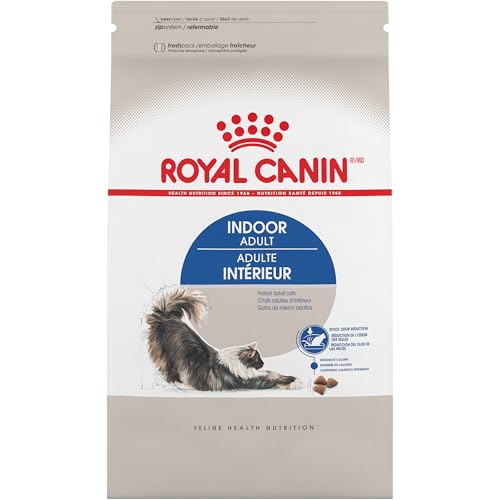
For most cats with sensitive stomachs, a limited ingredient diet with a single novel protein source and easily digestible carbohydrates works best. Brands like Purina Pro Plan Sensitive Skin & Stomach and Hill's Science Diet Sensitive Stomach & Skin are top choices. Always transition slowly and consult your vet if symptoms persist.
Why does my cat have a sensitive stomach?
Feline digestive issues can stem from food intolerances, allergies, or underlying health conditions. Common signs include vomiting, diarrhea, gas, and loss of appetite. Stress, sudden diet changes, or eating too fast can also upset a cat's stomach. Identifying the root cause is key. Our editorial team compared specifications, buyer feedback and key decision factors to help you find the right food. For example, a cat that vomits shortly after eating may be eating too quickly, while chronic diarrhea could indicate a food allergy. We analyzed hundreds of reviews and ingredient lists to pinpoint the most effective solutions.
How to fix a sensitive stomach with diet
- Choose a limited ingredient diet. Look for a single protein source (e.g., chicken, turkey, duck) and minimal carbohydrates. This reduces the chance of triggering an allergic reaction. Brands like Natural Balance L.I.D. and Blue Buffalo Basics offer good options with limited ingredients and no fillers.
- Opt for easily digestible ingredients. Prebiotic fiber (like chicory root) and probiotics support gut health. Avoid corn, wheat, and soy. Hill's Science Diet Sensitive Stomach & Skin includes prebiotic fiber and is highly rated by owners for reducing vomiting and improving stool quality.
- Consider novel proteins. If your cat has eaten chicken or fish for years, try a novel protein like rabbit or venison. Purina Pro Plan Sensitive Skin & Stomach uses salmon as a primary protein, which is gentle on many cats. For cats with multiple sensitivities, a hydrolyzed protein diet may be necessary.
- Introduce new food gradually. Mix 25% new food with 75% old food for a few days, then slowly increase the ratio over 7-10 days. This helps prevent further digestive upset. For example, start with 1/4 new food and 3/4 old food for days 1-3, then half and half for days 4-6, then 3/4 new food for days 7-9, and finally 100% new food by day 10.
- Monitor and adjust. Keep a food diary. Note any changes in stool consistency, frequency of vomiting, or energy levels. If symptoms continue, consult your veterinarian for possible prescription diets or allergy testing. Some cats may need a diet trial of 8-12 weeks to fully assess tolerance.
When to replace your cat's current food
If your cat has recurring digestive issues despite eating a balanced diet, it may be time to switch. Signs that warrant a change include: frequent vomiting (more than once a week), persistent diarrhea or soft stools, excessive gas, or a dull coat. Also replace food if your cat refuses to eat or shows signs of discomfort after meals. For instance, if your cat consistently vomits undigested food 30 minutes after eating, the current formula may be too rich or contain an allergen. Always check the current price on Amazon for the best deals on sensitive stomach formulas.
Top brands for sensitive stomachs
Purina Pro Plan Sensitive Skin & Stomach is a popular choice. It features salmon as the first ingredient, is high in protein, and contains probiotics for digestive health. Many cat owners report reduced vomiting and firmer stools after switching. The formula also includes oatmeal and rice for easy digestibility.
Hill's Science Diet Sensitive Stomach & Skin is recommended by veterinarians. It uses chicken as a protein source and includes prebiotic fiber to support a balanced microbiome. It also contains vitamin E and omega-6 fatty acids for skin health. Owners often note improvement in both digestive and skin issues within a few weeks.
Limited ingredient diets like Natural Balance L.I.D. and Blue Buffalo Basics are excellent for cats with multiple food sensitivities. They avoid common allergens and use a single animal protein and a single carbohydrate source. For example, Natural Balance L.I.D. offers formulas with duck and potato or venison and brown rice.
For cats with severe sensitivities, consider prescription diets such as Hill's Prescription Diet z/d or Royal Canin Veterinary Diet Hydrolyzed Protein. These are broken down into tiny protein molecules that are less likely to trigger an immune response. Consult your vet before switching to a prescription diet, as they require a veterinary authorization.
Additional tips for managing sensitive stomachs
- Feed smaller, more frequent meals to reduce the load on the digestive system. For example, divide the daily portion into 4-5 meals instead of 2 large ones.
- Ensure fresh water is always available. Dehydration can worsen digestive issues. Consider a pet fountain to encourage drinking.
- Avoid giving table scraps or treats that may contain irritants like onion, garlic, or high-fat meats.
- Use slow feeder bowls or puzzle feeders if your cat eats too quickly. This can reduce vomiting from rapid consumption.
- Consider adding a probiotic supplement designed for cats, such as FortiFlora or Proviable, to support gut flora.
- Keep your cat's environment stress-free. Use pheromone diffusers and provide vertical space like cat trees to help them feel secure.
Remember, every cat is unique. What works for one may not work for another. Patience and observation are essential. Check the current price on Amazon for your chosen brand and start the transition slowly. If symptoms persist, a veterinary checkup is crucial to rule out conditions like pancreatitis, inflammatory bowel disease, or parasites.
Understanding food allergies vs. intolerances
It is important to distinguish between a food allergy and a food intolerance. A food allergy involves an immune response and often presents with skin issues like itching, hair loss, or ear infections, in addition to digestive signs. A food intolerance is a non-immune reaction that primarily causes gastrointestinal upset. For allergies, a novel protein or hydrolyzed diet is often necessary. For intolerances, simply avoiding trigger ingredients like dairy or grains may suffice. Your vet can help diagnose through elimination diet trials or blood tests. Keeping a detailed food diary can also help identify patterns.