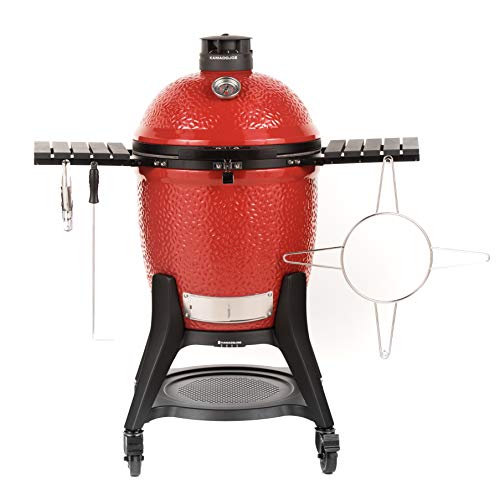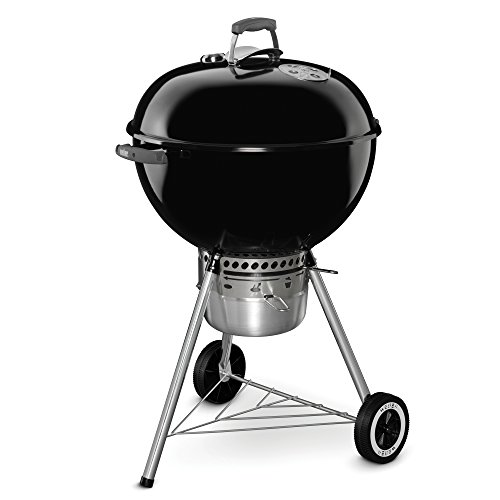
Controlling temperature on a charcoal grill is the key to great barbecue. Whether you want a slow smoked brisket or a hot sear on a steak, the secret lies in managing airflow and arranging your charcoal. Our editorial team compared specifications, buyer feedback and key decision factors to bring you a clear guide. With a few simple techniques, you can hold steady temps and cook like a pro.
Airflow Basics: Vents and Dampers
Airflow is the most important factor in charcoal grill temperature. Oxygen feeds the fire, so more air means hotter coals, less air means cooler coals. Every charcoal grill has vents, usually on the bottom and the lid. The bottom vents control primary airflow, while the top vent regulates exhaust and creates a draft. To increase temperature, open both vents wider. To decrease, close them partially. Always leave the top vent at least slightly open to avoid suffocating the fire and creating acrid smoke.
When you first light the charcoal, keep all vents fully open. This gets the fire going quickly and brings the grill up to high heat. Once you reach your target temperature, adjust the vents to maintain it. Small adjustments make a big difference, so wait 5 to 10 minutes after changing vents before checking the temperature again. Avoid constant fiddling, as this can cause temperature swings.
Charcoal Arrangement: Two-Zone and More
How you arrange the charcoal determines the heat distribution and cooking method. For low-and-slow cooking, use a two-zone fire. Place all the lit charcoal on one side of the grill, leaving the other side empty. This creates a hot zone for searing and a cooler zone for indirect cooking. For high-heat grilling, spread the charcoal evenly across the bottom grate to create a single hot zone. This is ideal for burgers, steaks, and vegetables that need direct heat.
For even more control, consider a three-zone fire. Put a thicker layer of charcoal on one side, a thinner layer in the middle, and none on the other side. This gives you a hot, medium, and cool zone, perfect for cooking different foods at once. To create a two-zone fire, use a charcoal chimney to light the coals, then pour them onto one side of the grill. For a single-zone fire, spread them out with tongs.
Tips for Maintaining Steady Temperatures
Keeping a steady temperature is a skill that improves with practice. Here are some proven tips from our research:
- Preheat the grill thoroughly. Let the charcoal burn until it is covered with gray ash, usually 15 to 20 minutes. This ensures even heat and prevents temperature drops.
- Use a reliable thermometer. A lid-mounted thermometer gives a rough idea, but an instant-read or probe thermometer is more accurate. Place the probe near the food to monitor the cooking temperature.
- Adjust vents gradually. Make small changes to the vents and wait for the temperature to stabilize. Large adjustments can overshoot or undershoot your target.
- Manage the charcoal bed. For long cooks, add a few lit briquettes every hour to maintain the coal bed. Use a chimney starter to light them, then place them on the existing coals.
- Protect from wind. Wind can increase airflow and cause temperature spikes. Set up your grill in a sheltered spot or use a windbreak.
- Keep the lid closed. Every time you open the lid, you lose heat and introduce oxygen. Only open when necessary, and avoid peeking.
For low-and-slow cooking, aim for a temperature between 225°F and 275°F. To achieve this, use a two-zone fire and close the bottom vent to about 25% open, with the top vent at 50% open. Adjust from there. For high-heat grilling, you want 400°F to 500°F or higher. Open all vents fully and use a single-zone fire with a full chimney of lit charcoal.
Another tip is to use a water pan for low-and-slow cooks. Placing a pan of water under the food on the cool side helps regulate temperature and adds moisture. It also catches drips, reducing flare-ups. For high-heat, skip the water pan to keep the grill dry and hot.
Finally, practice makes perfect. Every grill is slightly different, so take notes on how your vents and charcoal behave. Over time, you will learn to read the smoke and adjust quickly. With these techniques, you can master charcoal grill temperature and produce delicious results every time.
FAQ
How long should I wait for the charcoal to ash over before cooking?
Wait until most coals are covered with a thin gray ash, usually 15 to 20 minutes after lighting. This ensures they are fully ignited and burning evenly, which helps maintain a steady temperature.
Can I use the same charcoal arrangement for low-and-slow and high-heat grilling?
No, you need different arrangements. For low-and-slow, use a two-zone fire with coals on one side and food on the other, and keep vents partially closed. For high-heat, spread coals evenly and open vents fully to maximize airflow.
What is the best way to add charcoal during a long cook without spiking the temperature?
Add lit charcoal from a chimney starter rather than unlit briquettes. Place them on the coal bed using tongs, then adjust vents to bring the temperature back to your target. Adding a few at a time prevents large spikes.