Charcoal grilling is a beloved tradition that adds a smoky flavor you cannot get from gas or electric. But with so many styles, sizes, and price points, choosing the right charcoal grill can feel overwhelming. Our editorial team compared specifications, buyer feedback, and key decision factors to help you find the perfect match for your outdoor cooking style. This guide breaks down the main types, materials, size considerations, and budget tips so you can grill with confidence.
Types of Charcoal Grills
Charcoal grills come in several distinct styles, each with its own strengths. The most common are kettle, kamado, barrel, and portable models. Understanding these differences is the first step to making a smart purchase.
Kettle Grills
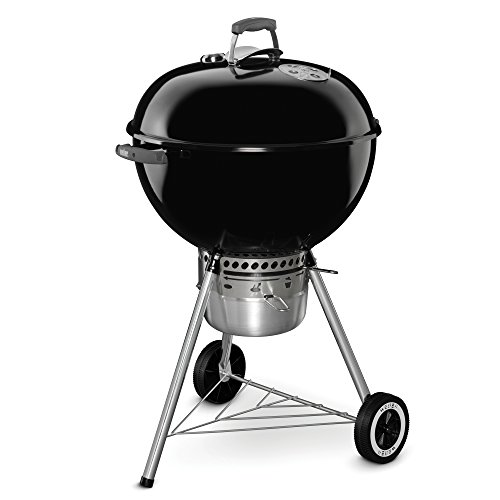
The classic kettle grill is the most recognizable and widely used charcoal grill. It features a round, bowl-shaped design with a domed lid. Kettle grills are known for their simplicity, affordability, and versatility. They are excellent for direct grilling, indirect cooking, and even smoking with a little practice. The rounded shape helps distribute heat evenly, and the adjustable vents allow for decent temperature control. Most kettle grills have a steel cooking grate and a charcoal grate, plus an ash catcher for easy cleanup. Popular brands include Weber and Char-Griller. Kettle grills are ideal for beginners and families who want a reliable, no-fuss grill.
Kamado Grills
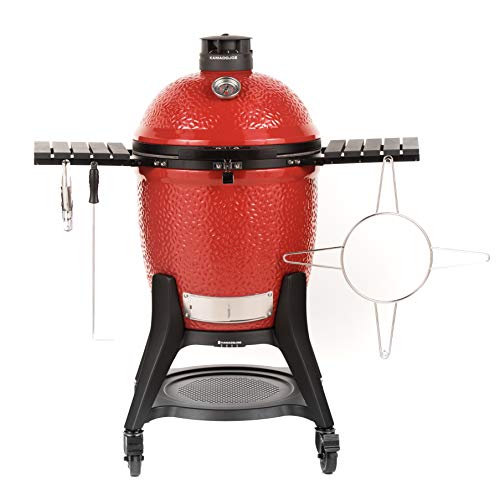
Kamado grills have a distinctive egg-like shape and are made from thick ceramic, which provides exceptional heat retention and insulation. This design allows for very precise temperature control, making kamados perfect for low-and-slow smoking as well as high-heat searing. They are incredibly fuel-efficient, as the ceramic holds heat for hours. However, kamado grills are heavier, more expensive, and can be harder to move. They also have a smaller cooking area compared to barrel grills of similar price. If you are serious about smoking and want a versatile, long-lasting grill, a kamado is a worthy investment. Brands like Big Green Egg and Kamado Joe are well-regarded.
Barrel Grills
Barrel grills, also known as offset smokers or horizontal grills, feature a cylindrical cooking chamber with a firebox attached to one side. This design allows for both direct grilling over the fire and indirect smoking by placing food on the opposite end of the firebox. Barrel grills offer a large cooking surface, making them great for parties and big cuts of meat. They often come with multiple grates and adjustable dampers for temperature control. However, they can be less efficient with charcoal and may require more attention to maintain steady temperatures. They are a favorite among barbecue enthusiasts who love smoking briskets and ribs. Examples include the Oklahoma Joe's and Dyna-Glo models.
Portable Grills
Portable charcoal grills are compact, lightweight, and designed for travel, camping, tailgating, or small balconies. They come in various shapes, including small kettles, rectangular boxes, or folding models. While they lack the cooking space and temperature control of larger grills, they are convenient and easy to transport. Many portable grills have legs that fold or a briefcase-style design. They are perfect for picnics or quick meals. Brands like Weber's Go-Anywhere and Lodge Sportsman's grill are popular choices.
Materials and Construction
The materials used in a charcoal grill affect its durability, heat retention, and maintenance. Here is what to look for.
Grill Body
Most charcoal grills are made from either steel, ceramic, or cast iron. Steel is the most common and affordable. Look for heavy-gauge steel, which is thicker and less likely to warp or rust. Porcelain-enameled steel is even better because the coating protects against rust and is easy to clean. Ceramic, used in kamado grills, offers superior heat retention but is fragile and heavy. Cast iron is sometimes used for fireboxes or grates; it holds heat well but requires seasoning to prevent rust.
Cooking Grates
Cooking grates come in steel, cast iron, or stainless steel. Steel grates are common and affordable but can rust if not cared for. Cast iron grates retain heat exceptionally well and create great sear marks, but they need regular seasoning. Stainless steel grates are rust-resistant and durable, though they may not get as hot as cast iron. Some grills offer porcelain-coated grates, which are easy to clean and resist sticking.
Vents and Dampers
Airflow is crucial for temperature control. Look for grills with adjustable vents on both the bottom and the top. Bottom vents control the intake of oxygen, while top vents regulate exhaust. More vents give you finer control. Some grills have a single vent, but two are better. Kamado grills typically have a daisy-wheel top vent and a sliding bottom vent for precise adjustments.
Ash Management
Cleaning a charcoal grill is easier with a good ash management system. Many kettles have a removable ash catcher that you can empty without lifting the grill. Barrel grills often have a sliding ash tray. Kamados have an ash drawer at the bottom. Consider how easy it is to remove ashes, as you will need to do this regularly.
Size and Features
Choosing the right size depends on how many people you typically cook for and what you plan to grill. Features can also make a big difference in convenience.
Cooking Area
Cooking area is measured in square inches. A small grill (under 300 square inches) is suitable for 1 to 2 people. A medium grill (300 to 500 square inches) can handle 3 to 4 people. A large grill (500 to 800 square inches) is great for families and small gatherings. Anything over 800 square inches is for serious party hosting. Remember that some grills have multiple levels, so you can cook different foods at different temperatures.
Portability
If you plan to move your grill around, consider its weight and whether it has wheels or folding legs. Kettle grills often have two wheels and a handle for tilting. Portable grills are designed to be carried. Kamados are extremely heavy and usually stay in one spot. Barrel grills may have wheels on one side for moving.
Additional Features
Look for features that enhance your grilling experience. A built-in thermometer on the lid helps monitor heat without opening the grill. A side table or shelf provides extra workspace. Some grills have a charcoal basket or divider for two-zone cooking. Others include a rotisserie kit or smoker box. While these add-ons increase the price, they can be worth it if you use them.
Budget and Final Tips
Charcoal grills range from under $50 for basic portables to over $1,000 for premium kamados. Determine your budget and what features are most important to you.
Entry-Level (Under $100)
In this range, you will find small portable grills and basic kettles. They are perfect for occasional grilling and beginners. Expect thinner steel and fewer features. They may not last as long, but they get the job done.
Mid-Range ($100 to $300)
This is the sweet spot for most home cooks. You can get a quality kettle grill with porcelain-enameled steel, a good ash catcher, and a thermometer. Some barrel grills also fall in this range. These grills offer better durability and performance.
Premium (Over $300)
Here you will find high-end kettles, large barrel smokers, and entry-level kamados. These grills have thicker materials, better insulation, and more features. If you grill frequently or want to smoke, this is a worthwhile investment.
Final Tips
- Think about your cooking style. If you love smoking, choose a kamado or barrel. If you want simplicity, get a kettle.
- Check the warranty. A longer warranty often indicates better quality.
- Read customer reviews to learn about real-world performance and durability.
- Consider the availability of replacement parts, such as grates and vents.
- Always check the current price on Amazon to compare deals.
With this guide, you are ready to pick a charcoal grill that fits your needs and budget. Whether you are a weekend warrior or a barbecue pitmaster, there is a charcoal grill out there for you. Happy grilling!