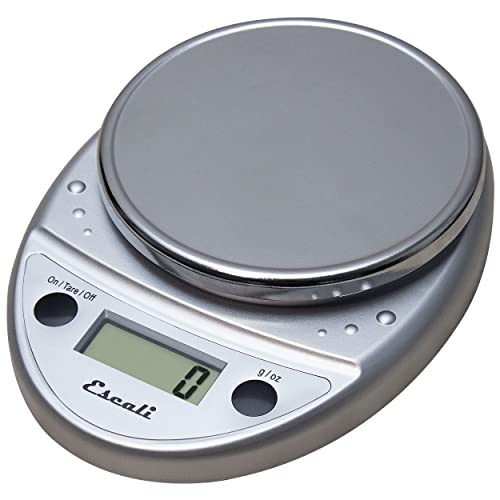
Baking is often called a science, and for good reason. Unlike cooking where a pinch of this or a splash of that can be adjusted, baking relies on precise chemical reactions. Too much flour can make cookies dry, too little sugar can prevent browning, and an extra egg can turn a cake into a pudding. This is why weight-based measurements are superior to volume measurements. Our editorial team compared specifications, buyer feedback and key decision factors to help you understand why a kitchen scale is a game-changer for your baking.
Why Weight Matters in Baking
Volume measurements like cups and tablespoons are inherently imprecise. A cup of flour can weigh anywhere from 110 to 150 grams depending on how it is scooped, sifted, or packed. This variability can throw off a recipe significantly. In contrast, a kitchen scale measures the exact weight of ingredients, eliminating guesswork. Professional bakers and pastry chefs rely on grams because they are consistent and repeatable. When you use a scale, you can replicate a perfect cake or batch of cookies every time. Additionally, weighing ingredients directly into the mixing bowl reduces cleanup and speeds up the process. For example, instead of measuring flour into a cup, leveling it, and then pouring it into a bowl, you simply place the bowl on the scale, tare, and scoop flour until you reach 120 grams. This saves time and reduces the number of dishes to wash.
Another critical factor is humidity. Flour absorbs moisture from the air, causing its weight to fluctuate. A cup of flour on a humid day can weigh significantly more than the same cup on a dry day. By weighing, you bypass this variability entirely. Similarly, brown sugar is often packed into a cup, but the density of packing varies from person to person. A scale removes this subjectivity. For ingredients like cocoa powder or powdered sugar, which are prone to clumping and settling, weight is the only reliable measure. Even liquids benefit from weighing: a tablespoon of honey can vary by several grams depending on temperature and viscosity, but weighing ensures accuracy.
Common Baking Conversions
Knowing a few basic conversions helps you adapt any recipe. Here are common ingredient weights for volume equivalents:
- All-purpose flour: 1 cup = 120 grams
- Bread flour: 1 cup = 127 grams
- Cake flour: 1 cup = 114 grams
- Whole wheat flour: 1 cup = 130 grams
- Granulated sugar: 1 cup = 200 grams
- Brown sugar (packed): 1 cup = 220 grams
- Butter: 1 cup (2 sticks) = 227 grams
- Honey or maple syrup: 1 cup = 340 grams
- Rolled oats: 1 cup = 100 grams
- Cocoa powder: 1 cup = 100 grams
- Milk: 1 cup = 245 grams
- Water: 1 cup = 240 grams
For smaller amounts: 1 tablespoon of butter is about 14 grams, 1 teaspoon of baking powder is about 4 grams, and 1 teaspoon of salt is about 6 grams. Keep a conversion chart handy or use a scale with a built-in conversion feature. Many digital scales allow you to switch between grams, ounces, pounds, and even milliliters for water-based liquids.
It is important to note that these conversions are approximations. The best practice is to weigh ingredients directly, especially for flour. If a recipe provides only volume measurements, you can convert using the above numbers, but be aware that your results may differ slightly from the original. For critical recipes like macarons or angel food cake, always weigh.
Tips for Using a Kitchen Scale
To get the most out of your kitchen scale, follow these practical tips:
- Use the tare function. Place your bowl on the scale, press tare to zero it out, then add ingredients one by one, taring after each addition. This allows you to use a single bowl and avoid dirtying multiple measuring cups. For example, you can weigh flour, then sugar, then cocoa powder all in the same bowl.
- Measure sticky ingredients directly. For honey, molasses, or peanut butter, place the container on the scale, tare, then scoop out until you reach the desired weight. No more sticky measuring cups. Alternatively, spray the measuring cup with nonstick spray before adding sticky ingredients, but weighing is easier.
- Check your scale's accuracy. Occasionally test with a known weight like a coin or calibration weight. Most digital scales are accurate to 1 gram, but it is good to verify. A nickel weighs 5 grams, a quarter 5.67 grams, and a penny 2.5 grams. If your scale is off by more than 2 grams, consider recalibrating or replacing it.
- Use grams for precision. Grams are smaller than ounces, allowing finer adjustments. Most baking recipes use grams, so set your scale to metric. If a recipe uses ounces, you can still use grams by converting (1 ounce = 28.35 grams).
- Keep the scale clean. Wipe spills immediately to prevent buildup and ensure accurate readings. A damp cloth is usually enough. Avoid submerging the scale in water; instead, wipe the surface and use a dry cloth for the display.
- Place the scale on a stable, level surface. Uneven surfaces can cause inaccurate readings. Avoid using the scale near drafts or vibrations, which can affect the sensor.
- Use a wide bowl. A bowl that is too tall or narrow can make it difficult to add ingredients without spilling. A wide, shallow bowl is ideal for mixing and weighing.
Scale vs. Measuring Cups: A Detailed Comparison
While measuring cups are common in many kitchens, they are not as reliable as a scale. Here is a breakdown of the differences:
- Accuracy: A scale measures weight directly, while cups measure volume. Volume can be affected by how you scoop, sift, or pack. For example, scooping flour directly from the bag can compress it, adding up to 20% more flour than the recipe intends. The spoon-and-level method reduces this, but still varies by person.
- Consistency: With a scale, you get the same result every time. With cups, even the same person can get different amounts on different days due to technique or ingredient settling.
- Ease of use: Weighing is faster because you can add ingredients directly to the bowl without intermediate steps. No need to wash multiple measuring cups or spoons.
- Versatility: A scale can measure any ingredient, including those that are difficult to measure by volume, such as chopped nuts, chocolate chips, or shredded cheese. It also works for non-baking tasks like portioning meat or weighing fruit.
- Cost: A good digital kitchen scale costs between $15 and $50, while a set of measuring cups costs around $10. The scale pays for itself in reduced ingredient waste and better baking results.
For serious bakers, a scale is non-negotiable. Even for casual bakers, the improvement in consistency and ease is worth the investment. Many recipe developers now provide weights specifically because they know scales lead to better outcomes.
Frequently Asked Questions
Can I use a regular kitchen scale for baking?
Yes, any digital kitchen scale that measures in grams and ounces works well. Look for one with a tare function and a capacity of at least 5 pounds for most baking needs. For very small amounts like yeast or salt, choose a scale with 0.1 gram precision.
How do I convert cups to grams for flour?
One cup of all-purpose flour typically weighs 120-125 grams. However, the exact weight can vary based on how you scoop. For best results, use a scale to weigh flour directly rather than relying on volume conversions. If you must convert, use the spoon-and-level method to approximate: spoon flour into the cup and level off with a knife.
Do I need a scale if a recipe gives both volume and weight?
Yes, using the weight measurement is more reliable. Volume measurements can be inconsistent due to packing, humidity, and scooping method. Weighing ensures you use the exact amount the recipe developer intended. This is especially important for flour, which can vary by up to 30% depending on how it is measured.
Can I use a mechanical (spring) scale instead of digital?
While mechanical scales can work, digital scales are more accurate and easier to read. Mechanical scales often have larger increments (e.g., 10 grams) and can lose accuracy over time due to spring fatigue. Digital scales with a tare function and 1-gram precision are recommended for baking.
How do I measure liquids with a scale?
Place your container on the scale, tare it, then pour the liquid until you reach the desired weight. For water, 1 milliliter equals 1 gram, so 100 ml of water weighs 100 grams. For other liquids like milk or oil, use the specific gravity: milk is about 1.03 g/ml, vegetable oil about 0.92 g/ml. Most recipes assume water-like density for simplicity.