Stand Mixers
Best stand mixers compared for real buyers.
25 posts in this topic
Shopping for a stand mixer? Our stand mixers guides compare motor power, bowl capacity, attachments, stability so you can match the right stand mixer to your kitchen and budget without the guesswork.
For most beginners, a tilt-head stand mixer with a 4.5 to 5 quart bowl offers the best balance of power, capacity, and ease of use. The KitchenAid Artisan series is a top choice, but more affordable options from Hamilton Beach or Cuisinart also work well. Focus on bowl size, attachments, and cleanup.
Start with the basics: a flat beater, dough hook, and wire whip cover most recipes. Add a pouring shield for messy batters and a flex edge beater for thorough mixing. Specialty attachments like pasta rollers or spiralizers are worth it only if you cook those foods often.
The best stand mixer for most home bakers is the KitchenAid Artisan Series 5-Quart Tilt-Head Stand Mixer. It balances power, capacity, and versatility. The 325-watt motor handles bread dough and cookie batters. Its tilt-head design simplifies access to the bowl. Owners report it lasts for years with regular use.
To use a stand mixer for bread dough, attach the dough hook, add ingredients, and mix on low speed until combined. Then knead on medium-low for 6 to 10 minutes. Watch for a smooth, elastic dough. Avoid overmixing, which can tear gluten.
For most beginners, a 5-quart tilt-head stand mixer with a 300-watt motor is the sweet spot. It handles cookie dough and bread easily. Look for a model with a pouring shield and multiple speed settings. The KitchenAid Artisan is a popular choice, but cheaper alternatives work well too.
A stand mixer is worth it if you bake often, knead dough, or whip large batches. It saves time and effort. Casual cooks may find it overkill. Consider your kitchen space and budget first. Many owners say it lasts for decades.
Yes, a stand mixer can knead dough. Most models handle bread, pizza, and pasta doughs well. Use the dough hook and low speed. Heavy-duty models manage stiff or large batches. Always check your mixer's capacity and power.
The best stand mixer depends on your baking frequency, batch sizes, and budget. For most home bakers, a 5-quart tilt-head model offers enough power and versatility. Serious bakers should consider a 7-quart bowl-lift for heavy doughs. Compact kitchens may prefer a mini mixer. Compare motor wattage, bowl capacity, and included attachments before buying.
The best stand mixer for bread dough is the KitchenAid Pro Line Series 7 Quart, thanks to its powerful motor and sturdy build. It handles stiff doughs easily. For most home bakers, the Artisan 5 Quart is a solid choice. Consider your batch size and dough type.
Using a stand mixer starts with attaching the correct accessory and locking the bowl. Start at low speed to avoid splashing, then gradually increase. Scrape the bowl often. Follow recipe instructions for timing and speed. Always turn off before changing attachments.
Learn how to choose a stand mixer by comparing motor power, bowl size, attachments, and price points. This guide helps you find the right model for your baking needs.
Learn step-by-step techniques for kneading, whipping, and mixing with a stand mixer, including speed settings and attachment tips.
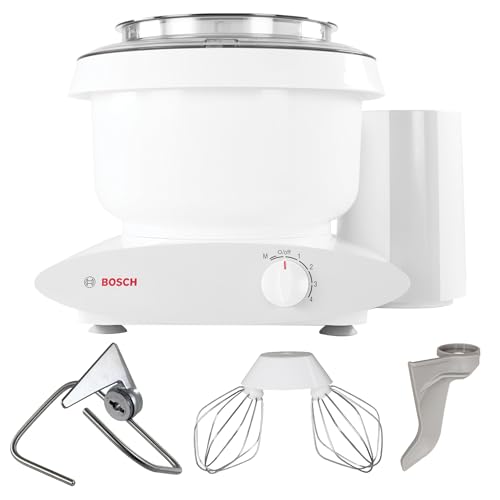
The Bosch Universal Plus is a powerhouse for heavy doughs and large batches. Our editorial team compared specifications, buyer feedback, and key decision factors to see if it beats the competition.

The KitchenAid Artisan is the most iconic stand mixer on the market. Our editorial team compared specifications, buyer feedback, and key decision factors to see if it still earns its place in your kitchen.
Place a non-slip silicone mat or damp towel under the mixer, ensure the feet are clean and dry, and check that the bowl is locked. Tighten the base screws if loose. For heavy doughs, run the mixer on lower speeds and avoid overfilling. If it still walks, the feet may be worn or the base cracked.
Wash the bowl and attachments in warm, soapy water right after use. Use a soft sponge or brush for stubborn bits. Rinse and dry completely before storing. Avoid the dishwasher for coated bowls and non-stick parts.
First, unplug the mixer and check the output shaft seal. If oil seeps from the shaft, replace the seal and re-grease the gears. For leaks from the base, tighten the screws. If the leak persists, contact a repair service.
First, unplug the mixer. Check the bowl and beater for obstructions. Reset the thermal overload by letting it cool for 30 minutes. If it still won't start, inspect the power cord and outlet. For persistent issues, contact a licensed appliance repair technician.
Unplug the mixer, then remove and wash the bowl, whisk, and paddle in warm soapy water. Wipe the base with a damp cloth, avoiding the motor vents. Dry everything thoroughly before reassembling.
Stop using the mixer immediately. Unplug it and let it cool. Check the bowl, attachments, and vents for food debris or grease. Tighten any loose parts. If the smell persists, inspect the brushes or motor. Call a professional if you see smoke or sparks.
First, confirm the outlet works and the mixer is plugged in securely. Check the bowl is fully locked and the speed lever is at 0. If it still won't start, inspect the reset button, cord, and internal fuse. Simple fixes solve most cases.
Is your stand mixer struggling to mix? Learn how to diagnose and fix common issues like the bowl not turning, motor overheating, or attachments not reaching, with practical troubleshooting steps.
A thorough cleaning routine for your stand mixer, including attachments, bowl, and body, to keep it performing and hygienic. Learn what to wash by hand, what to wipe, and what to avoid.