Sous Vide Machines
Best sous vide machines compared for real buyers.
26 posts in this topic
Shopping for a sous vide machine? Our sous vide machines guides compare power, temperature accuracy, connectivity, size so you can match the right sous vide machine to your kitchen and budget without the guesswork.
The Anova Culinary Sous Vide Precision Cooker Nano 3 is the easiest to use overall. It has a simple dial and clear app. The Instant Pot Accu Slim is also very user-friendly. Both offer presets and reliable temperature control. Choose based on your budget and container size.
Yes, most sous vide machines are safe to leave unattended for typical cook times. They have built-in safety features like low-water shutoffs and overheat protection. However, you should never leave them running for days without checking. Always use a food-safe container and keep the water level above the minimum line.
The Anova Culinary Sous Vide Precision Cooker Nano 3.0 is easiest to clean. Its heating element is fully enclosed and smooth. The exterior wipes down with a damp cloth. No crevices trap food residue. Owners report minimal scale buildup with routine vinegar descaling.
Yes, sous vide is safe for beginners when you follow basic food safety rules. The method uses precise temperature control to pasteurize food. Start with a reputable machine and a reliable recipe. Always seal food properly and chill leftovers quickly. With these steps, you can cook safely and enjoy great results.
Yes, sous vide is safe for chicken when you hold it at the right temperature for the right time. The key is using a precise circulator and following a tested time-temperature table. Pasteurization happens at 136°F for at least 2 hours. Always chill or serve immediately after cooking.
Yes, most modern sous vide machines are safe to run overnight, provided you follow basic precautions. They use thermostats and auto-shutoff features. Water evaporation is the main risk. A covered container and proper water level reduce hazards. Always check the manufacturer's instructions for your specific model.
Yes, you can use a sous vide machine without a vacuum sealer. The water displacement method works with zipper-lock bags. Submerge the bag slowly to push out air, then seal it. This is safe and effective for most foods.
For most beginners, the Anova Precision Cooker Nano 3.0 is the best choice. It is compact, reliable, and easy to use. Its app guides you through recipes. It heats a 5-gallon pot accurately. It is a solid balance of price and performance.
Yes, most sous vide machines are safe to run overnight, provided you follow the manufacturer's instructions. They have built-in safety features like over-temperature protection and auto-shutoff. The main risks are water evaporation and leaving it unattended for long periods. Always use a covered container and check water levels before starting.
The best sous vide machine for most home cooks is the Anova Precision Cooker Nano 3.0. It heats 5 gallons of water, hits 1100 watts, and connects via Wi-Fi and Bluetooth. The compact size fits small pots. Its price and reliability make it the top pick.
A sous vide machine, or immersion circulator, heats water to a precise temperature and keeps it there. It clips to a pot and circulates the water. Food in a sealed bag cooks evenly to that exact temperature. The result is consistent doneness from edge to edge.
Learn sous vide cooking from scratch: essential equipment, water bath setup, temperature charts, and safety tips for perfect results every time.
Master sous vide cooking with our comprehensive time and temperature chart for meats, vegetables, and eggs. Learn how to adjust for perfect doneness every time.
Sous vide and slow cookers both make tender meals, but they work very differently. Compare texture, flavor, convenience, and safety to find the right fit for your kitchen.

Our editorial team compared specifications, buyer feedback and key decision factors to see if the Anova Precision Cooker remains a top choice for sous vide cooking in 2025. Performance, app connectivity, ease of use and value are all examined in depth.
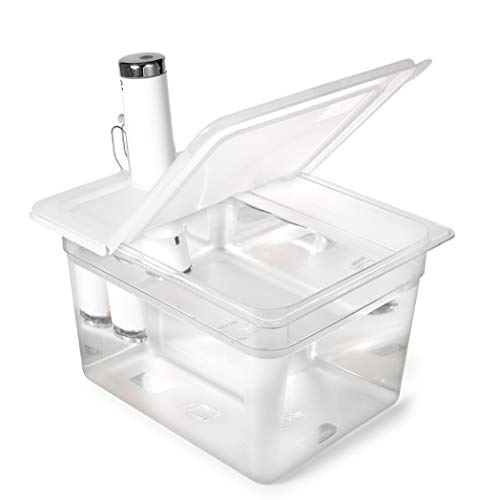
The Breville Joule is a small but mighty sous vide machine with excellent app integration and fast heating. Its lack of built-in controls may frustrate some, but for most home cooks, the app-first design is a winning trade-off.
Loud noise usually means the circulator is working harder than it should. Check the water level first. Low water makes the pump suck air, causing a loud whir. Top it up to the minimum line. Then check for debris around the impeller. Clean it gently. If it still roars, the bearings may be worn.
First, unplug the machine and check the impeller for debris or scale. Clean it with vinegar and a soft brush. If the impeller spins freely, test the motor. A faulty motor usually means replacement. For stubborn scale, descale the unit. If it still won't circulate, contact the manufacturer.
Weigh the bag down with a heavy plate, butter knife, or dedicated sous vide weights. Clip the bag to the pot's edge. Remove trapped air before sealing. Use a larger container or reduce water level. These steps keep food submerged for even cooking.
Unplug the machine and let it cool. Wipe the exterior with a damp cloth. Descale the heating element with white vinegar or citric acid. Rinse thoroughly and dry. Clean the water bath separately. Never submerge the circulator head.
First, check the power cord and outlet. Then, ensure the water level covers the minimum line. If it's still cold, the heating element may be faulty. Inspect for error codes on the display. Reset the unit by unplugging for 10 minutes. If it still fails, contact support.
Rinse the water bath and wipe the heating element with a damp cloth after each use. For mineral buildup, fill with equal parts water and white vinegar, run at 140°F for 30 minutes, then rinse. Dry thoroughly before storing.
Check the water level first. Most circulators shut off if the water is too low. Ensure the minimum fill line is covered. Then verify the power outlet and temperature setting. If it still won't heat, clean the heating element. Finally, inspect for error codes or unusual noises.
If your sous vide machine isn't heating, check the water level, power supply, and sensors first. This guide walks through common fixes and when to call support.