Slow Cookers
Best slow cookers compared for real buyers.
43 posts in this topic
Shopping for a slow cooker? Our slow cookers guides compare capacity, programmable timer, settings, insert so you can match the right slow cooker to your kitchen and budget without the guesswork.
Yes, most modern slow cookers are safe to leave on while you're at work, provided they're in good condition, placed on a stable surface, and used according to the manual. Look for models with auto shut-off or keep-warm modes. Always start with thawed ingredients and avoid overfilling.
Yes, you can put frozen meat in a slow cooker, but it's not recommended. Cooking from frozen extends the time food spends in the danger zone, raising food safety risks. The USDA advises thawing meat first. If you must, add extra cooking time and use a meat thermometer.
You can cook almost anything in a slow cooker: meats, soups, stews, chili, pasta, rice, vegetables, bread, desserts, and even breakfast casseroles. It excels at low-and-slow braising, making tough cuts tender. You can also use it for dips, sauces, and drinks. The key is matching cook times and liquid levels.
For a family of four, a 6-quart slow cooker offers the best balance of capacity and counter space. Look for programmable timers and a removable, dishwasher-safe insert. The Hamilton Beach 6-Quart Programmable is a reliable choice. It handles roasts, soups, and leftovers with ease.
The best slow cooker depends on your household size and cooking style. For most families, a 6-quart programmable model offers the best balance of capacity and convenience. Look for features like automatic warm, a locking lid, and dishwasher-safe inserts. Brands like Hamilton Beach, Crock-Pot, and Ninja consistently rank well in owner satisfaction. Consider your counter space and how often you cook for crowds.
For a family of four, a 6-quart slow cooker is ideal. It fits a whole chicken or a large roast. Look for programmable timers and a warm setting. The Crock-Pot 6-Quart Programmable is a reliable choice. It offers even cooking and easy cleanup.
A Crock Pot is a brand of slow cooker, originally made by Rival. The term slow cooker describes any countertop appliance that cooks food low and slow. All Crock Pots are slow cookers, but not all slow cookers are Crock Pots. The main differences lie in brand, features, and design.
A slow cooker uses a low-wattage heating element wrapped around a ceramic or metal pot to cook food gently over hours. It heats food to a safe temperature, typically between 170°F and 300°F, depending on the setting. The lid traps steam, creating a moist environment that tenderizes meat and blends flavors. You simply add ingredients, set the time, and let it simmer.
Yes, you can put frozen chicken in a slow cooker, but it's not recommended. The USDA advises thawing first to ensure even cooking and prevent bacterial growth. Cooking from frozen extends the time in the danger zone. If you must, use smaller pieces and increase cooking time.
A typical 3 to 4 pound pot roast takes 8 to 10 hours on low or 5 to 7 hours on high in a slow cooker. Larger roasts need more time. Always cook until fork-tender, not just to a temperature.
Learn how to use a slow cooker with this step-by-step guide. Discover the right size, ingredient prep, layering, liquid ratios, and safety tips to avoid common mistakes.
From 1.5-quart personal pots to 8-quart family workhorses, here's how to match slow cooker capacity to your household and cooking style.

Choosing between a slow cooker and a multi cooker depends on how you cook. Slow cookers excel at low-and-slow meals. Multi cookers add pressure, sauté, and rice functions.
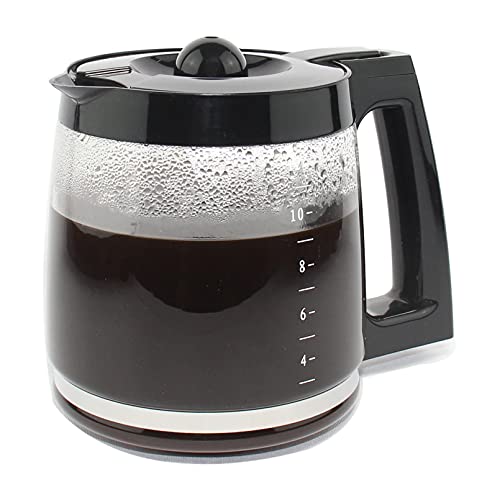
Choosing between slow cookers and multi cookers depends on your kitchen habits. Slow cookers excel at low-and-slow braising, while multi cookers add pressure, rice, and yogurt functions. We compared specifications, owner feedback, and use-case fit across seven top models.

Choosing between a slow cooker and a multi cooker depends on your cooking style. Multi cookers replace several appliances. Slow cookers excel at low-and-slow braising.
Choosing between a slow cooker and a multi cooker depends on your cooking habits. Slow cookers excel at low-and-slow braising, while multi cookers add pressure, sauté, and rice functions. We compared specifications, owner feedback, and use-case fit across seven top models.
The best slow cookers for families, small batches, and multitasking, from the classic Crock-Pot to programmable models, with tips to pick the right size.

The Crock-Pot Express Crisp combines pressure cooking with air frying. Our editorial team compared specifications, buyer feedback, and key decision factors to help you decide if this multi cooker fits your kitchen.

An honest look at the Cuisinart 6-Quart Slow Cooker: who it's for, real specs, performance, ease of use, cleaning, pros and cons, and how it stacks up against rivals.

An honest look at the Hamilton Beach Programmable slow cooker: who it's for, real specs, performance, ease of use, cleaning, and how it compares to top alternatives.

The Hamilton Beach Set and Forget is a versatile 6-quart slow cooker with a programmable timer and temperature probe. It's ideal for busy cooks who want tender meals without constant monitoring. Our editorial team compared specifications, buyer feedback, and key decision factors to help you decide if it's right for you.

The Ninja Foodi Possible Cooker is a versatile 8-in-1 slow cooker and multi cooker that sears, slow cooks, steams, and more. Our editorial team compared specifications, buyer feedback, and key decision factors to help you decide if it's worth adding to your kitchen.

The Ninja Foodi 6.5-Quart is a versatile multi-cooker that pressure cooks, air fries, slow cooks, and more. Our editorial team compared specifications, buyer feedback, and key decision factors to help you decide if it's worth it.

The Instant Pot Duo Plus is a versatile 9-in-1 electric pressure cooker that suits beginners and busy families. It offers multiple cooking modes, a user-friendly display, and consistent results. This review covers who it's for, real specifications, performance, ease of use, cleaning, pros and cons, and how it compares to close alternatives.

The Instant Pot Pro is a versatile 10-in-1 multi cooker with a large display, improved steam release, and a sous vide function. It suits busy families and meal preppers, but the size and learning curve may not fit everyone. This review breaks down specs, performance, ease of use, cleaning, and buyer complaints.
The Instant Pot Duo 7-in-1 is a versatile electric pressure cooker that also slow cooks, sautes, and more. Our editorial team compared specifications, buyer feedback, and key decision factors to help you decide if it's right for your kitchen.
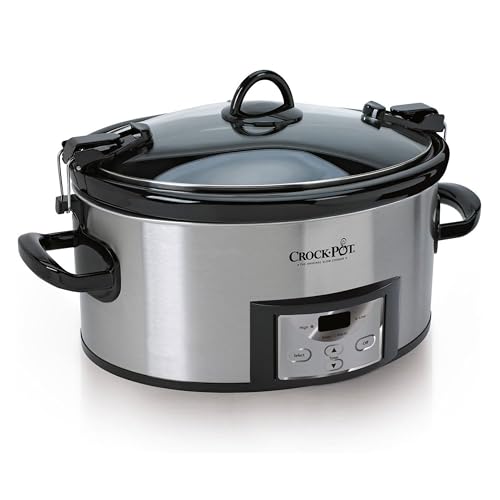
The Crock-Pot Express is a versatile multi cooker that combines pressure cooking, slow cooking, and more. Our editorial team compared specifications, buyer feedback, and key decision factors to help you decide if it fits your kitchen.
An honest look at the Crock-Pot 7-Quart Cook and Carry slow cooker: who it’s for, standout features, real-world performance, ease of use, cleaning, pros and cons, and how it compares to close alternatives.

An honest look at the Crock-Pot 6-Quart slow cooker: who it's for, real specs, performance, ease of use, cleaning, pros and cons, and how it compares to alternatives.
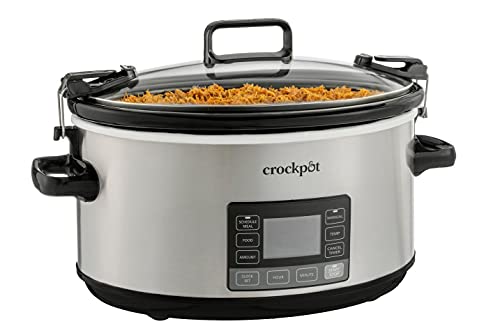
Our editorial team compared specifications, buyer feedback, and key decision factors for the Crock-Pot 7-Quart Programmable Slow Cooker. It offers reliable performance, easy programming, and a large capacity, making it a top choice for families and meal preppers, though some users note the lid isn't fully sealed.
Can the Instant Pot Duo replace your dedicated slow cooker? We compare its slow cooking performance, versatility, and user feedback to help you decide.
Burning usually happens when the cooker runs too hot, liquid evaporates, or food sits too long. Check your heat setting, add more liquid, and stir occasionally. Use a liner or adjust cooking time to prevent scorching.
Unplug the cooker and let it cool. Remove the ceramic insert and wash it with warm, soapy water. For stuck-on food, soak with hot water and dish soap. Wipe the base with a damp cloth. Avoid submerging the base. Dry everything before storing.
First, check the outlet and power cord. Plug another device into the same outlet. If that works, inspect the cord for damage. Next, test the fuse or circuit breaker. If power flows, the heating element or thermostat likely failed. Replace the unit if it is old or the element is burnt out.
Fill the insert with warm water and a few drops of dish soap. Let it soak for 30 minutes. Scrub with a non-abrasive sponge. For stubborn spots, make a paste of baking soda and water. Apply, wait 15 minutes, then scrub. Rinse thoroughly.
Fill the crock with warm water and a few drops of dish soap, let it soak for 15 minutes, then scrape with a plastic scraper. For stubborn spots, make a paste of baking soda and water, apply it, and let it sit. Rinse and wash as usual.
First, unplug the slow cooker and test the outlet with another device. If the outlet works, inspect the power cord for damage. Check the thermal fuse with a multimeter. A blown fuse means a replacement part. If the cord or fuse is fine, the control board may be faulty. Contact the manufacturer or a repair pro.
First, check the power outlet and cord for damage. Then inspect the heating element for debris or corrosion. If the element is clean and the outlet works, the thermostat may be faulty. Replace the slow cooker if the element is burnt out. Most fixes are simple and safe to do at home.
First, check the outlet with another device. Then inspect the cord for damage and the fuse. If the outlet works and the cord is fine, a blown thermal fuse or faulty control board is likely. Replace the slow cooker if it's old or repairs cost more than a new one.
First, check the outlet and power cord. Then inspect the heating element and control dial. A blown fuse or tripped breaker is common. If the pot doesn't warm after these checks, the heating element likely failed. Replace the unit for safety.
Dry, stringy chicken from your slow cooker is a common frustration. Learn why it happens and how to fix it with the right cuts, timing, and liquid ratios.
Is your slow cooker not heating up? Follow this step-by-step guide to diagnose power issues, settings, and internal components, and learn when it's time to replace it.