Sandwich and Waffle Makers
58 posts in this topic
For most people, a panini press is the better choice because it offers higher heat and adjustable pressure, which crisps bread and melts fillings evenly. A sandwich press is essentially a lighter-duty version, often with fixed plates and lower wattage. If you make thick sandwiches or want grill marks, choose a panini press. For simple toasted sandwiches, a sandwich press works fine.
The easiest sandwich makers to clean have removable, nonstick plates and a drip tray. Models like the Breville and Cuisinart offer dishwasher-safe parts. Wipe the exterior with a damp cloth. Avoid submerging the whole unit. Check the manual for specific care instructions.
A sandwich maker works by clamping bread and fillings between two hot, non-stick plates. Electric heating elements warm both plates evenly. The bread toasts and crisps while the fillings heat through. A latch keeps the sandwich pressed flat. Most models cook a sandwich in three to five minutes.
Yes, for many households. It saves counter space and money versus buying two appliances. But it compromises on waffle thickness and sandwich size. If you make both weekly, it's worth it. If you rarely eat waffles, a dedicated sandwich press is better.
The easiest sandwich and waffle makers to store are compact, vertical models with cord wrap and locking lids. The Dash Mini Waffle Maker stores upright in less than a square foot. The Cuisinart 2-in-1 also locks flat for drawer storage. Look for under 5 pounds and a footprint under 10 inches.
Yes, you can make waffles in a sandwich maker, but they'll be thin and small. Use a thin waffle batter and cook for 3 to 5 minutes. The plates lack deep pockets, so texture differs from a dedicated waffle iron. For crisp edges, brush with oil.
No, it is not safe to use a waffle maker with peeling non-stick coating. The flakes can mix into food, and the exposed metal may release harmful compounds. Replace the appliance immediately to avoid health risks.
For the crispiest waffles, choose a dedicated waffle maker with deep pockets and adjustable browning, like the Cuisinart Round Classic. Sandwich makers often lack the heat and depth needed for crispy waffles. Dedicated models cook hotter and more evenly. They also have nonstick plates that release waffles easily. For best results, look for at least 1000 watts and a browning control.
The easiest to store models are vertical waffle makers and compact sandwich presses. They stand upright, take little counter space, and often have cord wraps. Look for units under 10 inches tall with non-slip feet. The Dash Mini and Cuisinart Vertical are top choices.
The best sandwich and waffle maker depends on your needs. For most households, the Cuisinart WAF-300 offers dual nonstick plates and adjustable browning. It makes two waffles at once. For budget buyers, the Dash Mini is compact and affordable. Consider plate size and wattage before buying.
The easiest sandwich makers to clean have removable, nonstick plates and a drip tray. Models like the Cuisinart WAF-150 and Breville BSG520 excel here. You can wipe nonstick surfaces quickly. Removable plates go straight in the dishwasher. Avoid fixed plates if you hate scrubbing.
Yes, you can use pancake batter in a waffle maker, but the results differ. Pancake batter yields softer, thinner waffles. For crispier waffles, add a bit more fat or use a waffle-specific recipe. Adjust cooking time and don't overfill.
The best combo depends on your needs. For versatility, the Cuisinart WAF-150 offers reversible plates. For budget, the Dash Mini is compact and affordable. Consider plate size, wattage, and nonstick coating. Based on specifications, these factors matter most. Choose one that matches your counter space and cooking habits.
Butter the outside of two bread slices, place cheese between them, and put the sandwich in a preheated sandwich maker. Close the lid and cook for 3 to 5 minutes until golden and melted. Use medium heat if available. Flip if your model cooks unevenly.
Choose a sandwich maker for quick, savory meals and easy cleanup. Pick a waffle maker for crisp, fluffy breakfasts and dessert options. Sandwich makers are more versatile for daily lunches. Waffle makers excel at one specialty. Your choice depends on your primary cooking needs.
Yes, you can use a waffle maker to make grilled cheese sandwiches. The hot plates toast the bread and melt the cheese quickly. Use medium heat and buttered bread for best results. Avoid overfilling, as cheese may leak. Cleanup is easier with a removable plate model.
The best sandwich and waffle maker for home use depends on your needs. For most households, a dual-purpose model with interchangeable plates, like the Cuisinart WAF-300, offers versatility. It makes both waffles and grilled sandwiches. If you prioritize compactness, a dedicated sandwich press like the Hamilton Beach 25490 works well. Consider plate non-stick quality, wattage, and storage.
A sandwich and waffle maker works by clamping food between two heated, non-stick plates. The plates transfer heat directly to the food, cooking it evenly. The hinge and latch keep the plates pressed together, creating the signature shape. A thermostat cycles power to maintain a set temperature. The result is a crispy exterior and a warm, melted interior.
A pan gives you more control over browning and crispness, while a press offers hands-free convenience and even heat. For classic, buttery crust, a pan wins. For quick, uniform sandwiches, choose a press. Your choice depends on your priorities.
Yes, you can make waffles in a sandwich maker, but they come out thin and more like a crispy pancake. Standard sandwich makers have shallow, flat plates, so they lack the deep pockets of a dedicated waffle iron. You'll need a thinner batter and careful timing. The result is a quick, snack-sized waffle, not a Belgian-style one.
A sandwich maker presses and toasts bread with fillings, creating sealed, grilled sandwiches. A waffle maker cooks batter in patterned grids, producing crisp, fluffy waffles. They differ in purpose, cooking surface, and food output. Choose based on what you cook most often.
Plug in the sandwich maker and preheat it. Butter the outside of your bread, fill it, and place it in the maker. Close the lid and cook for 3-5 minutes until golden. Unplug and remove with a plastic spatula.
A sandwich and waffle maker combines two appliances. Use it to grill sandwiches or bake waffles. First, preheat the appliance. Then, add your food and close the lid. Cook until the indicator light shows done. Always follow the manufacturer's instructions.

Choosing a sandwich or waffle maker depends on your cooking habits. We compared specifications, owner feedback, and use-case fit.
Choosing between sandwich and waffle makers depends on your kitchen space and meal habits. Some models excel at pressed sandwiches, others at fluffy waffles. We compared specifications, owner feedback, and use-case fit to find the best.
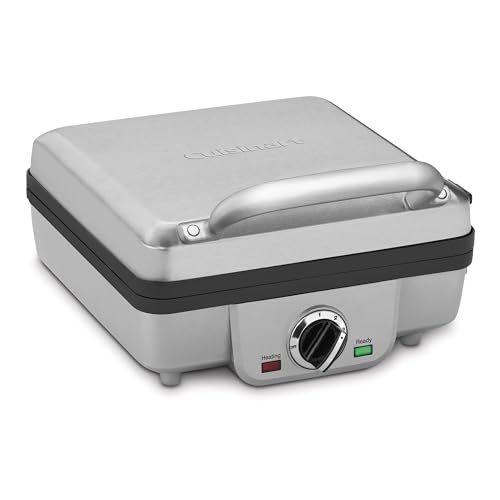
Choosing between a sandwich and waffle maker can be tricky. Some models excel at one task, others do both. We compared specifications, owner reviews, and use-case fit to narrow down the best options.
Sandwich and waffle makers turn simple ingredients into quick meals. The right one depends on your cooking style and space. We compared real models based on specifications and owner feedback.
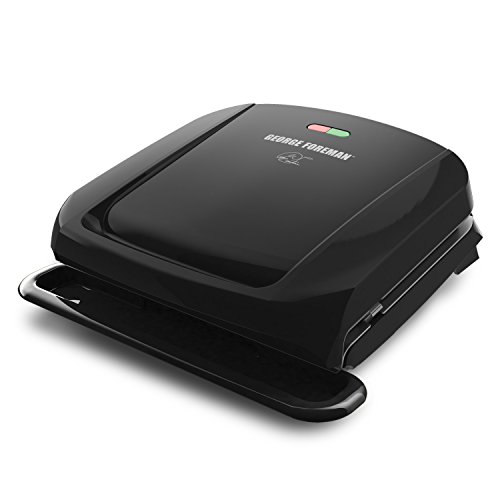
The George Foreman Grill is a classic electric contact grill that promises fast cooking and fat reduction. Our editorial team compared specifications, buyer feedback, and key decision factors to help you decide if it fits your kitchen.

An honest look at the Hamilton Beach Belgian Waffle Maker: who it's for, standout features, real specs, performance, ease of use, cleaning, value, pros and cons, and how it compares to close alternatives.

A dependable, classic round waffle maker from Cuisinart that delivers even browning and crisp results. Ideal for families and breakfast lovers, it offers five browning settings, a compact footprint, and easy cleanup, though it lacks a drip tray and flips manually.
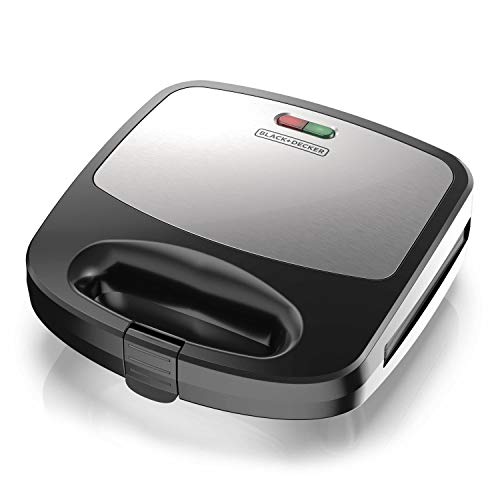
The Black and Decker 3-in-1 is a versatile sandwich and waffle maker that also grills. It suits small households and occasional cooks who want one appliance for multiple tasks, but it has limitations in capacity and durability.

An honest look at the Presto FlipSide: who it's for, real specs, performance, ease of use, cleaning, pros and cons, and how it stacks up against close alternatives.

The All-Clad Belgian Waffle Maker delivers restaurant-quality waffles with even browning and a crisp exterior. Ideal for serious home cooks, it offers precise temperature control and a durable build, though its price and storage footprint may give some buyers pause.

An honest look at the Breville No-Mess Waffle: who it is for, standout features, real-world performance, ease of use, cleaning, and how it compares to alternatives.

An honest look at the Dash Mini Waffle Maker: who it's for, real specs, performance, ease of use, cleaning, pros and cons, and how it stacks up against close alternatives.

An honest look at the Hamilton Beach Breakfast Sandwich Maker: who it's for, standout features, real specs, performance, ease of use, cleaning, pros and cons, and how it stacks up against alternatives.

The Cuisinart Griddler is a versatile 4-in-1 electric grill and griddle that handles pancakes, paninis, and grilled meats. Our editorial team compared specifications, buyer feedback, and key decision factors to help you decide if it fits your kitchen.
Unplug the appliance and let it cool completely. Wipe away loose debris with a dry paper towel. Mix baking soda and water into a paste, apply it to burnt areas, and let it sit for 15 minutes. Scrub gently with a non-abrasive sponge, then wipe with a damp cloth. For stubborn spots, use a plastic scraper. Avoid submerging in water.
First, unplug it and let it cool. Check for stuck batter or debris around the hinge and plates. Clean thoroughly with a soft brush. If the hinge is bent or broken, you may need to replace the unit. Overfilling batter often causes the top to sit unevenly.
Unplug the waffle maker and let it cool. Mix a paste of baking soda and water, apply it to the burnt areas, and let it sit for 15 minutes. Gently scrub with a soft brush or cloth. Wipe clean with a damp cloth. For stubborn spots, use a plastic scraper.
Unplug the press and let it cool. Scrape off loose bits with a wooden spatula. Wipe with a damp cloth and mild soap. For stubborn burns, use a baking soda paste. Rinse and dry thoroughly. Never submerge in water.
Check for batter or debris stuck in the hinge or latch. Clean the hinge area with a damp cloth and a toothpick. If the latch is bent, gently bend it back with pliers. For a broken hinge, replace the waffle maker. Always let it cool before cleaning.
Unplug the waffle maker and let it cool. Scrape off loose debris with a wooden spatula. Make a paste of baking soda and water, apply it to burnt areas, and let it sit for 15 minutes. Wipe with a damp cloth, then rinse with a clean cloth. For stubborn spots, use a non-abrasive scrubber.
To prevent sticking, preheat the sandwich maker fully, brush the plates with a light coat of oil or use nonstick cooking spray before adding bread. Use bread with a firm crust and avoid overfilling. Let the sandwich cook until golden, then gently lift with a silicone spatula. Clean the plates after each use.
A stuck waffle maker usually comes from batter overflow, a broken latch, or a warped plate. Unplug it, let it cool, and gently pry the plates apart with a wooden spatula. Clean any dried batter. If the latch is jammed, press it firmly while lifting the handle. For persistent issues, check the hinge.
Unplug the appliance and let it cool completely. Wipe the plates with a damp microfiber cloth to remove loose crumbs. For stuck-on bits, use a soft brush or a paste of baking soda and water. Never submerge the base in water. Dry thoroughly before storing.
Brush the hot plates with a neutral oil like canola using a silicone brush, then wipe off excess with a paper towel. Preheat fully before pouring batter. Use a batter with enough fat, like one with melted butter or oil. Avoid opening too early. Let waffles steam briefly before removal.
Unplug the waffle maker and let it cool. Gently scrape off loose bits with a wooden or silicone spatula. Wipe with a damp cloth dipped in warm soapy water. For stubborn spots, use a paste of baking soda and water. Rinse and dry thoroughly.
First, check the power source and cord. Then inspect the heating element for damage. Clean any debris from the plates and terminals. If it still won't heat, test the thermostat. Finally, consider replacing the unit if repairs are complex.
Your waffle maker sticks because the plates lack enough fat or are too hot or too cold. Preheat fully, brush with oil before each batch, and use a batter with enough butter or oil. Clean burnt residue with a soft brush. If nonstick is scratched, replace it.
First, unplug it and inspect the power cord for damage. Test the outlet with another appliance. If the cord is fine, the thermostat or heating element may be faulty. Open the unit carefully, check for loose wires, and test the element with a multimeter. Replace damaged parts or the unit if repairs are complex.
Brush the hot plates with oil or melted butter before each batch, even on nonstick surfaces. Preheat fully, use a batter with enough fat, and wait until the waffle is golden and releases easily. If sticking persists, season the plates or consider a new maker.
Unplug the appliance and let it cool completely. Remove the plates according to the manual. Wash them in warm soapy water or the dishwasher if marked safe. Wipe the base with a damp cloth. Dry everything fully before reassembling.
Uneven cooking usually means your waffle maker's thermostat is off, the plates are dirty, or the batter is too thin. Preheat fully, use a thicker batter, rotate the waffle halfway, and clean the plates. If browning stays patchy after that, the heating element may be failing.
Uneven heating usually comes from burnt food residue or a faulty thermostat. First, unplug the unit and clean the plates thoroughly with a non-abrasive sponge. If that fails, check the heating element for visible damage. When cleaning doesn't help, the thermostat is likely failing, so replace the appliance.
The quick fix is to brush the hot plates with neutral oil before each pour, even if the maker is nonstick. Use a silicone brush and reapply after every batch. Also, wait until the green light signals ready, and never open the lid too early. For stubborn residue, clean with a paste of baking soda and water.
Unplug the waffle maker and let it cool completely. Wipe the plates with a soft cloth or sponge dipped in warm, soapy water. Avoid abrasive scrubbers and metal utensils. For stubborn residue, make a paste of baking soda and water, apply gently, then wipe clean. Rinse with a damp cloth and dry thoroughly.
Your waffle maker likely sticks because batter overflowed and caramelized, or the latch is engaged. Unplug it, let it cool, then gently pry the plates apart with a wooden spatula. Clean any residue. If it still won't open, check the latch or hinge for damage.