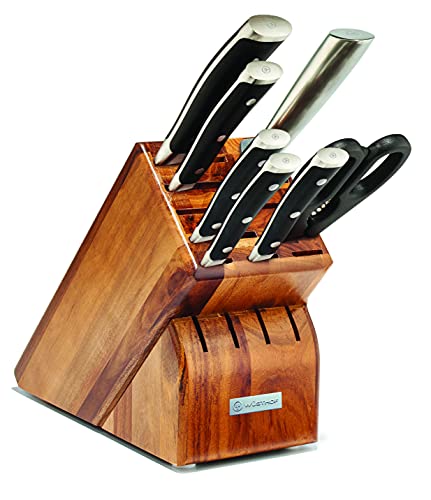
Most rust on knife blades can be removed with baking soda paste, white vinegar soak, or a lemon-salt scrub. For stubborn rust, use a commercial rust remover. Always dry and oil your knives afterward to prevent recurrence.
Why Rust Forms on Knife Blades
Rust is the result of iron in the steel reacting with oxygen and moisture. Stainless steel contains chromium which resists rust, but it is not immune. Carbon steel knives are more prone to rust because they lack chromium. Common causes include leaving knives wet, storing them in humid environments, or exposing them to acidic foods for long periods. Even high-quality knife sets can develop rust if not cared for properly. For example, a drop of water left on a carbon steel blade overnight can create a visible rust spot. The good news is that surface rust is usually cosmetic and removable. Deep pitting or flaking may compromise the blade's integrity and require replacement.
How to Remove Rust from Knife Set Blades
Follow these steps based on the severity of the rust and the type of steel. Always test a small hidden area first, especially on coated or patterned blades.
- For light rust on stainless steel: Make a paste of baking soda and water (3:1 ratio). Apply to the blade and let sit for 10 minutes. Scrub gently with a soft cloth or non-abrasive pad in the direction of the blade's grain. Rinse and dry immediately. This method works well for light surface rust that appears as small orange specks.
- For moderate rust on stainless or carbon steel: Soak the blade in white vinegar for 5 to 15 minutes. Do not exceed 15 minutes as vinegar can etch the steel. Remove and scrub with a nylon brush or fine steel wool (0000 grade) for carbon steel. Rinse with water and dry thoroughly. For stainless, use a nylon pad instead of steel wool to avoid scratches.
- For stubborn rust on carbon steel: Cut a lemon in half, dip the cut side in salt, and rub it over the rusted area. Let the juice sit for 5 minutes, then scrub with a soft cloth. Rinse and dry. The acid and abrasion work together to lift rust. This method is effective for rust spots that have formed along the edge or on the blade face.
- For heavy rust or pitting: Use a commercial rust remover like Evapo-Rust or Bar Keepers Friend. Follow the product instructions. These are safe for both stainless and carbon steel but may require longer soaking (up to 30 minutes for heavy rust). After treatment, rinse well and dry. For deep pitting, you may need to repeat the process or use a rust eraser block to smooth the surface.
- Final step for all methods: Wash the knife with mild soap and water, dry completely, and apply a thin layer of food-safe mineral oil to protect the blade, especially for carbon steel. For stainless steel, oiling is optional but helps maintain the finish and prevents water spots.
When to Replace a Rusted Knife
Not all rust can be safely removed. Replace a knife if you see deep pitting that creates rough edges, rust that has flaked away metal, or if the blade has become thin or bent from aggressive scrubbing. Rust near the handle or rivets can also indicate hidden damage, such as corrosion inside a wooden handle that may cause it to crack. If the knife is a high-value collectible or part of a premium set, consult a professional restorer before discarding. For everyday knives, if rust removal compromises the blade's shape or sharpness, replacement is the safer choice. A good rule of thumb: if the blade has lost more than 10% of its original thickness due to rust, it is time to replace it.
Prevention Tips for a Rust-Free Knife Set
- Dry immediately: Never let knives air-dry. Hand dry with a towel after washing, paying attention to the area around the handle.
- Store properly: Use a knife block, magnetic strip, or blade guards. Avoid storing in drawers where moisture can collect. If you use a knife block, make sure it is completely dry before inserting knives.
- Oil carbon steel blades: After each use and cleaning, wipe with a cloth containing a few drops of mineral oil. This creates a barrier against moisture. For stainless steel, occasional oiling helps maintain the protective chromium oxide layer.
- Avoid the dishwasher: High heat and harsh detergents accelerate rust. Always hand wash with mild soap and warm water.
- Control humidity: If you live in a humid area, consider silica gel packs in your knife drawer or a dehumidifier in the kitchen. You can also store knives in a dry cabinet away from the stove or sink.
- Use a rust eraser for touch-ups: Keep a rust eraser (like a pencil eraser infused with abrasive) handy for immediate removal of small rust spots before they spread.
Common Mistakes to Avoid When Removing Rust
Many home remedies can cause more harm than good if used incorrectly. Avoid using bleach or harsh chemicals not intended for metal, as they can pit the blade. Do not use a wire brush or coarse abrasive pads, as they will scratch the finish. Never soak a knife with a wooden or composite handle in any liquid, as moisture can seep into the handle and cause swelling or rust from the inside. Instead, clean the blade only. Finally, do not rush the process: let the rust remover sit for the recommended time, and be patient with stubborn spots. Repeated gentle treatments are better than aggressive scrubbing.