Pressure Cookers
Best pressure cookers compared for real buyers.
45 posts in this topic
Shopping for a pressure cooker? Our pressure cookers guides compare capacity, presets, safety features, pressure levels so you can match the right pressure cooker to your kitchen and budget without the guesswork.
No, you should never open a pressure cooker while it's pressurized. The lid locks automatically due to internal pressure. Forcing it open can cause severe burns from hot steam and food. Always release pressure fully using natural, quick, or cold-water methods before opening. Wait for the float valve to drop.
No, a cracked gasket is not safe. It can leak steam and pressure, causing uneven cooking or burns. Replace it before using the cooker again. Check the gasket regularly for cracks, tears, or stretching. Most manufacturers recommend replacing gaskets every 12 to 18 months.
A pressure cooker is a sealed pot that cooks food quickly using steam pressure. An Instant Pot is an electric multi-cooker that includes a pressure cooker function, plus slow cooking, sautéing, and more. The main difference is versatility and control. Stovetop models heat faster and reach higher pressure, while electric ones offer set-and-forget convenience. Your choice depends on how you cook.
Yes, you can use a pressure cooker on a glass top stove, but only if it's the right type. Choose a flat-bottomed, smooth-based model that matches your burner size. Avoid cast iron or rough bases. Check your stove's manual for weight limits. Use medium heat and never slide the cooker.
Yes, you can open a pressure cooker while it's hot, but only after releasing the pressure completely. Never force the lid open while pressure remains. Use the quick-release valve or natural release, then check the float valve. For electric models, wait until the pin drops.
No, it is not safe to open a pressure cooker while it is still pressurized. Doing so can cause hot contents to erupt, leading to severe burns. Always release pressure fully using the natural or quick release method before opening. Check the pressure indicator to confirm it has dropped.
A pressure cooker quickly cooks food with steam, while a pressure canner safely preserves low-acid foods. Canners maintain higher pressure and hold more jars. Cookers often lack accurate gauges for canning. Using a cooker for canning risks food spoilage. Choose based on your primary need.
No, you should never force open a pressure cooker while it's pressurized. The lid locks for safety. Forcing it can cause severe burns or injury. Always release pressure fully until the float valve drops. Then open the lid away from your face.
Yes, modern pressure cookers are safe when used correctly. They have multiple built-in safety mechanisms, including pressure release valves and locking lids. The main risks come from user error, such as overfilling or blocking the vent. Follow the manual, and you can cook safely.
No, you should not force open a pressure cooker while it's hot and pressurized. Doing so can cause severe burns from hot steam and food. Wait for natural pressure release or use the quick-release valve. Always follow the manufacturer's instructions for safe operation.
Yes, but only stovetop pressure cookers made of oven-safe materials like stainless steel. Electric pressure cookers have plastic parts that melt. Check the manufacturer's manual for the maximum oven temperature, usually around 350°F. Never put the lid in the oven unless it is metal and the gasket is removed.
A pressure cooker uses sealed steam and high pressure to cook food quickly, often in under an hour. A slow cooker uses low, moist heat over several hours to tenderize food. Pressure cookers excel at speed and browning. Slow cookers are set-and-forget appliances for busy days. Choose based on your time and recipe needs.
Yes, you can cook rice in a pressure cooker. It yields fluffy grains in about half the time of stovetop methods. Use a 1:1 water-to-rice ratio for white rice. Cook on high pressure for 3 to 8 minutes, then let pressure release naturally for 10 minutes. This method works for white, brown, jasmine, and basmati rice.
For most beginners, a 6-quart electric pressure cooker with preset programs is the best choice. Models like the Instant Pot Duo offer one-touch cooking and built-in safety features. They are forgiving and hard to mess up. Stovetop versions require more attention. Start with an electric model to build confidence.
A pressure cooker can cook almost anything faster than traditional methods. It excels at tough cuts of meat, dried beans, grains, soups, and stews. You can also make cheesecake, yogurt, and even bread. The high-pressure steam tenderizes and infuses flavor quickly.
A pressure cooker traps steam inside a sealed pot, raising the internal pressure. Higher pressure raises the boiling point of water above 212°F. This allows food to cook at higher temperatures, reducing cooking time. The trapped steam also keeps food moist. Release the pressure to open the lid safely.
Learn the key differences between electric and stovetop pressure cookers, how to choose capacity, what safety certifications matter, and how to maintain your cooker for years of reliable use.
Learn the essential parts, safety features, and step-by-step methods for using a pressure cooker. Master natural and quick release, cooking times, and avoid common mistakes for perfect meals every time.

Pressure cookers cut cooking time dramatically while preserving nutrients. Choosing the right one depends on your cooking habits and kitchen space. We compared specifications, safety features, and owner reviews to narrow down the best options.
Pressure cookers cut cooking time dramatically. They use steam pressure to tenderize meats and cook beans fast. Choosing the right one depends on capacity, features, and budget.
Pressure cookers cut cooking time dramatically while locking in flavor. But choosing one means deciding between electric and stovetop models.
The best pressure cookers compared, from the Instant Pot Duo to a classic Presto stovetop model, with buying tips to match your cooking style and kitchen.
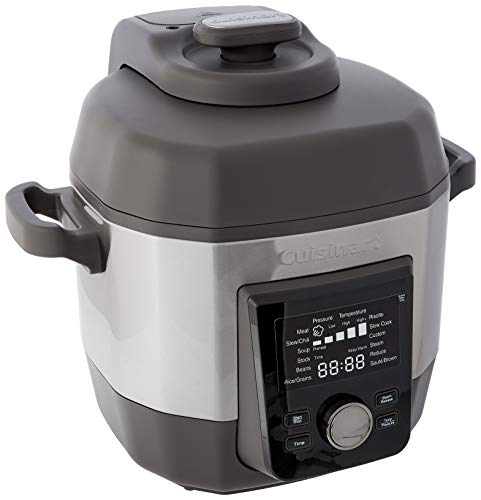
An honest look at the Cuisinart Electric Pressure Cooker: who it is for, standout features, real-world performance, ease of use, cleaning, value, and how it compares to close alternatives.

An honest look at the Presto 6-Quart pressure cooker: who it's for, real specs, performance, ease of use, cleaning, pros and cons, and how it stacks up against close alternatives.
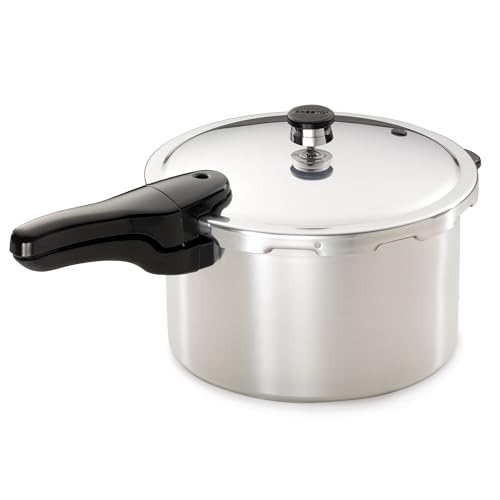
A thorough look at the Presto 8-Quart pressure cooker: who it's for, real specs, performance, ease of use, cleaning, pros and cons, and how it stacks up against alternatives.

The Ninja Foodi Pressure Cooker combines pressure cooking, air frying, and more in one versatile pot. Our editorial team compared specifications, buyer feedback, and key decision factors to help you decide if it's worth the counter space.

Our editorial team compared specifications, buyer feedback and key decision factors for the Instant Pot Duo Crisp. This 8-in-1 pressure cooker and air fryer combo excels at versatility but has a learning curve. Read on for who it suits, real-world performance, cleaning and alternatives.
Our editorial team compared specifications, buyer feedback, and key decision factors for the Instant Pot Duo. It is a versatile 7-in-1 pressure cooker that excels at everyday meals, though it lacks some advanced features found in newer models.

We compare the Ninja Foodi's dual pressure cook and air fry capabilities against real recipes to see if the extra functions justify the price.
A pressure cooker whistles when steam escapes past the pressure regulator or vent. Check the vent pipe for blockage, clean the gasket, and ensure the regulator sits correctly. If it still whistles, reduce heat or replace the gasket. Most fixes take under five minutes.
Mix one part white vinegar with three parts water, pour it into the pot, and run a steam cycle for 10 minutes. Let it cool, then wipe with a soft cloth. Rinse thoroughly to remove any vinegar smell. This breaks down mineral deposits and neutralizes odors without harsh chemicals.
To stop a pressure cooker from smelling like food, clean it thoroughly after each use. Remove the sealing ring and wash it separately. Soak the lid in vinegar and water. Dry all parts completely before storing. Replace the sealing ring every 12 to 18 months. This removes trapped odors and prevents new ones.
After cooking, release pressure, unplug, and let it cool. Remove the gasket, valve, and inner pot. Wash the pot and lid in warm soapy water, using a non-abrasive sponge. Clean the gasket and valve separately. Dry all parts thoroughly before reassembling.
A whistling or leaking pressure cooker usually means the gasket is worn, the lid isn't sealed, or the pressure regulator is dirty. First, inspect the gasket for cracks or debris. Clean the rim and valve. Replace the gasket if damaged. Ensure the lid locks properly. If steam escapes elsewhere, check the vent pipe.
Clean your pressure cooker after each use by washing the inner pot, lid, and sealing ring in warm soapy water. Remove food residue, dry all parts fully, and store with the lid upside down. Check the steam vent and safety valves for blockages. Regular cleaning prevents odors and keeps parts working.
Fill the cooker with water and white vinegar in a 3:1 ratio, then pressure cook for 10 minutes. Release pressure naturally and wash with baking soda paste. This lifts food and mineral stains without scratching the surface.
To clean a pressure cooker and remove stains, soak the inner pot in warm soapy water, then scrub with a non-abrasive pad. For tough stains, use a paste of baking soda and water. Clean the lid and sealing ring separately. Dry thoroughly before storing.
Turn the heat down to medium after the cooker reaches pressure. Too much heat forces water out through the vent. Check the sealing ring, valve, and fill level. Release pressure naturally before opening. If water still spews, clean the vent and replace worn parts.
First, check if the sealing ring is properly seated and clean. If it's worn or warped, replace it. Ensure the lid is locked correctly and the float valve is clear. For electric models, confirm the gasket is installed. If steam still escapes, inspect the pressure release valve for debris.
Clean your pressure cooker after every use. Wash the inner pot, lid, and sealing ring in warm soapy water. Remove and rinse the steam valve and float valve. Wipe the exterior with a damp cloth. Deep clean monthly with vinegar and water to remove mineral buildup.
First, inspect the sealing ring for cracks or wear and ensure it's seated properly. Check the float valve and steam release handle for debris. If the ring is loose, replace it. Clean the rim and valve, then close the lid firmly. Test again with a cup of water.
The most common reason is a faulty or missing sealing ring. Check that the ring is properly seated and free of cracks. Also ensure the lid is locked correctly. If the ring is worn, replace it. Then check the vent and float valve for blockages.
Learn where pressure cookers leak and how to fix each source. Step-by-step solutions for sealing ring, valve, and lid issues, plus when to replace parts.
If your pressure cooker won't build pressure, the cause is usually simple: too little liquid, a worn sealing ring, a blocked valve, or an unsealed lid. Here's how to diagnose and fix each issue.