Ice Cream Makers
Best ice cream makers compared for real buyers.
43 posts in this topic
Shopping for a ice cream maker? Our ice cream makers guides compare type, capacity, freezing time, controls so you can match the right ice cream maker to your kitchen and budget without the guesswork.
Most ice cream makers with a removable bowl need 12 to 24 hours of pre-freezing. Without it, the mixture won't freeze properly and may stay liquid. Compressor models don't require pre-freezing. They cool internally and churn continuously. If you skip pre-freezing on a bowl model, you'll get a slushy, not ice cream.
The easiest ice cream makers to clean have removable, dishwasher-safe parts and non-stick surfaces. Compressor models with a separate bowl are simpler than those with built-in freezing coils. Look for a smooth, one-piece lid and minimal crevices. Models like the Cuisinart ICE-21 and the Whynter ICM-201SB lead in convenience.
Compressor ice cream makers have built-in refrigeration, so they churn continuously without pre-freezing. Freeze-bowl models require 12 to 24 hours of freezer time before use. Compressors are pricier and heavier but offer back-to-back batches. Freeze-bowl machines are cheaper and lighter, ideal for occasional use.
Yes, you can make vegan ice cream in any ice cream maker. Use a high-fat base like coconut milk or cashews for creaminess. Avoid low-fat plant milks, which turn icy. Churn time may be shorter than dairy recipes. Sweeteners and stabilizers like agar help texture.
A compressor ice cream maker has a built-in freezer, so it churns continuously without pre-freezing. A bowl model requires freezing its bowl for 12 to 24 hours before use. Compressor units are larger, heavier, and more expensive, but they offer back-to-back batches. Bowl models are cheaper and more compact, but they need freezer space. Choose based on your budget and how often you make ice cream.
The best ice cream maker for home use is a compressor model. It churns continuously without pre-freezing. This gives you multiple batches in one session. Frozen bowl units are cheaper but need freezer space. Manual churns are budget-friendly but labor-intensive. Choose based on your batch size and patience.
An ice cream maker is worth it if you value fresh, customizable frozen desserts and make them often. It saves money over premium pints but requires freezer space and prep time. Occasional users may find it a hassle. Consider your habits before buying.
Compressor machines freeze the mixture themselves, so they work continuously. Freezer bowl models require a pre-frozen bowl, which limits batch size and requires planning. Compressors are pricier and heavier. Freezer bowls are cheaper and more compact. Choose based on how often you make ice cream and your storage space.
Most home ice cream machines churn a batch in 20 to 40 minutes. Freeze-bowl models often take 25 to 40 minutes. Compressor machines usually finish in 20 to 30 minutes. Manual crank models can take 30 to 45 minutes. Actual time depends on recipe, volume, and machine power.
Yes, but only with certain types. Compressor ice cream makers chill internally and need no frozen bowl. Some budget models use ice and salt instead. Most home machines, however, require a pre-frozen bowl. Check the model type before you start.
Yes, almond milk works in an ice cream maker, but expect a softer, icier texture than dairy. Use a recipe with stabilizers like guar gum or cornstarch. Chill the base thoroughly before churning. Full-fat canned coconut milk blended with almond milk improves creaminess.
Yes, but only with certain models. Compressor ice cream makers freeze internally, so no bowl pre-freezing is needed. Freezer-bowl models require 12 to 24 hours of freezing before use. Without freezing, the mixture won't churn into ice cream. Check your machine's type first.
To make ice cream in an ice cream maker, prepare a custard base, chill it thoroughly, then churn according to your machine's instructions. Freeze the churned ice cream for a few hours to firm up. Always pre-freeze the bowl if using a compressor-free model.
The easiest ice cream makers to use and clean are self-contained compressor models with removable, dishwasher-safe bowls. They require no pre-freezing, ice, or salt, and their nonstick surfaces wipe clean in minutes. Top picks include the Cuisinart ICE-100 and the Breville Smart Scoop.
Yes, you can make ice cream without an ice cream maker. The no-churn method uses whipped cream and sweetened condensed milk. Freeze it for several hours. Stir occasionally to break up ice crystals. You get creamy results with minimal effort.
The best ice cream maker for home use is a compressor model. It freezes churn automatically, so you get consistent results without pre-freezing. The Cuisinart ICE-100 stands out for its dual function and reliable performance. For budget buyers, a frozen bowl model like the Cuisinart ICE-21 works well. Manual makers are cheapest but require effort and ice.
A compressor ice cream maker is worth it if you make ice cream often and want thick, creamy results without pre-freezing. It costs more and takes up space. For occasional use, a cheaper bowl model may suffice. Owners praise the convenience and consistent texture.
Yes, you can make ice cream without an ice cream maker. Use a freezer, a bowl, and a whisk or a blender. The texture may be icier, but it's still delicious.
The best home ice cream maker depends on your priorities. For effortless, frequent batches, a compressor model wins. For occasional use, a freezing bowl unit offers great value. Manual machines suit kids and small kitchens. Consider capacity, freezing time, and cleanup before buying.
An ice cream maker works by churning a cold mixture while freezing it. The churning incorporates air and breaks up ice crystals. Most machines use a frozen bowl or a built-in compressor to cool the mix. The result is a smooth, scoopable dessert.
Our editorial team compared specifications, buyer feedback and key decision factors to create this comprehensive ice cream maker buying guide. Learn about compressor vs. freezer bowl types, capacity, features like timer and auto shut-off, and budget considerations to help you choose the right model.
Learn how to make creamy homemade ice cream with this beginner-friendly guide. We cover essential equipment, simple recipes, and troubleshooting tips.
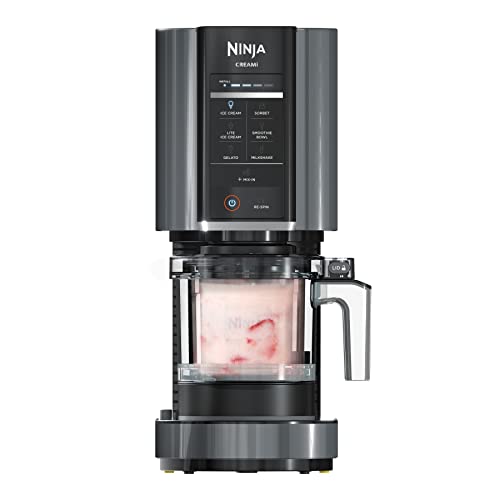
The Ninja Creami stands out from traditional ice cream makers with its unique Creamify technology that processes frozen solid bases into creamy treats. This review covers its performance, ease of use, and versatility for ice cream, sorbet, and gelato.

The Cuisinart Ice-100 is a top-tier compressor ice cream maker that delivers professional-quality frozen desserts with minimal effort. This review covers its performance, build quality, noise level, and how it compares to other compressor models.
First, check the bowl is fully frozen, usually 24 hours. Then inspect the drive shaft and paddle for ice or debris. If the motor hums but won't turn, the gear may be stripped. Try a manual turn to confirm. If it still fails, the motor or belt is likely broken.
To stop ice cream from getting icy, churn it longer until it reaches a soft-serve consistency, use a recipe with at least 14% fat, add a stabilizer like corn syrup or gelatin, and freeze it in an airtight container. Also, let it ripen in the freezer for 4 hours.
First, unplug the machine and check the bowl for ice buildup around the paddle. If frozen solid, let it thaw slightly and scrape it off. Next, inspect the drive shaft and motor coupling for wear. A broken belt or gear often causes stalls. Clean all parts and ensure the bowl is fully frozen before restarting.
To stop ice cream from getting icy, churn it with enough fat and sugar, add a stabilizer like corn syrup or gelatin, and store it in an airtight container at a consistent temperature. Freeze it quickly and avoid temperature fluctuations. If it's already icy, let it soften and re-churn.
Disassemble the machine immediately after use. Rinse removable parts in warm soapy water, then sanitize with a mild bleach solution or vinegar. Dry everything completely before reassembling. Never submerge the motor base or electrical components.
To stop ice cream from getting icy, churn it longer, use a higher fat content, and add a stabilizer like corn syrup or gelatin. Chill the mixture thoroughly before churning. Store it in an airtight container with plastic wrap on the surface. This prevents ice crystals from forming.
Check the bowl for ice buildup and the motor for overheating. Unplug, let it cool, and remove any frost. If the bowl is too full, reduce the batch size. For compressor models, ensure the condenser is clean. Most fixes are simple and take under ten minutes.
Your ice cream maker likely stops mid-cycle because the motor overheated, the bowl is too warm, or the mixture is too thick. First, unplug it and let it cool for 30 minutes. Then, check the bowl is fully frozen and thin the base with more liquid. Restart and monitor.
The quick fix is to reduce water content and churn faster. Use more fat and sugar, add a stabilizer like corn syrup, and pre-chill your mixture. Churn until soft-serve consistency, then freeze in an airtight container. Cover the surface with plastic wrap to block air.
Your ice cream maker likely isn't freezing because the bowl wasn't pre-frozen long enough, the freezer isn't cold enough, or the compressor model needs more time. Check the bowl's freeze time, freezer temperature, and recipe. Also, ensure the machine is clean and the paddle turns properly.
Unplug the machine and remove the bowl, paddle, and lid. Wash them in warm, soapy water. Do not submerge the motor base. Wipe the base with a damp cloth. Dry all parts fully before reassembling. Never use abrasive cleaners or put parts in the dishwasher unless the manual says so.
Unplug the machine and check the drive socket and paddle for ice or debris. A frozen drive gear is the most common culprit. Thaw the bowl slightly, clear the obstruction, and reassemble. If the motor still won't turn, it may have overheated. Let it cool for 30 minutes before retrying.
Clean the bowl, paddle, and lid with warm soapy water after each use. Never submerge the motor base or use abrasive scrubbers. Dry all parts fully before storing. For stuck residue, let the bowl sit with warm water, then wipe gently.
First, check if the bowl is fully frozen. A soft bowl won't freeze the mix, so the motor strains and stops. If frozen, let the machine rest for 30 minutes to reset the thermal overload. Then test the paddle and drive shaft for jams. Clean and reassemble, then try again.
Your ice cream maker won't freeze because the bowl isn't cold enough, the compressor is weak, or the mixture is too warm. Freeze the bowl for 24 hours, chill the base to 40°F, and ensure the machine runs for the full cycle. Check the compressor if it's a self-freezing model.
Ice crystals ruin the creamy texture of homemade ice cream. Learn why they form and how to prevent them with stabilizers, proper storage, and recipe tweaks.
Is your ice cream maker producing soup instead of scoopable treats? We break down the most common freezing failures, from bowl temperature to ingredient balance, with step-by-step fixes to get you back to creamy perfection.