Drinking Glasses
Best drinking glasses compared for real buyers.
49 posts in this topic
Shopping for a drinking glasses? Our drinking glasses guides compare material, sizes, durability, style so you can match the right drinking glasses to your kitchen and budget without the guesswork.
Vintage glassware is generally safe for occasional use, but lead content and structural damage are real concerns. Leaded crystal can leach lead into drinks, especially acidic ones. Cracks and chips harbor bacteria and weaken the glass. Test for lead with home kits and inspect for damage. When in doubt, display rather than drink.
Most everyday drinking glasses are lead-free. Standard soda-lime glass contains no added lead. Lead crystal, however, can contain up to 30% lead oxide. For lead-free options, choose tempered glass, borosilicate glass, or ceramic. Check labels for 'lead-free' or 'crystal' warnings. When in doubt, use glass marked as lead-free.
Tumblers are short, wide glasses with thick bases, typically holding 8 to 12 ounces. Highball glasses are tall and narrow, with capacities from 8 to 12 ounces or more. Tumblers suit spirits on the rocks or neat, while highballs are for mixed drinks with ice and a large liquid volume.
A standard drinking glass holds 8 to 12 fluid ounces. The most common size is 8 ounces, often used for water. However, glasses vary widely. Tumblers may hold 12 to 16 ounces. Highball glasses often reach 12 ounces. Wine glasses typically hold 5 ounces of wine, though the glass itself holds more. Check the bottom or side for markings.
Most drinking glasses are dishwasher safe, but not all. Tempered glass and standard soda-lime glass usually handle the cycle fine. Crystal, hand-painted, or metallic-trimmed glasses can crack or fade. Check the manufacturer's label first. Place glasses securely and use a gentle cycle to prevent damage.
The best iced coffee glasses are double-wall insulated tumblers, which keep drinks cold without condensation. Mason jars and sturdy glass tumblers work well for casual use. Look for 12 to 16 ounce capacity, dishwasher safety, and a wide mouth for ice. Avoid thin glass that cracks with temperature changes.
The best drinking glasses for a home bar are versatile, durable, and sized for common cocktails. Rocks glasses suit spirits, highballs handle mixed drinks, and coupes serve martinis. Choose tempered glass or crystal for clarity and chip resistance. Match glass shape to drink style for better aroma and temperature control.
A standard drinking glass typically holds 8 to 12 fluid ounces. The 8-ounce glass is common for water, while 12-ounce glasses are used for soft drinks. However, sizes vary widely, from small juice glasses at 6 ounces to large tumblers at 16 ounces. Always check the label or measure to be sure.
The Glencairn glass is best for most whiskey drinkers because its tulip shape concentrates aromas and its heavy base suits neat pours. For iced drinks, a rocks glass works better. Choose based on how you drink.
Crystal contains lead oxide or other metal oxides, while glass is silica-based. Crystal is heavier, clearer, and rings when tapped. Glass is lighter, more durable, and cheaper. Choose crystal for elegance and glass for everyday practicality.
A standard drinking glass typically holds 8 to 12 fluid ounces. The most common size is 8 ounces, often used for water and juice. However, glass sizes vary widely by type and purpose. Highball glasses hold 8 to 12 ounces, while tumblers range from 8 to 14 ounces. Shot glasses are just 1.5 ounces. Always check the label or measure to be sure.
No, drinking from cracked glass is not safe. Cracks weaken the glass and can harbor bacteria. They can also shatter suddenly, causing injury. Even a small crack compromises the glass's integrity. Replace cracked glassware immediately.
For everyday use, choose tempered glass or durable soda-lime glass. These resist thermal shock and daily wear. Look for a 10 to 12 ounce capacity. That size suits water, juice, and iced tea. A slightly tapered shape feels balanced in hand. Consider dishwasher-safe options for easy cleaning.
Yes, most drinking glasses are dishwasher-safe, but it depends on the material and finish. Tempered glass, like Pyrex, handles heat well. Crystal, hand-painted, or gold-rimmed glasses can crack, cloud, or fade. Check for a dishwasher-safe label. When in doubt, wash those by hand. Load glasses securely to prevent chipping.
Store everyday glasses upright on open shelves or in a cabinet with felt liners. Use a stemware rack for wine glasses to prevent breakage. Keep glasses away from high-traffic areas. For long-term storage, wrap each glass in acid-free tissue paper. Always handle glasses by the base or bowl, not the rim.
For everyday use, a durable, dishwasher-safe glass with a comfortable grip and a capacity around 12 to 14 ounces works best. Tempered glass resists thermal shock and breakage. Choose a design with a wide base for stability. Brands like Libbey and Duralex offer reliable options.
The best material for drinking glasses depends on your priorities. Tempered glass offers clarity and durability for everyday use. Ceramic retains temperature well but chips easily. Stainless steel is unbreakable and insulated. Plastic is lightweight and safe for kids. Choose based on your needs.
From tumblers to champagne flutes, learn about the most common drinking glass types, their typical capacities, uses, and materials. This guide helps you choose the right glass for any beverage.

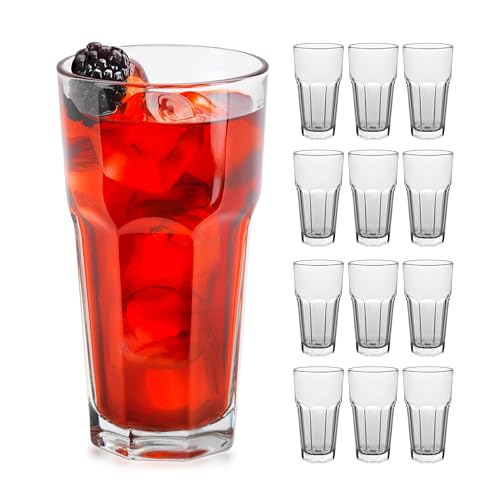
The Libbey Gibraltar tumbler is a heavyweight champion of everyday glassware. With its thick base, stackable design, and dishwasher-safe durability, it's built to last. Our editorial team compared specifications, buyer feedback and key decision factors to see how it stacks up against competitors.

Schott Zwiesel Tritan crystal glassware offers remarkable break resistance and dishwasher safety without sacrificing clarity or elegance. Our editorial team compared specifications, buyer feedback and key decision factors to see how these glasses stack up against traditional crystal.

A deep look at the Libbey Gibraltar stackable tumblers: their durability, stackability, dishwasher safety, and overall value compared to other everyday glasses.
Crystal and glass drinking glasses look similar but differ in clarity, weight, durability, lead content, and price. Our editorial team compared specifications, buyer feedback and key decision factors to help you choose the right set for your home.
Choosing between standard glass and lead-free crystal drinking glasses depends on your priorities: clarity, weight, durability, price, and occasion. We compare both to help you decide.
Cloudy glasses usually come from hard water minerals or etching. Hard water leaves a film you can often wipe off. Etching is permanent damage from harsh detergents and heat. Check if the film wipes away to tell the difference.
Mix equal parts white vinegar and warm water in a bowl. Submerge the glasses for 10 minutes, then scrub with a soft sponge. Rinse thoroughly with hot water and dry with a lint-free cloth. For hard water spots, use full-strength vinegar on a cloth. Avoid vinegar on antique or delicate glass.
Hard water minerals and detergent residue are the usual culprits. They leave a film that repels water. Clean glasses with a vinegar rinse or citric acid cycle. Use a rinse aid and check your water temperature. This restores sparkle quickly.
Cloudy glasses usually come from hard water minerals, detergent residue, or etching. Hard water and residue can be removed with vinegar or citric acid. Etching is permanent and happens when harsh dishwasher cycles wear down the glass. Switch to a gentle cycle and rinse aid to prevent new film.
Cloudy glasses usually come from hard water minerals or etching. First, check your rinse aid and dishwasher detergent. If the film wipes off, it's hard water; if it's permanent, it's etching. Use a citric acid rinse or switch to a phosphate-free detergent. For etching, prevention is key, as it's irreversible.
Soak glasses in equal parts white vinegar and warm water for 10 minutes, then scrub with a soft sponge. Rinse thoroughly and dry immediately with a lint-free cloth. For stubborn spots, use a paste of baking soda and water. This dissolves mineral deposits without scratching glass.
Soak glasses in equal parts white vinegar and warm water for 10 minutes, then scrub with a soft cloth or sponge. Rinse with hot water and dry immediately with a lint-free towel. For stubborn spots, use a paste of baking soda and water. This dissolves mineral deposits without scratching glass.
Soak glasses in undiluted white vinegar for 15 minutes, then scrub with a soft sponge and rinse. For stubborn film, use a citric acid solution or a denture tablet. Dry with a lint-free cloth. If the cloudiness remains after cleaning, it is etched and cannot be fixed.
For light scratches, use a paste of baking soda and water. Rub gently in circles, rinse, and dry. For deeper marks, try a glass polish. If scratches remain, replace the glass to avoid bacteria and breakage.
To stop drinking glasses from breaking, handle them gently, avoid sudden temperature changes, and store them with space between. Use a rubber mat in the sink and dry them on a towel. Replace any glass with a chip or crack immediately.
Spots on glasses come from hard water minerals or leftover food. The dishwasher dries them onto the glass. Use a rinse aid, increase water temperature, and load glasses properly. Clean the dishwasher filter regularly. For stubborn film, try a citric acid rinse.
Your glasses likely have hard water spots or a film from detergent buildup. Run a rinse cycle with white vinegar in a cup on the top rack. Then, clean your dishwasher filter and use a rinse aid. If spots persist, check your water softener settings.
Soak glasses in equal parts white vinegar and warm water for 10 minutes, then scrub with a soft cloth. For stubborn spots, use a paste of baking soda and water. Rinse and dry immediately.
Soak glasses in white vinegar for 15 minutes, then scrub with a soft sponge and rinse. For hard water film, use a citric acid solution. For etched glass, no home fix works. Prevention is easier than repair.
Soak glasses in white vinegar for 15 minutes, then scrub with a soft sponge and rinse. For stubborn stains, use a paste of baking soda and water. Dry immediately with a lint-free cloth to prevent new spots.
You can smooth a small chip with a glass file or fine sandpaper, working wet and in one direction. For deeper chips, use epoxy filler and let it cure. If the crack runs or the chip is large, replace the glass. Safety first.
Cloudy glasses usually come from hard water minerals or etching. Wash them with white vinegar or citric acid to dissolve mineral film. For etching, no fix works. Use a rinse aid and soft water to prevent new cloudiness.
Wash glasses in hot, soapy water, then rinse with white vinegar or a dishwasher rinse aid. Dry immediately with a lint-free microfiber cloth. This prevents mineral deposits and water spots. For hard water, use a citric acid rinse. Avoid air drying.
To stop drinking glasses from breaking easily, handle them gently, avoid sudden temperature changes, and store them with space between each. Use a rubber mat in the sink and dishwasher. Choose tempered glass for durability. Replace any glass with chips or cracks immediately.
Hard water minerals like calcium and magnesium leave spots when water evaporates. Rinse glasses in distilled water or dry them immediately with a lint-free cloth. Add a rinse aid to your dishwasher. For hand washing, use a final vinegar rinse. These steps stop spots before they form.
Soak stained glasses in white vinegar for 15 minutes, then scrub with a soft cloth or sponge. For stubborn spots, make a paste of baking soda and water. Rinse thoroughly and dry with a lint-free towel to prevent new spots.
Water spots on drinking glasses are frustrating but fixable. Learn why they form and the best ways to remove and prevent them using vinegar, lemon juice, rinse aids, and proper drying techniques.
Cloudy drinking glasses are usually caused by hard water deposits or etching from dishwasher detergent. Learn how to restore clarity with vinegar soaks, baking soda scrubs, and prevention tips.
Learn how to avoid chipping and shattering in drinking glasses through proper handling, storage, dishwasher loading, and material selection. Understand the differences between soda-lime and borosilicate glass to choose the right glassware for your needs.
Cloudy drinking glasses are usually caused by hard water stains or glass etching. Learn how to remove the haze with vinegar, baking soda, or commercial products, plus prevention tips.