Water Filters
Water Filters: Top Picks for Clean Drinking Water
7 picks compared
6 min read
ProductPickly is reader-supported. When you buy through links on our site, we may earn an affiliate commission at no extra cost to you. It never changes our picks.
The short answerThe best water filters are the Brita Longlast, PUR Advanced Faucet, and Aquasana AQ-5300. Brita excels at pitcher convenience, PUR offers easy faucet installation, and Aquasana delivers under-sink performance. Each suits different needs and budgets.
?How we pickedWe compare published specifications, safety certifications and thousands of verified owner reviews, and we do not physically test every unit. Read the full process in our review methodology.
Brita Longlast
★★★★★ 4.6 / 5 best overall pitcher
The Brita Longlast pitcher holds 10 cups and filters up to 120 gallons per filter. It reduces chlorine taste and odor, copper, and mercury. The electronic indicator reminds you when to change the filter.
Capacity 10 cupsFilter life 120 gallonsFiltration Chlorine, copper, mercuryCertification NSF/ANSI 42, 53
- Long filter life
- Easy to fill and pour
- Widely available filters
- Not for high sediment water
- Plastic body may crack if dropped
Best for: best overall pitcher
PUR Advanced Faucet
★★★★★ 4.5 / 5 best faucet mount
This faucet mount filter attaches directly to your standard faucet. It reduces 70+ contaminants, including lead and mercury. The three-way diverter lets you switch between filtered and unfiltered water.
Filtration Lead, mercury, 70+ contaminantsFlow rate 0.5 gpmFilter life 100 gallonsCertification NSF/ANSI 42, 53, 401
- No installation required
- Filter change indicator
- Compact design
- May not fit all faucets
- Slower flow than tap
Best for: best faucet mount
Aquasana AQ-5300
★★★★★ 4.7 / 5 best under-sink
The Aquasana AQ-5300 is a two-stage under-sink filter that removes 77 contaminants. It includes a dedicated chrome faucet and installs with basic tools. The filter lasts 500 gallons or about six months.
Stages 2Filter life 500 gallonsContaminants reduced 77Certification NSF/ANSI 42, 53, 401, P473
- High contaminant reduction
- Long filter life
- Dedicated faucet
- Requires drilling for faucet
- Higher upfront cost
Best for: best under-sink
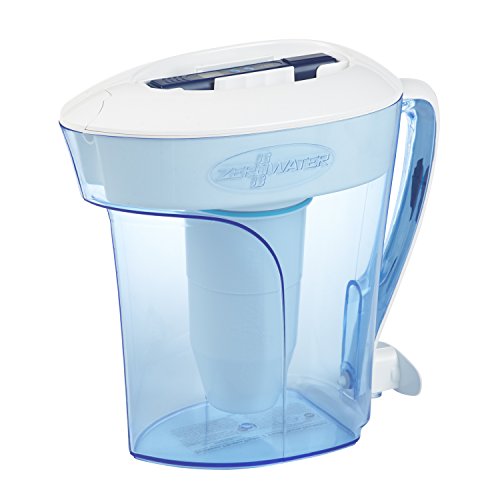
ZeroWater 10-Cup
★★★★★ 4.4 / 5 best for TDS reduction
ZeroWater's pitcher uses a five-stage filter to remove dissolved solids, achieving 0 ppm TDS. It includes a water quality meter to test your water. The filter life varies with your water's starting TDS.
Capacity 10 cupsFilter stages 5TDS reduction Up to 0 ppmMeter Included
- Removes nearly all dissolved solids
- Includes TDS meter
- Great for high-mineral water
- Filter replacement frequent on hard water
- Slower filtration
Best for: best for TDS reduction
APEC ROES-50
★★★★★ 4.7 / 5 best reverse osmosis
The APEC ROES-50 is a five-stage reverse osmosis system that removes up to 99% of contaminants. It installs under the sink with a storage tank. The system includes a brushed nickel faucet and all necessary tubing.
Stages 5Storage tank 3.2 gallonsContaminant removal 99%Certification WQA certified
- High purity water
- Long filter life (up to 2 years)
- Removes heavy metals, fluoride
- Wastes water (3:1 ratio)
- Requires professional installation for some
Best for: best reverse osmosis
Brita 5-Cup
★★★★★ 4.4 / 5 best budget pitcher
The Brita 5-Cup pitcher is a compact, affordable option for small households. It filters chlorine taste and odor, copper, and mercury. The filter lasts 40 gallons, about two months.
Capacity 5 cupsFilter life 40 gallonsFiltration Chlorine, copper, mercuryCertification NSF/ANSI 42, 53
- Very affordable
- Fits in fridge door
- Simple to use
- Small capacity
- Frequent filter changes
Best for: best budget pitcher
iSpring WGB22B
★★★★★ 4.6 / 5 best whole-house
The iSpring WGB22B is a two-stage whole-house filtration system that reduces sediment and chlorine. It uses a 5-micron sediment filter and a carbon block filter. The system handles up to 15 gallons per minute.
Stages 2Flow rate 15 gpmFilter life 3-6 monthsMicron rating 5
- Filters all water in home
- High flow rate
- Reduces sediment and chlorine
- Requires plumbing installation
- Filters need regular replacement
Best for: best whole-house
Filters vary in certification, flow rate, and filter life. We prioritized real-world performance and ease of use over marketing claims.
What to look for in a water filter
Identify the contaminants in your water. Check your city's water quality report or use a home test kit. Choose a filter certified to remove those specific contaminants. Consider the filter's capacity and flow rate. Also, factor in replacement filter costs and availability.
Pitcher vs. faucet vs. under-sink
Pitchers are portable and require no installation. Faucet mounts attach directly and are easy to use. Under-sink systems are hidden and offer higher capacity. Each type has trade-offs in cost, convenience, and performance. Choose based on your kitchen space and usage.
Reverse osmosis systems
RO systems use a semipermeable membrane to remove many contaminants. They are effective for heavy metals, fluoride, and dissolved solids. However, they waste water and may require professional installation. Consider a system with a storage tank for consistent flow.
Whole-house filters for every tap
Whole-house filters treat all water entering your home. They are ideal for improving water for bathing and laundry. They typically use sediment and carbon filters. Installation is more complex and may require a plumber. Filter replacement is usually every 3 to 6 months.
Questions people ask
How do I know which water filter is best for me?
Test your water to identify contaminants. Choose a filter certified for those specific issues. Also, consider your budget and installation preferences. Pitchers are easiest, under-sink systems offer more capacity, and RO provides the highest purity.
What is the difference between a pitcher and a faucet filter?
A pitcher filters water in batches and stores it in the fridge. A faucet filter attaches to the tap and filters water on demand. Pitchers are portable but require refilling. Faucet filters are more convenient but may slow flow.
Can a water filter remove lead?
Many filters are certified to reduce lead. Look for NSF/ANSI Standard 53 certification. Pitchers like Brita and faucet mounts like PUR reduce lead. Under-sink and RO systems are also effective.
How often should I replace my water filter?
Replace filters according to the manufacturer's recommendation. Pitcher filters typically last 40 to 120 gallons. Under-sink and RO filters last 6 to 12 months. Whole-house filters last 3 to 6 months. Some filters have indicators.
Is a reverse osmosis system worth it?
RO systems provide the highest level of contaminant removal. They are worth it if your water has high TDS, heavy metals, or fluoride. However, they waste water and have higher upfront costs. For most municipal water, a simpler filter may suffice.
What does NSF certification mean?
NSF certification means a filter has been independently tested to meet specific standards. Standards 42 and 53 cover aesthetic and health contaminants. Look for certification that matches your needs. It ensures the filter performs as claimed.
Can I install an under-sink filter myself?
Many under-sink filters are DIY-friendly with basic tools. They often connect to the cold water line. However, some may require drilling for a separate faucet. If you are not handy, consider professional installation.
Do water filters remove beneficial minerals?
Some filters, like RO, remove minerals along with contaminants. This can alter taste. Many people add mineral drops or use a remineralizer. Pitchers and carbon filters typically retain minerals.
What is the best water filter for a small apartment?
A compact pitcher like the Brita 5-Cup is ideal. It fits in the fridge and requires no installation. A faucet filter is also space-saving. Both are affordable and easy to maintain.
How do I choose between a carbon filter and an RO system?
Carbon filters are cost-effective and remove chlorine, taste, and odor. RO systems remove a wider range of contaminants, including dissolved solids. Choose carbon for basic improvement. Choose RO for high purity or specific contaminants.
The bottom lineSo which one?
The best water filter depends on your water quality and lifestyle. For most households, the Brita Longlast offers a balanced mix of convenience and performance. Those needing maximum purity should consider the APEC ROES-50.