Bread Makers
Bread Makers Compared: Top Picks for Every Baker
7 picks compared
6 min read
ProductPickly is reader-supported. When you buy through links on our site, we may earn an affiliate commission at no extra cost to you. It never changes our picks.
The short answerThe Zojirushi Virtuoso Plus leads for versatility and crust control. The Cuisinart CBK-110 offers excellent value with dual paddles. For budget buyers, the Hamilton Beach 29882 delivers reliable results without extras.
?How we pickedWe compare published specifications, safety certifications and thousands of verified owner reviews, and we do not physically test every unit. Read the full process in our review methodology.
Zojirushi Virtuoso Plus
★★★★★ 4.8 / 5 Best overall
The Virtuoso Plus offers dual paddles for even mixing and a 2-pound capacity. Its 13-hour timer and 3 crust settings give precise control. Owners praise its consistent results and quiet operation.
Capacity 2 lbLoaf Shapes Regular, large, extra largeCrust Settings 3Programs 15
- Dual paddles knead thoroughly
- Customizable crust and loaf size
- Durable construction
Cuisart CBK-110
★★★★★ 4.6 / 5 Best value
The CBK-110 includes a 2-pound capacity and 12 preprogrammed settings. Its dual paddles ensure even mixing, and the viewing window lets you monitor progress. Owners find it easy to clean and reliable.
Capacity 2 lbPrograms 12Crust Settings 3Paddles 2
- Great value for features
- Dual paddles for even kneading
- Viewing window
- No gluten-free cycle
- Some report noisy operation
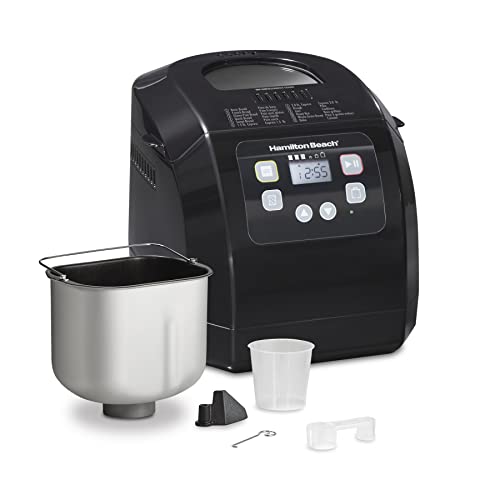
Hamilton Beach 29882
★★★★★ 4.4 / 5 Best budget
This model offers a 2-pound capacity and 12 programs at a budget price. It includes a gluten-free setting and a rapid bake cycle. Owners like the collapsible kneading paddle for easy removal.
Capacity 2 lbPrograms 12Gluten-Free YesRapid Bake Yes
- Budget-friendly
- Gluten-free setting
- Collapsible paddle
- Plastic housing feels less sturdy
- No delay timer on some versions
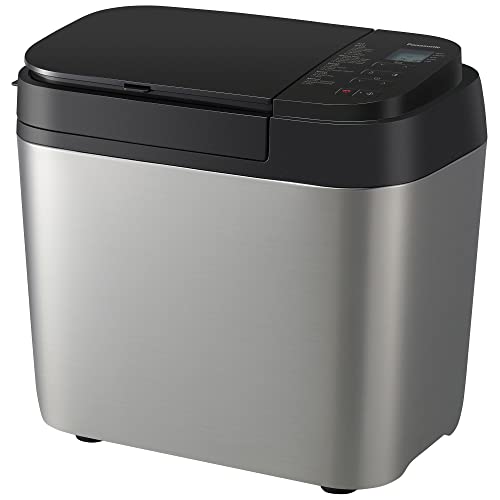
Panasonic SD-YD250
★★★★★ 4.6 / 5 Best for gluten-free
The SD-YD250 features a dedicated gluten-free program with a separate yeast dispenser. It also has a 2-pound capacity and 13 programs. Owners report excellent gluten-free loaves with good rise.
Capacity 2 lbPrograms 13Gluten-Free Program YesYeast Dispenser Automatic
- Excellent gluten-free results
- Automatic yeast dispenser
- Compact design
- Higher price
- No viewing window
Best for: Best for gluten-free
Breville Custom Loaf BBM800
★★★★★ 4.7 / 5 Best for crust control
The Breville offers 13 crust settings and a unique collapsible paddle. It has a 1.5 to 2.5 pound capacity and 12 programs. Owners love the ability to fine-tune crust color and loaf size.
Capacity 1.5-2.5 lbCrust Settings 13Programs 12Paddle Collapsible
- Wide crust control
- Collapsible paddle leaves no hole
- Large capacity
- Expensive
- Takes up counter space
Best for: Best for crust control
West Bend Hi-Rise 41030
★★★★★ 4.3 / 5 Best for large families
The Hi-Rise makes 3-pound loaves, ideal for big households. It includes 12 programs and a rapid bake cycle. Owners appreciate the large capacity and straightforward controls.
Capacity 3 lbPrograms 12Rapid Bake YesLoaf Shape Vertical
- Large 3-pound loaves
- Simple controls
- Good for sandwiches
- Bulky
- No gluten-free cycle
Best for: Best for large families
Oster ExpressBake CKSTBRTW20
★★★★★ 4.3 / 5 Best for beginners
The ExpressBake offers 12 programs and a 2-pound capacity. Its ExpressBake setting makes a loaf in under an hour. Owners find it intuitive and forgiving for first-time bakers.
Capacity 2 lbPrograms 12ExpressBake YesGluten-Free No
- Fast bake cycle
- Easy to use
- Affordable
- No gluten-free setting
- Single paddle
Best for: Best for beginners
Key differences include pan shape, paddle design, and the number of crust settings. Some machines excel at gluten-free loaves, while others handle jam or dough-only cycles. Our picks cover every major decision branch.
Capacity and Loaf Size
Bread makers typically bake 1, 1.5, 2, or 3-pound loaves. Consider your household size and how much bread you consume. A 2-pound machine suits most families. Larger models take up more counter space. Smaller machines are fine for singles or couples.
Programs and Settings
Basic machines offer 12 or more preprogrammed cycles. Look for settings like whole wheat, gluten-free, and dough-only. Rapid bake cycles cut time but may produce denser loaves. A delay timer lets you wake up to fresh bread. Crust control settings allow light, medium, or dark crusts.
Paddle Design and Cleaning
Traditional paddles leave a hole in the loaf bottom. Collapsible paddles fold during baking to reduce that issue. Dual paddles knead more evenly but add complexity. Removable pans and nonstick coatings simplify cleaning. Check if the paddle is dishwasher safe.
Special Features and Accessories
Some machines include a fruit and nut dispenser for automatic add-ins. A viewing window lets you monitor progress. A yeast dispenser ensures proper timing. Consider the machine's footprint and weight. Read owner feedback for real-world performance and durability.
Questions people ask
What is the best bread maker for beginners?
The Oster ExpressBake CKSTBRTW20 is a great starting point. Its one-touch operation and fast bake cycle make it forgiving. Beginners also appreciate its affordable price and simple controls.
Can I make gluten-free bread in any bread maker?
Many machines have a gluten-free cycle, but not all. The Panasonic SD-YD250 and Hamilton Beach 29882 include dedicated settings. Check the specifications before buying if gluten-free is a priority.
How long does a bread maker take to bake a loaf?
Standard cycles take 3 to 4 hours. Rapid bake cycles can finish in under an hour. The Oster ExpressBake has a setting that bakes in about 58 minutes. Longer cycles often yield better texture.
Is a bread maker worth it?
It depends on how often you eat bread. Regular use can save money and let you control ingredients. Owners who bake weekly find them convenient. If you bake rarely, a bread maker may not justify its cost.
What is the difference between a 1-pound and 2-pound bread maker?
Capacity is the main difference. A 1-pound machine makes smaller loaves, suitable for one or two people. A 2-pound machine suits families and produces standard sandwich-sized loaves. Larger machines take up more space.
Can I use bread flour instead of all-purpose flour?
Yes, bread flour has higher protein, giving better structure. Many recipes call for bread flour. Some machines have a whole wheat cycle for denser flours. Check your machine's manual for flour recommendations.
How do I clean a bread maker?
Unplug it and let it cool. Remove the bread pan and paddle. Wash them with warm soapy water or in the dishwasher if marked safe. Wipe the interior with a damp cloth. Avoid submerging the base.
What is the best bread maker for large families?
The West Bend Hi-Rise 41030 makes 3-pound loaves. It's ideal for big households. Its large capacity and simple controls are popular. Consider the counter space it requires.
Can I make dough in a bread maker?
Yes, most bread makers have a dough-only cycle. It mixes and kneads without baking. You can then shape and bake in a conventional oven. This is great for pizza dough or rolls.
What is the difference between a bread maker and a bread machine?
They are the same appliance. The terms are used interchangeably. Both refer to a countertop device that mixes, kneads, proofs, and bakes bread.
The bottom lineSo which one?
For most bakers, the Zojirushi Virtuoso Plus is the top choice, offering exceptional control and consistency. If you want a balance of features and price, the Cuisinart CBK-110 is a strong pick. Budget shoppers will find the Hamilton Beach 29882 reliable and affordable.