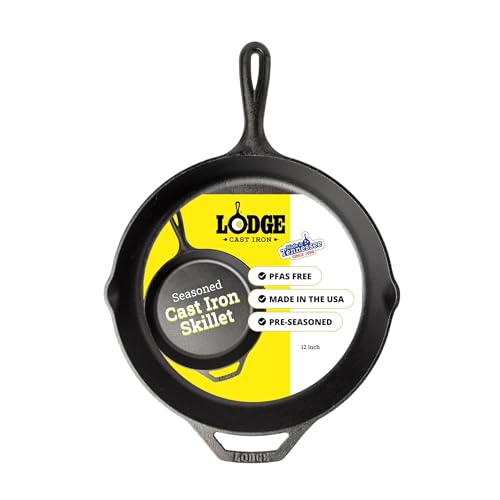
If you want one pan that does almost everything, the Lodge Pre-Seasoned Cast Iron Skillet is our top pick among the best 12-inch skillets. It sears, bakes, and holds heat better than almost anything in its class, and it can last for decades with simple care. The rest of this guide explains how we chose, what separates a dependable 12-inch skillet from a frustrating one, and which material fits the way you actually cook.
Why a 12-inch skillet is the pan you reach for most
A 12-inch skillet sits in the sweet spot of home cooking. It is wide enough to sear four chicken thighs without crowding, roomy enough for a family-size stir fry, and still shallow enough to flip an omelet or toss vegetables with a quick wrist motion. That extra surface area matters more than people expect. When a pan is too small, food steams in its own moisture instead of browning, and browning is where most of the flavor in a seared or sauteed dish comes from.
The trade off is that a 12-inch pan is larger and heavier than a 10-inch one, so the handle, the balance, and the material all become more important. A heavy cast iron pan rewards you with heat retention but asks for stronger wrists. A lighter nonstick pan is easy to lift and clean but needs gentler treatment to protect its coating. There is no single perfect skillet, only the one that matches your cooktop, your menu, and your tolerance for upkeep. That is the lens we used to sort the options below.
How we picked these 12-inch skillets
We build these roundups by studying current Amazon listings in the 12-inch skillet category and comparing them on the details that actually change the cooking experience. That means reading the stated material and construction, the oven-safe limit, the cooktop and induction compatibility, the handle design, whether a lid is included, and the pattern of owner feedback across hundreds of reviews. We weigh how each pan is described against the way most people cook at home, then shortlist the models that cover the widest range of real kitchens.
We want to be plain about one thing. We have not physically cooked on every single unit in this guide, and we do not pretend to. Our selections come from specifications, published product details, materials, and the balance of verified owner reviews rather than a controlled lab test of each pan. We tell you what a listing promises, where a design tends to shine, and where a known trade off is likely to show up, so you can match a pan to your own cooking instead of to a marketing line.
What to look for in a 12-inch skillet
Material decides almost everything
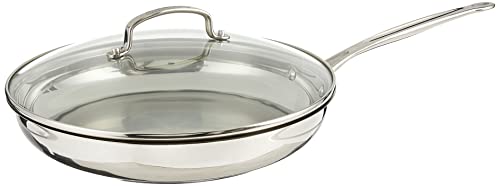
Material is the first fork in the road. Cast iron, like our top Lodge pick, holds heat like a battery and crisps a crust beautifully, but it is heavy and needs seasoning and hand washing. Stainless steel, especially a tri-ply or clad build, gives you even heat, a very high oven limit, and a surface that loves fond for pan sauces, though food will stick if you skimp on preheat and fat. Nonstick pans, including granite style and ceramic coatings, make eggs and fish slide right out and clean up in seconds, but every coating wears over time. Carbon steel is a fourth option that behaves like a lighter, more responsive cousin of cast iron, prized by cooks who want searing power without as much weight. None of the pans here are carbon steel, but it is worth knowing the category exists if that profile appeals to you.
Oven safety and heat limits
If you like to start a dish on the stove and finish it under the broiler or in the oven, check the oven-safe rating before you buy. Bare cast iron and bare stainless handle very high temperatures with ease. Pans with coatings or plastic handle sleeves usually carry a lower ceiling, so confirm the number rather than assuming. Several picks here, including the EWFEN tri-ply stainless pan, list a high oven limit that makes stovetop to oven cooking straightforward.
Induction compatibility
Induction cooktops only work with cookware that is magnetic at the base. Cast iron and most clad stainless pans qualify, and many modern nonstick pans now add a magnetic plate so they work too. If your kitchen runs on induction, look for a clear induction-ready note in the listing, which several pans in this guide include, and skip any pan that stays silent on the subject.
Handle, lid, and the little things
A good handle is riveted or welded securely, stays reasonably cool, and balances the weight of a full pan. A helper handle on the far side is a real bonus on a heavy 12-inch skillet, since lifting a loaded pan one-handed is how accidents happen. A matching lid turns a frying pan into a mini braiser, letting you simmer, steam, and keep splatter down, and several picks here ship with a glass lid so you can watch food without lifting the cover.
Living with a nonstick coating
Most of the easy-release pans in this guide use a nonstick or ceramic coating, and they all share the same care rules. Coatings wear down with time and heat, so they are consumable in a way cast iron and stainless are not. To make one last, keep the heat to low or medium, never preheat an empty coated pan on high, use wooden, silicone, or other non-metal utensils, and avoid aggressive scouring. Treated kindly, a quality coated pan serves well for years. Treated like cast iron, it will peel far sooner.
The bottom line
For the widest range of cooks, the Lodge Pre-Seasoned Cast Iron Skillet is the 12-inch skillet we would buy first, because it does more jobs well and lasts longer than anything near it. If you want quick cleanup and a lighter pan, the CAROTE granite nonstick with its glass lid is the easy value choice, while the EWFEN tri-ply stainless pan is the one to pick for searing and pan sauces. Match the material to how you really cook and any of these will earn its spot on the stove. For more comparisons, browse our 12-inch skillet hub and the rest of our home and kitchen guides.