Air Purifiers
Best air purifiers compared for real buyers.
84 posts in this topic
Shopping for a air purifier? Our air purifiers guides compare CADR, filter type, room size, noise so you can match the right air purifier to your kitchen and budget without the guesswork.
Yes, an air purifier with a HEPA filter can significantly reduce pet dander in the kitchen. It captures airborne allergens like dander, dust, and fur. For best results, choose a model sized for your kitchen's square footage. Place it near pet activity areas. Run it continuously, especially during cooking.
Yes, air purifiers with activated carbon filters can remove cooking smoke odors and some airborne grease particles. HEPA filters capture fine smoke particles, but grease can clog them quickly. For heavy frying, a range hood is more effective. Choose a purifier with high CADR and pre-filters for kitchen use.
Yes, air purifiers with true HEPA filters can capture mold spores from the air. They do not kill mold or remove it from surfaces. For ongoing protection, combine an air purifier with moisture control and cleaning.
For pet dander, choose an air purifier with a true HEPA filter and a high CADR for allergens. Look for models with pre-filters to capture hair. The best overall is the Winix 5500-2, balancing performance and value. For budget, consider the Levoit Core 300.
Yes, air purifiers with HEPA filters can reduce airborne allergens like pollen, dust mites, and pet dander. They help by trapping particles that trigger symptoms. However, they don't remove allergens settled on surfaces. For best results, use them alongside regular cleaning and keep windows closed.
Yes, an air purifier can reduce kitchen dust, but it won't eliminate it. HEPA filters capture dust particles, while carbon filters handle odors and smoke. For best results, place it near the cooking area and run it during and after cooking. Regular cleaning still matters.
Yes, air purifiers can remove cooking smoke, but only with the right filters. HEPA filters capture smoke particles, while activated carbon absorbs odors and gases. For best results, choose a purifier with both and place it near the kitchen. Ventilation still helps.
Yes, an air purifier can help with cooking odors, but only if it has an activated carbon filter. HEPA-only models trap particles, not gases. For best results, choose a unit with a substantial carbon layer and place it near the kitchen. It won't replace a range hood, but it reduces lingering smells.
Yes, an air purifier can help with cooking smells and some grease particles, but it has limits. Models with activated carbon filters absorb odors like fish and onions. HEPA filters capture larger grease droplets, though they may clog faster. For heavy frying, range hoods remain the best defense. Choose a purifier with both carbon and HEPA for best results.
For kitchen smoke and grease, choose an air purifier with a high smoke CADR, a pre-filter to catch grease, and a carbon filter for odors. Models like the Blueair Blue Pure 211+ and Winix 5500-2 excel here. Place it near the cooking area, not on the counter. Change pre-filters often to keep performance high.
The best air purifier for kitchen odors combines a strong activated carbon filter with a high CADR for smoke and particles. Look for models with pre-filters to catch grease. The Coway Airmega AP-1512HH Mighty is a top pick for its balanced performance and washable pre-filter.
Air purifiers pull in room air, pass it through filters that trap particles and pollutants, then blow out cleaner air. Most use HEPA filters for particles and activated carbon for odors and gases. They do not remove all pollutants, and effectiveness depends on filter quality and room size.
Yes, an air purifier can help with dust and mold, but it is not a complete solution. HEPA filters capture airborne dust and mold spores, reducing their concentration. However, purifiers cannot remove mold already growing on surfaces. You must fix the moisture source first. Choose a purifier with a true HEPA filter and adequate CADR for your room size.
For allergies and pets, choose a HEPA air purifier with a high CADR for your room size. Look for models with a pre-filter to capture pet hair. Activated carbon helps reduce odors. Consider the Winix 5500-2 for its washable pre-filter and PlasmaWave technology.
Yes, air purifiers can remove cooking odors, but effectiveness depends on the filter. Activated carbon filters absorb odor molecules, while HEPA filters only capture particles. For strong smells like fish or curry, a purifier with a thick carbon layer works best. Placement near the kitchen also matters.
Yes, an air purifier can help with allergies by filtering airborne allergens like pollen, dust mites, and pet dander. It won't cure allergies, but it can reduce your exposure. For best results, choose a HEPA filter unit sized for your room. Keep windows closed and run it consistently.
Yes, air purifiers can remove cooking smells, but only with an activated carbon filter. HEPA filters capture particles, not odors. Look for a model with a high carbon filter weight and adequate CADR for your kitchen size. Place it near the source for best results.
The best air purifier for kitchen smoke and odors uses a high CADR for smoke plus a thick activated carbon filter. The Blueair Blue Pure 211+ Auto leads for large kitchens. It combines strong particle capture with odor adsorption. For smaller spaces, the Levoit Core 300 offers solid performance at a lower cost.
Yes, an air purifier can help reduce gas stove fumes, but it depends on the filter type and placement. HEPA filters capture particles, while activated carbon tackles gases and odors. For best results, choose a model with both and place it near the stove.
Yes, but with limits. HEPA filters capture grease particles, while activated carbon absorbs odors. Electrostatic precipitators handle airborne grease best. No purifier removes stuck-on grease from surfaces. For heavy cooking, use a range hood first, then an air purifier as backup.
The best air purifier for cooking odors and smoke combines a high CADR for smoke with a substantial activated carbon filter. The Blueair Blue Pure 211+ Auto excels here. It moves air quickly and its carbon filter tackles odors. For a budget pick, the Levoit Core 300 offers solid performance.
For a typical kitchen, choose an air purifier with a CADR rating that matches your room's square footage. Multiply the kitchen's length by width, then select a unit with a CADR of at least two-thirds of that area. For example, a 200 square foot kitchen needs a CADR around 130. Consider higher CADR for open layouts or heavy cooking.
Yes, air purifiers with true HEPA filters effectively remove dust and pet dander from the air. They capture particles as small as 0.3 microns, including common allergens. For best results, choose a unit sized for your room and run it continuously. Placement matters too, so keep it off the floor and away from walls.
Yes, air purifiers with activated carbon filters can reduce cooking odors, but they won't eliminate them instantly. They work best alongside ventilation. For heavy frying or fish, a range hood is more effective. Choose a model with a high CADR and carbon filter for best results.
Air purifiers pull room air through a fan, then pass it through filters that trap particles and gases. HEPA filters catch dust, pollen, and smoke. Activated carbon absorbs odors and VOCs. Some models add UV or ionization to neutralize microbes. The cleaned air then circulates back into the room.
The best air purifier for pet dander and dust uses a true HEPA filter and has a high CADR for smoke and dust. The Winix 5500-2 is a top pick because it combines a washable pre-filter, a carbon filter, and a HEPA filter. It also has a PlasmaWave feature. For large rooms, consider the Coway Airmega 400S. Both are effective and widely available on Amazon.
Yes, an air purifier with a HEPA filter can significantly reduce airborne dust and pet dander. It pulls in air, traps particles, and recirculates cleaner air. However, it won't remove dust already settled on surfaces. Regular cleaning and vacuuming are still essential for a truly dust-free home.
Yes, it is safe to run an air purifier all night. Most models are designed for continuous use and have safety certifications. They consume little electricity and produce minimal noise. Running it overnight can improve sleep quality by reducing allergens and pollutants. Just ensure proper placement and regular filter maintenance.
Yes, air purifiers can remove cooking odors, but not all models do it equally. Models with activated carbon filters absorb odor molecules effectively. HEPA filters capture particles but not gases. For best results, choose a purifier with a substantial carbon layer and adequate airflow for your kitchen size.
Yes, air purifiers with HEPA filters remove dust and pet dander from the air. They capture particles as small as 0.3 microns. However, they don't clean surfaces. Regular vacuuming and dusting are still necessary. Choose a purifier with a high CADR for larger rooms.
Yes, it is safe to leave an air purifier on all night. Most models are designed for continuous operation. Running it overnight helps maintain cleaner air while you sleep. Check the manufacturer's instructions for any specific warnings. Choose a quiet model to avoid sleep disruption.
Yes, air purifiers can help with smoke and odors, but only if they use activated carbon filters. HEPA filters capture particles, not gases. For smoke, you need both. Check the carbon filter weight. Bigger filters last longer and work better.
The best air purifiers for allergies and asthma use true HEPA filters to trap pollen, dust mites, and pet dander. Look for a high CADR rating for your room size. The Coway Airmega AP-1512HH Mighty is a top pick for most homes. It combines performance, value, and quiet operation.
Measure your room's square footage and multiply by the ceiling height to get cubic feet. Match that to the purifier's CADR rating. For a 200 square foot room with 8 foot ceilings, you need a CADR of at least 160. Choose a unit rated for a larger room if you want faster cleaning.
Yes, but only with the right filter. A HEPA filter alone won't remove odors. You need an activated carbon layer to adsorb smoke and food smells. Look for a purifier with a thick carbon filter and a high CADR for your kitchen size.
Yes, it is safe to use an air purifier in the kitchen while cooking, provided you place it away from direct heat and steam. Most purifiers handle smoke and odors, but they are not a substitute for a range hood. Choose a model with a pre-filter to protect against grease.
The best air purifier for pet dander in the kitchen combines a true HEPA filter with a high CADR for the room size. Consider the Levoit Core 400S for its smart features and pet-specific mode. It handles dander and cooking odors effectively. Place it near the pet's eating area.
Yes, an air purifier can help with cooking smoke, but only if it has a strong carbon filter and high airflow. HEPA filters capture particles, while activated carbon absorbs odors and gases. For best results, place it near the kitchen and run it on high during cooking.
The best air purifier for kitchen odors combines a strong activated carbon filter with a high CADR for smoke. The Coway Airmega AP-1512HH Mighty leads for its dual filtration and odor control. For larger kitchens, consider the Winix 5500-2 with its washable carbon pellets. Both handle cooking smells effectively.
Yes, air purifiers remove dust from the air. Most use HEPA filters that trap particles as small as 0.3 microns. They capture dust, pollen, and pet dander. However, they don't remove dust already settled on surfaces. Regular cleaning is still necessary.
Yes, it is safe to leave an air purifier on all night. Most models are designed for continuous operation. They use minimal electricity and produce no harmful emissions. Running it overnight improves air quality while you sleep. Just ensure proper placement and regular filter maintenance.
Yes, air purifiers can help with smoke, but only if they combine a HEPA filter for particles and a thick activated carbon filter for gases and odors. Look for a high CADR for smoke and a suitable room size. No purifier removes all smoke, but the right one cuts it significantly.
For allergies, choose a true HEPA air purifier with a CADR rating matched to your room size. The best overall is the Coway Airmega AP-1512HH Mighty. It combines strong filtration, quiet operation, and low running costs. For large rooms, consider the Winix 5500-2. For tight budgets, the Levoit Core 300 is a solid pick.
The best air purifier for mold uses a true HEPA filter to capture spores, plus a high CADR for quick air turnover. Look for models with activated carbon to reduce musty odors. Top picks include the Coway Airmega 400S and the Blueair Blue Pure 211+.
Yes, but only partially. HEPA filters capture grease particles, while activated carbon adsorbs odors. However, grease can clog filters quickly. For heavy frying, a range hood is more effective. Air purifiers work best for lingering smells and fine particles.
Yes, it is safe to run an air purifier in the kitchen while cooking, provided you place it away from direct heat and steam. Most purifiers use HEPA and carbon filters, which capture smoke particles and odors. However, they are not a substitute for a range hood. Keep the unit at least three feet from the stove.
Yes, an air purifier can help with cooking smoke, but it depends on the filter type and placement. HEPA filters capture smoke particles, while activated carbon tackles odors. For best results, place it near the kitchen and pair with ventilation.
For cooking odors, choose an air purifier with a substantial activated carbon filter, not just a HEPA filter. Look for models with high activated carbon weight and a pre-filter to capture grease. The Blueair Blue Pure 211+ Auto is a strong choice, as it combines a washable pre-filter with an activated carbon filter. Place it near the kitchen but not directly above the stove.
The best kitchen air purifier is one with a high CADR for smoke and odors, plus a washable pre-filter to trap grease. The Winix 5500-2 stands out for its combination of performance, value, and washable pre-filter. It handles smoke and odors well, making it a top choice for kitchens.
Air purifiers pull in air, trap pollutants in filters, and push clean air back out. Most use a fan and a HEPA filter to capture particles like dust and pollen. Some models add carbon filters for odors or UV light for germs. They work best in single rooms, not whole homes.
Air purifiers use various technologies like HEPA, activated carbon, UV-C, ionizers, and PECO to capture or neutralize airborne pollutants. This guide explains the science behind each method in simple terms.
This comprehensive guide explains CADR, filter types (HEPA, carbon, UV), room size matching, noise levels, and energy consumption to help you make an informed decision when buying an air purifier.


The Levoit Core 300 delivers strong True HEPA filtration for small to medium rooms at a budget-friendly price. With whisper-quiet operation, low energy use, and optional carbon filters, it's a top value pick. We compare it to other affordable purifiers to help you decide.
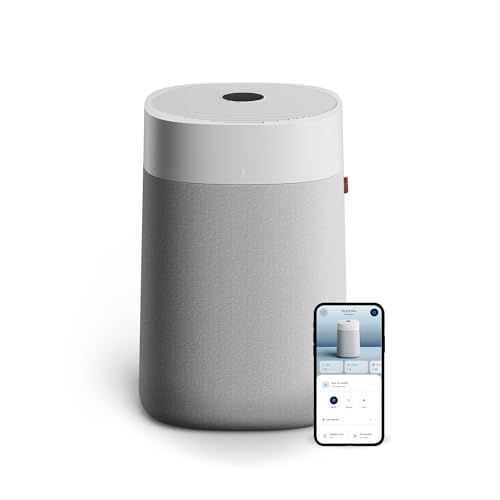
The Blueair Blue Pure 211+ combines a washable pre-filter, auto mode, and energy efficiency to deliver strong air cleaning for medium to large rooms. Our editorial team compared specifications, buyer feedback and key decision factors to help you decide if this is the right purifier for your home.

The Coway Airmega 400S combines powerful dual-filtration with smart features to clean large spaces up to 1,560 sq ft. Our editorial team compared specifications, buyer feedback and key decision factors to help you decide if this premium purifier is worth the investment.
Our editorial team compared specifications, buyer feedback and key decision factors to help you choose between Coway and Blueair air purifiers. We contrast top models like the Coway Airmega 400 and Blueair Blue Pure 211+ across CADR, filter technology, energy efficiency, noise, design, and price. Read on to see which brand wins for your needs.
We compare Coway Airmega and Blueair air purifiers head-to-head on CADR, filter costs, noise, smart features, and overall value to help you choose the best model for your needs.
Turn off and unplug the purifier. Remove the filter and vacuum it gently. For washable filters, rinse under cool water and air dry completely. Never wash HEPA filters. Reinstall only when fully dry. Check your manual for specific instructions.
First, check the filter. A clogged filter blocks airflow. Turn off and unplug the unit. Remove the front cover and inspect the filter. If it's gray or dusty, replace it. Also, check the fan and motor for obstructions. Clean the vents and ensure the unit is on a flat surface. If it still fails, contact support.
Turn off the unit, unplug it, and remove the filter. Vacuum the pre-filter and wipe down the interior. If the filter is wet or over a year old, replace it. Run the purifier on high for an hour in a ventilated room to dry out any moisture.
First, turn off and unplug the unit. Check the filter for clogs and debris; a dirty filter is the most common cause. Clean or replace it. Inspect the fan for obstructions. Tighten any loose screws. If noise persists, the motor may be failing, and you might need a replacement part or a new purifier.
First, check the filter. A clogged or misaligned filter is the most common cause of rattling or whining. Turn off the unit, remove the filter, and inspect it. If it's dirty, replace it. If it's clean, reseat it firmly. Then, place the purifier on a flat, stable surface and ensure nothing touches the grille.
Turn off the unit, unplug it, and clean the pre-filter and fan blades. Grease and dust from cooking cause imbalance. If noise persists, check for loose parts or a clogged HEPA filter. Replace the filter if it's over six months old. Reassemble and run on low speed.
To clean a greasy air purifier filter, first unplug the unit and remove the filter. Vacuum loose debris, then soak the filter in warm water with a degreasing dish soap for 15 minutes. Rinse gently, air dry completely for 24 hours, then reinstall. Never use harsh chemicals or scrub aggressively.
Your air purifier likely lacks an activated carbon filter, or the carbon is saturated. Cooking odors are gases, not particles. HEPA filters catch particles but not gases. Check your filter type and replace carbon filters every 3 to 6 months. Increase fan speed and run it longer after cooking.
Turn off and unplug the purifier. Remove the filter and rinse it under lukewarm water. Use mild dish soap if needed. Rinse thoroughly until water runs clear. Air-dry completely for 24 hours before reinstalling. Never use a dryer or heat.
Your air purifier likely can't remove smoke smell because its carbon filter is saturated, the CADR is too low for the room, or it's placed in a corner. Replace the carbon filter, ensure the unit is sized for the space, and position it centrally. Also, clean walls and fabrics that hold odor.
Your air purifier likely lacks an activated carbon filter or the carbon is exhausted. Check the filter type and replace it if needed. Increase fan speed and run it longer. Place it closer to the kitchen. Clean or replace pre-filters. If odors persist, consider a dedicated odor-removing model.
Clean the pre-filter every two weeks with a vacuum. Wash the outer grille monthly. Replace the HEPA filter every 6 to 12 months, depending on usage. Check the manual for your model. A clean unit moves more air and lasts longer.
Check the power cord, outlet, and circuit breaker first. Ensure the front panel and filter cover are closed securely. Reset the unit by unplugging it for 30 seconds. If it still won't turn on, inspect the filter for blockages or replace it. Persistent issues may need professional service.
First, check the filter. A clogged filter makes the fan work harder and louder. Turn it off, unplug it, and inspect the filter. Clean or replace it if dirty. Then, ensure the unit is on a flat, hard surface. Soft surfaces muffle airflow and amplify vibration. Finally, lower the fan speed. High speed is the loudest setting.
Unplug the unit, remove the filter, and vacuum it gently with a brush attachment. For washable pre-filters, rinse under cool water and dry completely. Never wash HEPA or carbon filters. Reinstall only when fully dry.
Clean a reusable filter every 2 to 4 weeks by vacuuming or rinsing it, then let it dry fully before reinstalling. Replace disposable filters every 6 to 12 months or when the indicator lights up. Check the manual for specific guidance.
Unplug the purifier, remove the filter, and vacuum both sides with a brush attachment. For washable pre-filters, rinse with warm water and mild soap, then dry completely. Never wash HEPA filters; replace them every 6 to 12 months depending on usage.
Your air purifier likely lacks the airflow or filter type for smoke. Check the CADR rating for smoke, replace a clogged filter, and move the unit closer to the stove. Run it on high during cooking. If smoke persists, the filter may be spent or the unit too small.
To clean a HEPA filter, first unplug the purifier. Remove the filter and vacuum both sides with a soft brush attachment. Never wash a true HEPA filter; water ruins it. If it's a washable pre-filter, rinse it. Let everything dry fully before reassembling.
First, check the power cord and outlet. Plug another device into the same outlet. If that works, inspect the cord for damage. Then, open the filter cover and ensure the filter is seated properly. Many units have a safety switch that prevents startup if the cover is loose.
Turn off and unplug the purifier. Remove the filter and vacuum both sides with a soft brush attachment. For washable pre-filters, rinse under lukewarm water and air dry completely. Never wash HEPA or carbon filters. Reinstall only when fully dry.
Your air purifier likely lacks enough activated carbon to adsorb cooking gases. Most models emphasize HEPA for particles, not odors. Check the filter type and replace carbon if exhausted. Position the unit near the source. For heavy frying, boost ventilation with a range hood.
Is your air purifier not working? Learn how to troubleshoot no power, weak airflow, strange noises, filter indicator stuck, and poor cleaning. Step-by-step fixes included.
Is your air purifier suddenly loud? Learn the common causes of excessive noise, from dirty filters to loose parts, and get step-by-step fixes to restore quiet operation.
If your air purifier fails to eliminate odors, the culprit is often a saturated carbon filter, wrong filter type, or insufficient airflow. Learn how to diagnose and fix the problem.
Is your air purifier suddenly loud? Learn the common causes like fan imbalance, dirty filters, and loose parts, plus step-by-step fixes to restore quiet operation.