Pull up bars are a cornerstone of home strength training, targeting your back, arms, and core. But with so many types available, how do you choose the right one? Our editorial team compared specifications, buyer feedback, and key decision factors across doorway, wall-mounted, ceiling-mounted, and free-standing models to bring you the best options for your home gym.
Types of Pull Up Bars
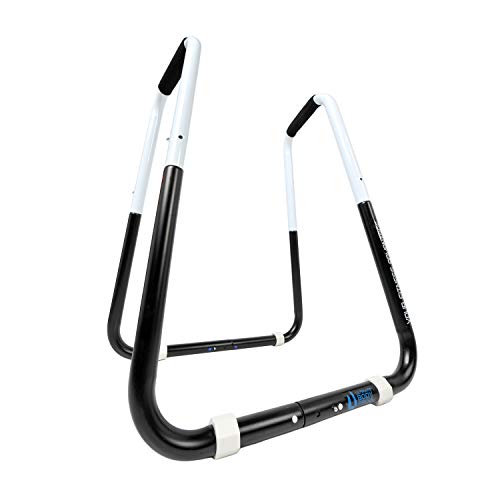
Understanding the differences is crucial. Doorway bars are the most popular for their easy installation and space-saving design. Wall-mounted bars offer more stability and grip variations but require drilling. Ceiling-mounted bars are ideal for high ceilings and serious athletes. Free-standing bars provide a portable, no-drill option but take up floor space.
How to Choose the Right Pull Up Bar
Consider Your Space
Measure your doorway or wall space. Doorway bars need a standard width of 26 to 32 inches. Wall-mounted bars require a clear wall area. Ceiling-mounted bars need adequate headroom. Free-standing bars need a footprint of about 4 by 4 feet.
Weight Capacity and Build Quality
Look for a bar that supports your body weight plus any additional load. Steel frames are durable, but check the gauge. Thicker steel (like 12-gauge) is more robust. Also, consider the grip material: foam or rubber grips reduce hand fatigue.
Grip Variations
Multiple grip positions allow you to target different muscles. Wide grip focuses on the lats, while neutral grip engages the biceps and forearms. Some bars offer rotating grips for added challenge.
Common Mistakes to Avoid
- Ignoring weight capacity: Always check the limit and add a safety margin.
- Poor installation: Follow instructions carefully. A loose bar can cause injury.
- Choosing the wrong type: A doorway bar may not suit heavy weighted pull ups. Consider your training goals.
- Overlooking wall studs: For wall-mounted bars, you must anchor into studs for safety.
- Skipping protective padding: Prevent damage to door frames and walls.
Installation Tips
For doorway bars, ensure the brackets sit flush against the frame. For wall-mounted bars, use a stud finder and a level. If you are not confident, hire a professional. For ceiling-mounted bars, verify the ceiling structure can support the load.
Frequently Asked Questions
Are pull up bars worth it?
Yes, they are one of the most effective pieces of equipment for upper body strength. They are compact, affordable, and versatile.
Can I use a pull up bar if I am a beginner?
Absolutely. Start with assisted pull ups using a resistance band or a chair. Many bars have multiple grip options to progress gradually.
How do I maintain my pull up bar?
Wipe down the bar after use to remove sweat. Check for loose screws or bolts periodically. For foam grips, replace if they wear out.
What is the difference between a doorway and a wall-mounted bar?
A doorway bar fits into a door frame without tools, while a wall-mounted bar is permanently attached to a wall, offering more stability and grip options.
Can I do other exercises with a pull up bar?
Yes, you can do hanging leg raises, knee tucks, and even some core exercises. Some bars have attachments for rings or resistance bands.
Our Top Picks Explained
Our top pick, the ProSource Fitness Multi-Grip, stands out for its balance of price, durability, and versatility. The Tumbl Trak is a wall-mounted beast for serious lifters. The Rogue P-6 is the ceiling-mounted choice for CrossFit athletes. The Ultimate Body Press offers a free-standing alternative, and the Iron Gym is a budget-friendly doorway option.
Final Verdict
Choose based on your space, budget, and training intensity. For most home users, a doorway bar is sufficient. If you have a dedicated gym area, invest in a wall or ceiling mount. Whatever you pick, a pull up bar will elevate your home workouts.