The Amazon Basics Cast Iron Kettlebell is a single fixed weight bell aimed at home strength and conditioning. This is an editorial overview built only from the current Amazon listing and published specifications, not a hands on review, so the goal is to lay out exactly what the product page states, what it leaves unstated, and what you should confirm for yourself before you buy. The specific version covered here is the 35 pound black model described with a wide handle and a comfortable grip.
What it is
A kettlebell is a ball of weight with a single looped handle on top. That shape puts the load slightly below and outside your grip, which is what makes it suited to swinging and ballistic style movements as well as more static holds. This particular bell is part of the Amazon Basics house brand line, and the listing describes it as cast iron. Cast iron fixed kettlebells are a single solid piece of metal with no moving parts, so there is nothing to adjust, unlock, or recalibrate. You pick a weight, and that is the weight you train with.
The model on this page is listed at 35 pounds. That matters, because this bell is sold across several different weights under very similar names and photos. Before you add anything to your cart, read the weight field on the listing carefully and make sure the number matches the one you actually want. A kettlebell that is too heavy to control, or too light to challenge you, is the most common reason people are disappointed with an otherwise fine piece of equipment, and the fix is simply to confirm the number before buying rather than after.
Key features
Working only from what the listing itself states, the headline details for this model are a cast iron body, a stated weight of 35 pounds, a wide handle paired with a comfortable grip, and a black finish. Those are the points the product page actually commits to, and they are the points this overview treats as confirmed.
Two things people often expect from a kettlebell are not spelled out in this particular listing title, so this overview will not assert them. The first is the coating. Many cast iron kettlebells carry a vinyl or an enamel coating, but the listing covered here does not name a specific finish beyond the color, so you should look at the current product page and its images to see whether a coating is described. The second is a flat base. A flat bottom lets a bell stand upright on the floor without rolling and is useful for renegade rows and similar moves, but again it is worth confirming on the live listing rather than assuming it.
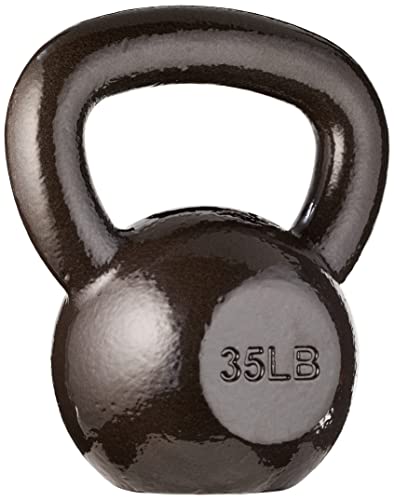
Amazon Basics Cast Iron Kettlebell for Strength Training, Wide Handle with Comfortable Grip, 35 Pounds, Black
A fixed weight cast iron kettlebell listed at 35 pounds, with a wide handle and comfortable grip, finished in black.
Check price on AmazonWho it is for
A single fixed cast iron bell like this one fits people who train at home and want one dependable tool for the classic kettlebell movements. Two handed swings, goblet squats, front squats, deadlifts, cleans, presses, and general strength and conditioning circuits are all natural fits for a bell of this style. If your routine is built around a handful of compound movements rather than fine grained weight jumps, a fixed bell keeps things simple.
On the weight itself, 35 pounds is a moderate to fairly substantial load for many people, especially for pressing and overhead work, while it can feel lighter for experienced lifters doing heavy swings or lower body work. There is no single right answer here. The sensible approach is to choose a weight you can move with controlled, honest form for the exercises you plan to do most, rather than the heaviest number you can lift once. If you are newer to kettlebell training, it is worth being conservative with your first bell and building from there.
Strengths on paper
The clearest strength of a one piece cast iron bell is durability. With no moving parts, no pins, and no adjustment mechanism, there is simply less that can loosen or fail over time, which is part of why cast iron has stayed popular for this kind of equipment. The listing also calls out a wide handle, which on paper gives room for a two handed grip on swings and leaves space for chalk or thicker hands. The comfortable grip language points at the handle finish, though how it actually feels is something you can only judge in person.
The fixed weight design is itself a strength for the right user. There is nothing to set up, so the bell is ready the moment you pick it up, and the simplicity means the experience is predictable session after session. As a house brand item, it is also positioned as a value oriented option, which can make it an approachable way to add a kettlebell to a home setup. This overview does not quote any figure, so treat value as a point to judge against the current listing yourself.
Things to check
Because this overview is based on the listing rather than first hand use, here is a focused checklist to run through on the live product page before you decide. Confirm the exact weight, since this model is the 35 pound version and the same product family is sold in other weights. Confirm that the body is cast iron if solid construction matters to you. Check whether a coating, such as vinyl or enamel, is actually described, because this listing does not name a specific finish beyond the color. Look for whether a flat base is mentioned if you want the bell to stand upright without rolling. Read the handle details for width and grip, and check the images and any customer photos to get a feel for the finish.
On the training side, treat the equipment responsibly. Use proper technique for every lift, start with a weight you can manage comfortably, and give yourself clear floor space so a swing has nowhere to catch. Kettlebell work, swings in particular, loads the hips, back, and shoulders, so if you are new to the movements or you are returning from an injury, it is wise to consult a qualified fitness professional or a suitable health professional before you begin. This overview makes no medical claims and no promises about results or safety. Finally, remember that specifications, variants, and availability change, so verify every detail on the current listing at the time you buy.
How it compares
The most useful comparison for most buyers is a fixed cast iron kettlebell, like this one, against an adjustable kettlebell. A fixed bell is one solid weight. Its appeal is simplicity and durability, nothing to break or reset, and it is ready to use instantly, which makes it a clean choice when you already know the single weight you want. The trade off is obvious: one bell is one load, so progressing across a wide range means buying more bells and finding somewhere to store them.
An adjustable kettlebell packs several weights into one unit by letting you add or remove load, which saves floor space and covers a range of exercises from one purchase. The trade offs are that adjustable designs introduce a mechanism that can wear or rattle, they typically cost more than a single fixed bell, and changing the weight takes a few seconds rather than being instant. Neither is simply better. If you value ruggedness and know your weight, a fixed cast iron bell is the straightforward pick. If you want to grow across many loads in a tight space, an adjustable model may earn its keep. This comparison is framed by type only and does not endorse any specific competing product.
Verdict
On paper, the Amazon Basics Cast Iron Kettlebell reads like a sensible, no frills choice for home strength and conditioning: a solid cast iron body, a wide handle with a comfortable grip, and a clearly stated 35 pound weight for this particular model, all from a familiar house brand. The honest caveats are that this listing does not spell out a coating finish or a flat base, and that this overview is editorial rather than hands on, so those details and the current specifications are worth confirming directly. If a single dependable fixed bell at this weight fits your plan, it is a reasonable candidate, and you can check the current listing to confirm the weight, finish, handle, and other details for yourself.
This is an editorial overview compiled from the current Amazon listing and published specifications, not a hands on or first hand review; we have not personally tested or used this product. ProductPickly may earn a commission from qualifying purchases made through links on this page.