Smart Air Quality Monitors
Best Smart Air Quality Monitors for Your Home
7 picks compared
10 min read
ProductPickly is reader-supported. When you buy through links on our site, we may earn an affiliate commission at no extra cost to you. It never changes our picks.
The short answerThe best smart air quality monitor overall is the GoveeLife H5106, which tracks PM2.5, temperature, and humidity with a clear display and app history. For Alexa homes the Amazon monitor is the pick, and for CO safety choose a combined unit like the Kidde, since a plain monitor is not a CO alarm.
?How we pickedWe compare published specifications, safety certifications and thousands of verified owner reviews, and we do not physically test every unit. Read the full process in our review methodology.
GoveeLife Smart Air Quality Monitor H5106
★★★★★ 4.5 / 5 Best overall
A compact monitor with a clear LED display and app that tracks PM2.5, temperature, and humidity in real time. It gives the most useful everyday readings with history and alerts, which makes it the best all-round pick.
Measures PM2.5, temp, humidityDisplay LED screenApp Wi-Fi, historyBest for Everyday monitoring
- Clear live PM2.5 readout
- App history and alerts
- Compact and affordable
- No CO2 sensor
- Needs Wi-Fi for app
Best for: Tracking everyday air quality
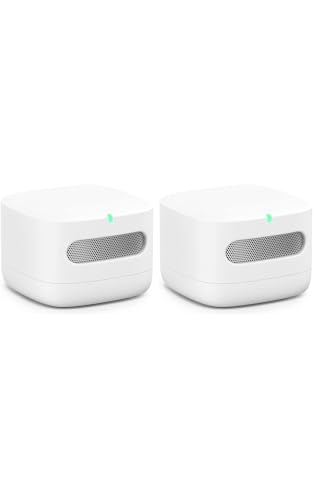
Amazon Smart Air Quality Monitor
★★★★★ 4.4 / 5 Best for Alexa homes
A simple monitor that reports air quality through Alexa and the Alexa app, ideal if your home already runs on Echo devices. It ties air data into routines and voice queries with no extra ecosystem to learn.
Measures PM2.5, VOCs, humidityEcosystem AlexaAlerts App and voiceBest for Echo households
- Deep Alexa integration
- Voice and routine alerts
- Easy setup
- No onboard screen
- Alexa-focused
Best for: Alexa smart homes
GoveeLife CO2 Detector H5140
★★★★★ 4.5 / 5 Best for CO2
A monitor built around a CO2 sensor with a display, useful for stuffy offices and bedrooms where carbon dioxide builds up. High CO2 causes drowsiness, and this shows when it is time to open a window.
Measures CO2, temp, humidityDisplay ScreenApp YesBest for Offices, bedrooms
- Dedicated CO2 sensor
- Good for stuffy rooms
- App tracking
- CO2 focus over particulates
- Ventilate to reset readings
Best for: Monitoring CO2 buildup
ZEMEOLLO 10-in-1 Air Quality Monitor
★★★★★ 4.3 / 5 Best multi-sensor value
A budget monitor that packs many sensors into one device for people who want as many readings as possible cheaply. A broad snapshot of your air without buying several gadgets.
Measures 10-in-1 sensorsDisplay ScreenPrice BudgetBest for Broad monitoring
- Many readings in one unit
- Low price
- Onboard display
- Consumer-grade accuracy
- Busy interface
Best for: Lots of data cheaply
Kidde Smart CO Detector + Air Quality
★★★★★ 4.5 / 5 Best safety combo
A plug-in that combines a life-safety carbon monoxide alarm with indoor air quality monitoring. It covers both the dangerous gas you must be warned about and everyday air data in one device.
Measures CO + air qualityPower Plug-in + AA backupSafety CO alarmBest for Safety plus monitoring
- Real CO life-safety alarm
- Air quality monitoring too
- Battery backup
- Pricier than plain monitors
- Plug placement matters
Best for: Combining safety and monitoring
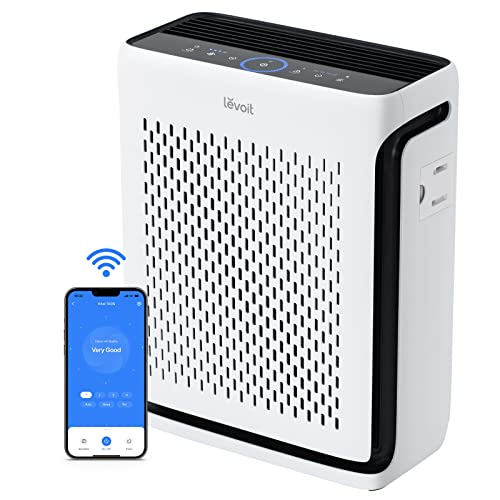
LEVOIT Core Air Purifier
★★★★★ 4.7 / 5 Best purifier to pair
A popular HEPA purifier for bedrooms and dorms, the natural next step once a monitor shows your air needs cleaning. Monitoring tells you there is a problem; a purifier fixes it.
Type HEPA purifierRoom Bedroom, dormFilter Washable pre-filterBest for Acting on readings
- Effective HEPA filtration
- Quiet for bedrooms
- Trusted Levoit line
- Replacement filters cost
- Sized for smaller rooms
Best for: Cleaning the air you measure
LEVOIT Air Purifier for Allergies & Pets
★★★★★ 4.7 / 5 Best for allergies
A HEPA purifier aimed at pet hair, dander, and allergens, for homes where the monitor keeps flagging particulates. The pick when allergies or pets are the reason you started measuring air quality.
Type HEPA purifierTargets Dander, allergens, smokeRoom Living spacesBest for Allergy and pet homes
- Strong on allergens and dander
- Good coverage
- Reliable brand
- Filters are consumable
- Runs louder on high
Best for: Allergy and pet households
Smart air quality devices split into two jobs: monitors that tell you what is in your air, and purifiers that clean it. The best setup for most homes is a monitor to find the problem and a purifier to fix it. Below, the top monitors plus the purifiers worth pairing with them.
What to measure, and why
Most monitors track PM2.5 particulate pollution, temperature, and humidity, and the better ones add VOCs or CO2. PM2.5 is the headline number for dust, smoke, and allergens, while CO2 reveals how stuffy and under-ventilated a room is, which affects concentration and sleep. Decide which readings you actually care about before buying, because a monitor built around CO2 is a different tool from one focused on particulates.
Monitor first, then purify
A monitor and a purifier solve different halves of the problem. The monitor shows what is in your air and when it changes; the purifier removes it. A sensible path is to place a monitor in the room you use most, learn where and when your air is worst, then add a HEPA purifier there. Afterwards the monitor doubles as proof the purifier is doing its job.
Do not confuse monitoring with CO safety
This matters: an ordinary air quality monitor is not a carbon monoxide alarm and will not reliably warn you of that dangerous gas. For CO safety you need a certified CO alarm, or a combined device like the Kidde that pairs a real CO alarm with air monitoring. Keep your life-safety CO and smoke alarms regardless of any air quality gadget you add.
Smart features and placement
Onboard screens give instant readings, while app connectivity adds history, trends, and phone alerts, and ecosystem models like the Alexa monitor fold air data into routines. Wherever the data goes, placement decides its value: set the monitor at breathing height in a room you use, away from windows, vents, and the stove, and leave it in a consistent spot so its trends stay comparable over time.
Questions people ask
What does a smart air quality monitor measure?
Most track fine particulate matter (PM2.5), temperature, and humidity, and better models add VOCs or CO2. PM2.5 is the key pollution figure for dust, smoke, and allergens, while CO2 indicates how stuffy and poorly ventilated a room is. Check which sensors a monitor includes, since not all measure the same things.
Do I need a monitor, a purifier, or both?
They do different jobs. A monitor tells you what is in your air and when it changes; a purifier actually cleans it. Many people start with a monitor to find out whether they have a problem, then add a purifier where the readings are worst. Together, the monitor confirms the purifier is working.
What is a good PM2.5 reading indoors?
Lower is better. Readings in the low single digits to the low tens of micrograms per cubic metre are generally considered good indoor air, while sustained higher numbers suggest you should ventilate or run a purifier. Use your monitor's own colour scale as a guide, and watch for spikes when cooking or during wildfire smoke.
Why should I care about CO2 indoors?
Carbon dioxide builds up in closed rooms full of people and causes drowsiness and poor concentration well before it is dangerous. A CO2 monitor like the GoveeLife H5140 shows when a room needs fresh air, which is especially useful in offices, classrooms, and bedrooms. The fix is simple: open a window or improve ventilation.
Is an air quality monitor the same as a carbon monoxide alarm?
No, and this is important. A standard air quality monitor is not a life-safety device and will not reliably warn you of dangerous carbon monoxide. For CO safety you need a certified CO alarm, or a combined unit like the Kidde that includes a real CO alarm alongside air quality monitoring. Never rely on a plain monitor for CO safety.
Do smart air monitors need Wi-Fi?
Many show live readings on an onboard screen without Wi-Fi, but connecting to an app unlocks history, trends, and alerts on your phone. Models tied to a smart home, like the Amazon monitor with Alexa, need the ecosystem to be useful. Decide whether you want standalone readings or app tracking before buying.
How accurate are consumer air quality monitors?
They are good enough to spot trends, compare rooms, and see when air worsens, which is what most people need. They are not laboratory instruments, so treat exact numbers as indicative rather than certified. Comparing readings over time in the same spot is more meaningful than any single absolute figure.
Where should I place an air quality monitor?
Put it at breathing height in the room you use most, away from open windows, vents, and the stove, which would skew readings. For CO2, place it where people spend time, not in a corner. Keep it in a consistent spot so the trends it records are comparable day to day.
The bottom lineSo which one?
Start with the GoveeLife H5106 to see what is in your air, add a LEVOIT purifier where readings are worst, and use a Kidde combined unit for real CO safety. Match the sensors to what you actually want to track.