Reader-supported: we earn a commission on some links, at no extra cost to you. It never changes our picks. How this works
External Hard Drives

Best External Hard Drives for Every Budget

ProductPickly is reader-supported. When you buy through links on our site, we may earn an affiliate commission at no extra cost to you. It never changes our picks.

The short answer

The SanDisk Extreme Portable SSD is our top pick for most people. It offers blazing-fast NVMe speeds, rugged durability, and a compact design at a fair price. For budget-conscious buyers, the WD My Passport delivers reliable HDD storage at a low cost per terabyte.

?
How we picked

We compare published specifications, safety certifications and thousands of verified owner reviews, and we do not physically test every unit. Read the full process in our review methodology.

At a glance

ModelBest forKey specScore
SanDisk Extreme Portable SSDPortable speed1TB NVMe SSD, 1050MB/s4.8
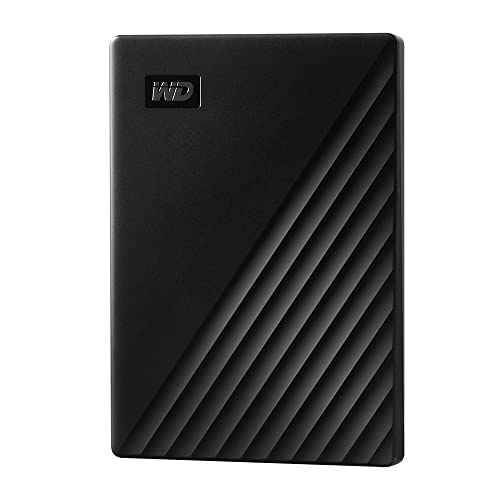
WD My PassportBudget backup2TB HDD, 5Gbps USB4.5
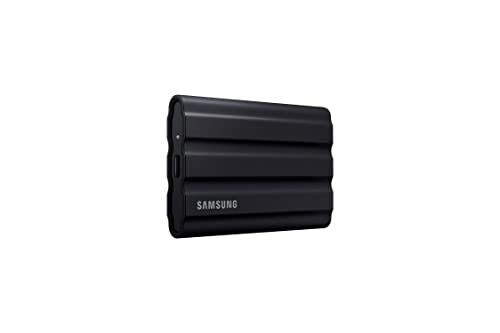
Samsung T7 ShieldRugged use1TB SSD, IP654.7
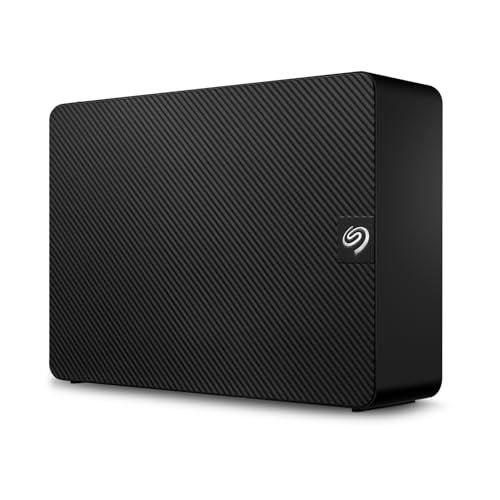
Seagate Expansion DesktopLarge capacity8TB HDD, 3.5 inch4.4
WD Black P10 Game DriveGaming4TB HDD, portable4.6
BEST
OVERALL
1
SanDisk Extreme Portable SSD
★★★★★ 4.8 / 5 Best overall
Check price on Amazon

The SanDisk Extreme Portable SSD delivers NVMe speeds up to 1050MB/s, making it ideal for transferring large files, editing video, or gaming on the go. Its rugged aluminum and silicone body is IP65 water and dust resistant, and it comes with a 5-year warranty.

Capacity 1TB (also 2TB, 4TB)Interface USB 3.2 Gen 2 (10Gbps)Read speed Up to 1050 MB/sDurability IP65, drop-proof up to 2m
  • Blazing fast NVMe performance
  • Rugged and portable design
  • Compact and lightweight
  • 5-year warranty
  • Pricier than HDDs
  • Can get warm under heavy load
Best for: Creative professionals, frequent travelers, and anyone who needs fast, reliable portable storage.
Buy it if: Buy this if you work with large video files, need quick backups, or want a drive that can survive drops and splashes.
Skip it if: Avoid if you need massive capacity at the lowest cost per terabyte, as SSDs are still more expensive than HDDs.
Alternative to consider: Samsung T7 Shield
2
WD My Passport
WD My Passport
★★★★★ 4.5 / 5 Best budget
Check price on Amazon

The WD My Passport is a reliable portable HDD that offers up to 5TB of storage at an affordable price. It features hardware encryption, automatic backup software, and a sleek design that fits in your pocket.

Capacity 1TB, 2TB, 4TB, 5TBInterface USB 3.2 Gen 1 (5Gbps)Rotational speed 5400 RPMSecurity 256-bit AES hardware encryption
  • Low cost per gigabyte
  • Hardware encryption
  • Automatic backup software
  • Multiple color options
  • Slower than SSDs
  • Not as durable as rugged drives
Best for: Budget-conscious users who need large storage for backups, documents, and media libraries.
Buy it if: Buy this if you want a dependable portable drive for everyday backups and file storage without breaking the bank.
Skip it if: Avoid if you need fast transfer speeds for video editing or gaming, as HDDs are much slower than SSDs.
Alternative to consider: Toshiba Canvio Basics
3
Samsung T7 Shield
Samsung T7 Shield
★★★★★ 4.7 / 5 Best rugged
Check price on Amazon

The Samsung T7 Shield is a rugged portable SSD with IP65 water and dust resistance, plus a shock-resistant design that can withstand drops from 3 meters. It offers fast USB 3.2 Gen 2 speeds and comes in a range of capacities.

Capacity 1TB, 2TB, 4TBInterface USB 3.2 Gen 2 (10Gbps)Read speed Up to 1050 MB/sDurability IP65, drop-proof up to 3m
  • Excellent ruggedness
  • Fast performance
  • Compact and lightweight
  • 3-year warranty
  • Slightly more expensive than non-rugged SSDs
  • No hardware encryption
Best for: Outdoor enthusiasts, field workers, and anyone who needs a drive that can handle harsh conditions.
Buy it if: Buy this if you often work in dusty, wet, or unpredictable environments and need a fast, durable drive.
Skip it if: Avoid if you need maximum security features like hardware encryption, as the T7 Shield lacks that.
Alternative to consider: LaCie Rugged SSD Pro
4
Seagate Expansion Desktop
★★★★ 4.4 / 5 Best desktop
Check price on Amazon

The Seagate Expansion Desktop is a high-capacity external HDD designed for stationary use. With capacities up to 18TB, it provides ample space for backups, media libraries, and large project archives. It plugs into a wall outlet and connects via USB 3.2 Gen 1.

Capacity 8TB, 10TB, 12TB, 14TB, 16TB, 18TBInterface USB 3.2 Gen 1 (5Gbps)Form factor 3.5 inch desktopPower AC adapter included
  • Massive capacity options
  • Low cost per terabyte
  • Simple plug-and-play setup
  • Good for long-term storage
  • Requires external power
  • Bulky and not portable
  • Slower than SSDs
Best for: Users who need to store huge amounts of data at home or in the office, such as media collections, backups, and archives.
Buy it if: Buy this if you need a reliable, high-capacity drive for your desk and don't need portability.
Skip it if: Avoid if you travel frequently or need a drive that runs without a power outlet.
Alternative to consider: WD My Book
5
WD Black P10 Game Drive
★★★★★ 4.6 / 5 Best for gaming
Check price on Amazon

The WD Black P10 Game Drive is a portable HDD designed specifically for gamers. It offers up to 5TB of storage to expand your console or PC library, and its rugged design with a black finish matches gaming setups. It uses USB 3.2 Gen 1 for fast data transfer.

Capacity 1TB, 2TB, 4TB, 5TBInterface USB 3.2 Gen 1 (5Gbps)Form factor Portable 2.5 inchCompatibility PS4, PS5, Xbox, PC
  • Gaming-focused design
  • Large capacity options
  • Durable build
  • Plug-and-play with consoles
  • HDD speeds are slower than SSDs
  • No encryption
Best for: Gamers who need extra storage for their game libraries and want a portable drive that works with consoles and PCs.
Buy it if: Buy this if you're running out of space on your console or PC and want a dedicated drive for games.
Skip it if: Avoid if you need the fastest load times for next-gen games, as an SSD is better for that.
Alternative to consider: Samsung T7 Portable SSD

External hard drives are essential for expanding storage, backing up precious files, and keeping your system clutter-free. With so many options on the market, choosing the right one can be overwhelming. Our editorial team compared specifications, buyer feedback, and key decision factors to bring you this guide to the best external hard drives for every budget and use case.

How to Choose the Right External Hard Drive

Before you buy, consider these factors to ensure you get the drive that fits your needs.

HDD vs. SSD: Which is Right for You?

Hard disk drives (HDDs) use spinning platters to store data. They offer large capacities at low prices, making them ideal for bulk storage and backups. However, they are slower, more fragile, and consume more power. Solid state drives (SSDs) use flash memory, providing faster speeds, better durability, and silent operation. They cost more per gigabyte, but the performance boost is worth it for many users.

Capacity Considerations

Think about how much data you need to store. For everyday documents and photos, 1TB is often sufficient. For video editing, gaming, or large media libraries, consider 2TB to 4TB or more. Remember that some space is lost to formatting, so a 1TB drive offers around 931GB of usable space.

Portability and Durability

If you travel frequently, a compact portable drive is a must. Look for rugged features like IP ratings for water and dust resistance, and shock resistance. Desktop drives are larger and require a power outlet, but they offer higher capacities and lower cost per terabyte.

Connection Interface

Most modern drives use USB 3.0 or USB 3.2, which are backward compatible. USB 3.2 Gen 2 offers faster speeds (up to 10Gbps) and is ideal for SSDs. For the fastest performance, consider Thunderbolt 3 or 4, but these are more expensive and less common.

Security Features

If you store sensitive data, look for drives with hardware encryption (like 256-bit AES) and password protection. Some drives also include software for automatic backups, which can add convenience.

Common Mistakes to Avoid When Buying an External Drive

Many buyers make these errors. Avoid them to get the best value.

Ignoring Speed Ratings

Don't assume all drives are the same speed. HDDs typically transfer data at 100-200 MB/s, while SSDs can reach 1000 MB/s or more. If you work with large files, the speed difference is noticeable. Check the read and write speeds before purchasing.

Overlooking Compatibility

Ensure the drive works with your devices. For example, some drives are formatted for Windows only and need reformatting for Mac. Also, check if your console supports external storage and the file system requirements.

Buying More Capacity Than You Need

It's tempting to buy the largest drive, but if you only need 1TB, a 4TB drive may be overkill and cost more. However, if you plan to grow your data, a larger drive can be a good investment. Balance cost with future needs.

Neglecting Backup Strategy

An external drive is not a permanent backup solution. Use it as part of a 3-2-1 backup strategy: three copies of your data, on two different media, with one offsite. Regularly sync your drive to avoid data loss.

Not Checking Warranty and Support

Look for a drive with a solid warranty (usually 2-5 years) and reputable customer support. A longer warranty can provide peace of mind, especially for expensive SSDs.

Our Top Picks Explained

We've selected five drives that stand out in their categories. Each pick is based on a balance of performance, reliability, and value.

  • Best overall: SanDisk Extreme Portable SSD for its speed and durability.
  • Best budget: WD My Passport for its low cost and large capacity.
  • Best rugged: Samsung T7 Shield for its IP65 rating and drop resistance.
  • Best desktop: Seagate Expansion Desktop for its massive capacity options.
  • Best for gaming: WD Black P10 Game Drive for its gaming-centric design.

For a quick comparison, refer to the table above. Each drive has its strengths, so choose based on your primary use case.

Frequently Asked Questions

We've answered common questions to help you decide.

What is the best external hard drive for a Mac?

Most external drives work with Mac, but you may need to reformat them to APFS or HFS+. The SanDisk Extreme Portable SSD and Samsung T7 Shield are excellent choices for Mac users due to their fast speeds and compact design. Some drives come preformatted for Mac, like the LaCie Rugged series.

Can I use an external hard drive for both Windows and Mac?

Yes, but you'll need to format the drive as exFAT, which is compatible with both operating systems. Note that exFAT doesn't support some advanced features like file permissions, but it works well for general storage.

How long do external hard drives last?

The lifespan varies. HDDs typically last 3-5 years with normal use, while SSDs can last longer, often 5-10 years, depending on write cycles. However, all drives can fail unexpectedly, so regular backups are essential.

Are external SSDs worth the extra cost?

If you value speed and durability, yes. External SSDs are significantly faster than HDDs, making them ideal for video editing, large file transfers, and running applications. They also have no moving parts, so they're more resistant to drops and shocks. For basic backups, an HDD is more cost-effective.

What is the best way to back up my computer?

Use a combination of methods: an external drive for local backups, a cloud service for offsite backups, and possibly a NAS for network storage. Schedule automatic backups to ensure your data is always protected.

Final Thoughts

Choosing the best external hard drive depends on your specific needs. Whether you prioritize speed, capacity, durability, or price, there's a drive on our list for you. Remember to consider the factors we've outlined and avoid common mistakes. Happy storing!

Questions people ask

What is the difference between an external HDD and an SSD?

HDDs use spinning magnetic disks to store data, offering large capacities at lower cost but with slower read/write speeds and moving parts that can fail. SSDs use flash memory with no moving parts, making them faster, more durable, and quieter, but they cost more per gigabyte. For everyday backups, an HDD is often sufficient; for heavy file transfers or gaming, an SSD is better.

How much storage do I need in an external drive?

It depends on your use. For documents and photos, 1TB is usually plenty. For video editing or gaming, consider 2TB or more. If you're backing up an entire computer or storing a large media library, 4TB or higher is recommended. Remember that some capacity is used for formatting and system files, so actual usable space is slightly less than the advertised size.

Can I use an external hard drive with my gaming console?

Yes, most modern consoles like PS4, PS5, Xbox One, and Xbox Series X/S support external drives for storing games. For PS5, you can play PS4 games directly from an external drive, but PS5 games must be moved to the internal SSD to play. Xbox consoles can run games directly from an external USB 3.0 drive, but for optimal performance, an SSD is recommended.

How do I keep my external hard drive safe from data loss?

Always eject the drive safely before unplugging it to prevent corruption. Avoid exposing it to extreme temperatures, moisture, or physical shocks. Use a surge protector if it's a desktop drive. Regularly back up your data to another location, and consider using a drive with hardware encryption for sensitive files.

What does USB 3.2 Gen 1 mean?

USB 3.2 Gen 1 is the new name for USB 3.0, offering data transfer speeds up to 5 Gbps. It's the most common USB standard for external drives. USB 3.2 Gen 2 doubles that to 10 Gbps, and USB 3.2 Gen 2x2 reaches 20 Gbps. For most users, Gen 1 is sufficient, but if you transfer large files frequently, a Gen 2 drive can save time.

The bottom line

So which one?

The SanDisk Extreme Portable SSD is our top pick for its perfect balance of speed, durability, and price. For budget buyers, the WD My Passport offers reliable storage at a low cost. If you need ruggedness, the Samsung T7 Shield is excellent. For massive desktop storage, the Seagate Expansion Desktop is a solid choice, and gamers should consider the WD Black P10. Ultimately, your choice depends on your priorities: speed, capacity, durability, or budget.

More in this topic

More in External Hard Drives

See the full guide →