Polarizing Filters
Best Polarizing Filters: Our Circular Polarizer Picks for Camera Lenses
6 picks compared
7 min read
ProductPickly is reader-supported. When you buy through links on our site, we may earn an affiliate commission at no extra cost to you. It never changes our picks.
The short answerA polarizing filter, or CPL, screws or snaps onto the front of a lens and cuts glare and reflections, tames haze and can deepen a blue sky as you rotate it. Our overall pick is the NiSi JetMag Pro 82 True Color magnetic CPL for its neutral-color glass and quick magnetic swaps. The Tiffen circular polarizers in 77mm, 58mm and 52mm are the dependable screw-in route, the Altura Photo kit adds UV and ND filters alongside a polarizer, and the K&F Concept filter combines a variable ND with a polarizing effect in one. The single most important step is matching the filter to your lens thread size.
?How we pickedWe compare published specifications, safety certifications and thousands of verified owner reviews, and we do not physically test every unit. Read the full process in our review methodology.
NiSi JetMag Pro 82MAG True Color CPL Magnetic Circular Polarizing Filter
★★★★★ 4.7 / 5 Editor's pick
This is the premium option here, a magnetic circular polarizer that the listing calls a True Color CPL so colors stay neutral when you cut glare. It uses NiSi's 82MAG magnetic mount for a quick snap-on swap rather than a screw thread.
- True Color glass aims to keep colors neutral
- Magnetic mount snaps on and off fast
- Large 82mm size suits pro zoom lenses
- Needs the 82MAG magnetic system to mount
- One 82mm size only, not a universal thread
Best for: A photographer who wants neutral-color glass and fast magnetic swaps
Tiffen 77mm CPL Circular Polarizing Filter, Reduces Glare and Reflections
★★★★★ 4.6 / 5 Large thread pick
Tiffen's classic screw-in circular polarizer in a 77mm thread, the size many pro standard zooms and wide lenses use. The listing is plain about the job, it reduces glare and reflections and deepens skies as you rotate it.
- Fits the common 77mm pro lens thread
- Long-standing, widely available CPL line
- Simple screw-in that rotates to tune the effect
- Coating is not stated in the listing
- Fits 77mm threads only, so check your lens
Best for: Larger pro zooms and wide lenses with a 77mm front thread
Tiffen 58mm CPL Circular Polarizing Filter, Reduces Glare and Reflections
★★★★★ 4.5 / 5 Common size pick
The same Tiffen circular polarizer in a 58mm thread, one of the most common sizes on kit zooms and prime lenses. It screws onto the front of the lens and rotates to cut reflections and darken a blue sky.
- 58mm is a very common everyday lens thread
- Screw-in design that rotates to set the effect
- Trusted, easy-to-find CPL line
- Coating is not stated in the listing
- Fits 58mm threads only, so confirm your lens
Best for: Everyday kit zooms and primes that use a 58mm thread
Altura Photo 58mm Camera Lens Filter Kit with UV, CPL and ND and a Case
★★★★★ 4.4 / 5 Best kit
If you want more than a polarizer, this Altura Photo kit bundles a UV, a circular polarizer and an ND filter in a 58mm thread with a carry case. The CPL is one of three filters, so it is the flexible starter rather than a single dedicated polarizer.
- A circular polarizer plus UV and ND in one buy
- 58mm fits many common lenses
- Comes with a case to protect the filters
- CPL is part of a kit, not a standalone premium filter
- Fits 58mm threads only
Best for: A beginner who wants a polarizer plus UV and ND together for a 58mm lens
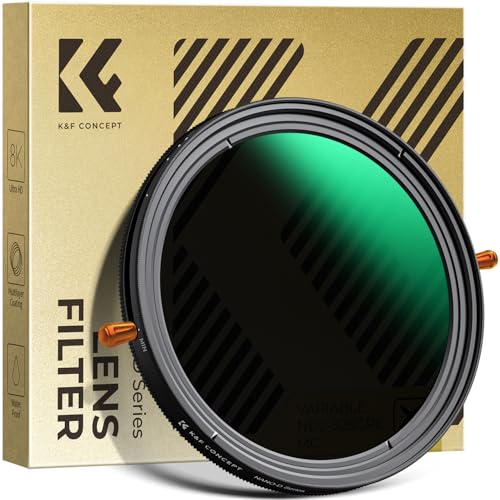
K&F Concept 82mm Variable ND2-32 and CPL 2-in-1 Lens Filter
★★★★★ 4.4 / 5 2-in-1 pick
This K&F Concept filter combines a variable ND2 to ND32 and a polarizing effect in one 82mm screw-in piece, so you can hold back light and cut glare without stacking two filters. It is the hybrid choice when you shoot bright scenes and want both jobs in a single filter.
- Variable ND and a polarizing effect in one filter
- Saves stacking a separate ND and CPL
- 82mm fits larger pro lenses
- A combined filter gives less dedicated CPL control
- Fits 82mm threads only
Best for: Bright-light shooting where you want ND and polarizing in a single 82mm filter
Tiffen 52mm CPL Circular Polarizing Filter, Reduces Glare and Reflections
★★★★★ 4.3 / 5 Budget pick
The smallest Tiffen thread in this group at 52mm, a size common on older primes and compact kit lenses. It is the simple, no-frills way to add a rotating circular polarizer to a smaller lens.
- 52mm suits many smaller primes and kit lenses
- Straightforward screw-in and rotate design
- Part of a trusted, widely sold CPL line
- Coating is not stated in the listing
- Fits 52mm threads only
Best for: Smaller primes and compact kit lenses with a 52mm thread
A polarizing filter, almost always a circular polarizer or CPL, is a filter you fit over the front of your lens and rotate to cut glare and reflections, tame haze and deepen a blue sky. The picks below are genuine CPL camera filters from the feed, and we list only the type, thread or mount, and any glass or coating detail each listing actually states. The one rule that matters most comes up again and again here, the filter has to match the thread size of your lens.
What a polarizer does to glare and sky
A circular polarizer blocks light coming in at certain angles, which is why it can wipe glare off water, glass and wet foliage, cut through haze, and make a blue sky look deeper and clouds pop. You turn the outer ring while looking through the viewfinder or screen and stop when the scene looks right, so a CPL is something you tune by eye rather than set once. The effect is strongest when you shoot at roughly ninety degrees to the sun and fades when you aim toward or away from it, and because a polarizer holds back light it typically costs you about one to two stops, which your camera makes up with a slower shutter or wider aperture.
Thread size and matching your lens
Before anything else, find your lens thread size. It is usually printed on the front ring of the lens or inside the lens cap, written as a diameter after a circle symbol, for example 58mm or 77mm. The screw-in picks here span 52mm, 58mm and 77mm in the Tiffen line and 82mm on the K&F Concept filter, and a filter only fits the thread it is made for, so a 58mm polarizer will not screw onto a 77mm lens. If you own several lenses with different threads you can buy a polarizer for each, or buy one for your largest lens and use step-up rings to fit it to the smaller ones. A magnetic system such as the NiSi 82MAG works the same way, you commit to one filter size and adapt your lenses to it.
Coatings and glass quality
Not all polarizers are equal, and the difference usually lives in the glass and its coatings. Higher-end filters market neutral, true-to-life color so the polarizer does not throw a color cast over the frame, and the NiSi JetMag Pro here states exactly that with its True Color CPL glass. Coatings also help resist flare, water and fingerprints on the outer surface. We only claim coatings a listing states, and the Tiffen filters in this group do not spell out a coating, so we leave that detail open rather than invent it. If color neutrality matters to you, weigh the glass each listing describes rather than assuming every polarizer renders color the same way.
Slim versus standard, and magnetic mounts
The last choice is how the filter mounts and how thick it is. Standard screw-in polarizers like the Tiffen picks are simple, affordable and work on any matching thread, which makes them the easy default for a single lens. On very wide lenses a thick filter ring can clip the corners of the frame, which is why slim designs exist, so on an ultra-wide check that the ring does not vignette. Magnetic filters such as the NiSi JetMag Pro snap on and off in a moment and are worth it if you swap filters constantly, at the cost of needing the magnetic mount. And if you want more than glare control, the Altura Photo kit pairs a polarizer with UV and ND filters, while the K&F Concept filter folds a variable ND and a polarizing effect into one piece for bright scenes.
Questions people ask
What does a polarizing filter actually do?
A circular polarizer, or CPL, blocks certain angles of reflected light. In practice that cuts glare off water, glass and wet leaves, tames haze, and can deepen a blue sky and boost color saturation. You rotate the filter while looking through the lens and stop when the effect looks right, so the result is something you dial in by eye rather than a fixed setting.
How do I know which thread size to buy?
Match the filter to the thread diameter of your lens, not to the camera. The number is usually printed on the front of the lens or inside the lens cap after a diameter symbol, for example 58mm or 77mm. The picks here span 52mm, 58mm, 77mm and 82mm, so check your lens first and buy the size that matches, since a 58mm filter will not screw onto a 77mm lens.
What if my lenses have different thread sizes?
You have two common options. You can buy one polarizer for each thread size, or buy a filter to fit your largest lens and use step-up rings to fit it to smaller lenses. A magnetic system like the NiSi 82MAG pick works the same way, you settle on one filter size and adapt your lenses to it rather than owning many filters.
Is a circular polarizer the same as a UV or ND filter?
No. A circular polarizer cuts glare and reflections and deepens skies, a UV filter is mainly a clear protective filter, and a neutral density, or ND, filter darkens the whole scene so you can use slower shutter speeds. The Altura Photo kit here bundles all three, and the K&F Concept filter combines a variable ND with a polarizing effect in one piece.
Why do some filters cost more than others?
Price often tracks the glass and coatings. Higher-end filters market neutral, true-to-life color and multiple coatings to resist flare and smudges, while simpler filters keep it basic. We do not quote prices here, so compare the glass and coating details each listing states, such as the True Color glass noted on the NiSi pick, and weigh that against your lens and budget.
Will a polarizer make my photos darker?
Yes, a little. A circular polarizer typically reduces the light reaching the sensor by roughly one to two stops, so your camera will use a slower shutter or wider aperture to compensate. That light loss is normal and is part of why some shooters remove the polarizer in dim conditions, and why a combined ND plus CPL filter like the K&F pick exists for bright scenes.
Does a polarizer work in every situation?
Not equally. The effect is strongest when you shoot at roughly ninety degrees to the sun, which is why skies deepen unevenly on very wide lenses, and it does little when you point straight at or away from the sun. It also cannot remove reflections off bare metal. Treat it as a tool for glare, haze and saturation rather than a fix for every scene.
Screw-in or magnetic, which polarizer should I choose?
Screw-in filters like the Tiffen picks are simple, affordable and work on any matching thread. Magnetic filters like the NiSi JetMag Pro snap on and off quickly, which is handy if you swap filters a lot, but they rely on a magnetic mount or adapter. If you own one lens, a screw-in is the easy route, if you juggle filters often, a magnetic system can save time.
The bottom lineSo which one?
Choose by how you mount filters and the thread your lens uses. The NiSi JetMag Pro is the premium pick with True Color glass and a fast magnetic mount, while the Tiffen circular polarizers cover 77mm, 58mm and 52mm threads as the simple, trusted screw-in option. The Altura Photo kit is the value bundle that pairs a polarizer with UV and ND filters, and the K&F Concept filter is the 2-in-1 for bright scenes where you want ND and polarizing in one piece. Whichever you pick, confirm the thread size on the front of your lens first, because a polarizer only works if it fits.